#1
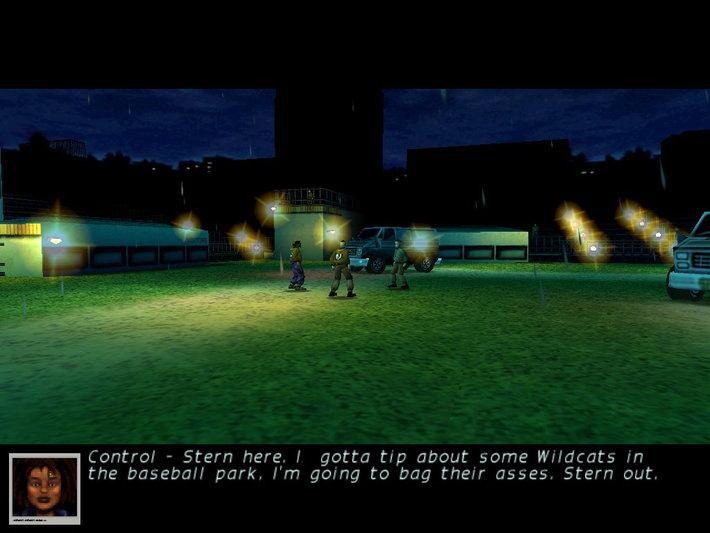
Urban Chaos
Released in 1999, Urban Chaos was an ambitious title that tried to blend open-world exploration with police action years before the genre truly hit its stride. It had a gritty, urban atmosphere, letting you navigate its city on foot or in vehicles, tackling street crime and gang warfare. Though clunky by today's standards, its attempt at a living, breathing urban environment and its focus on a female protagonist in a male-dominated genre were notable precursors to later design philosophies.
2 critics · 8 lists →
Play onGOG
#2
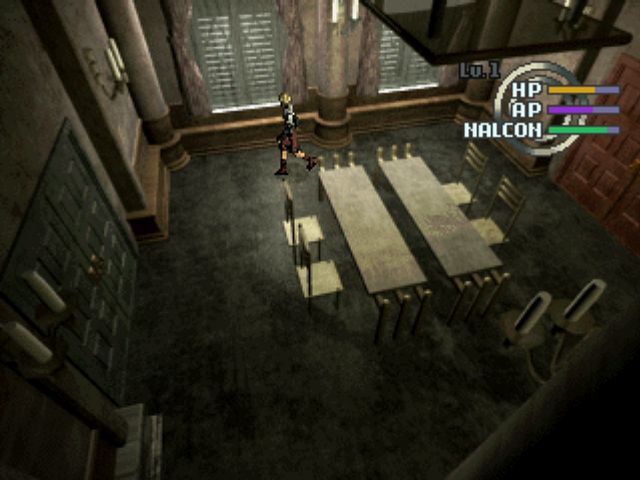
Galerians
This 1999 survival horror gem on the PlayStation offered a distinct, unsettling take on psychic powers in a dystopian future. You played as Rion, an amnesiac boy battling mutated humans with his mind. Its bleak narrative, grotesque creature design, and limited resources created a palpable sense of dread, forcing players to strategically manage Rion's dwindling sanity. Galerians, while often overlooked, contributed to the genre's psychological depth, proving horror could be cerebral as well as visceral.
2 critics · 5 lists →
#3
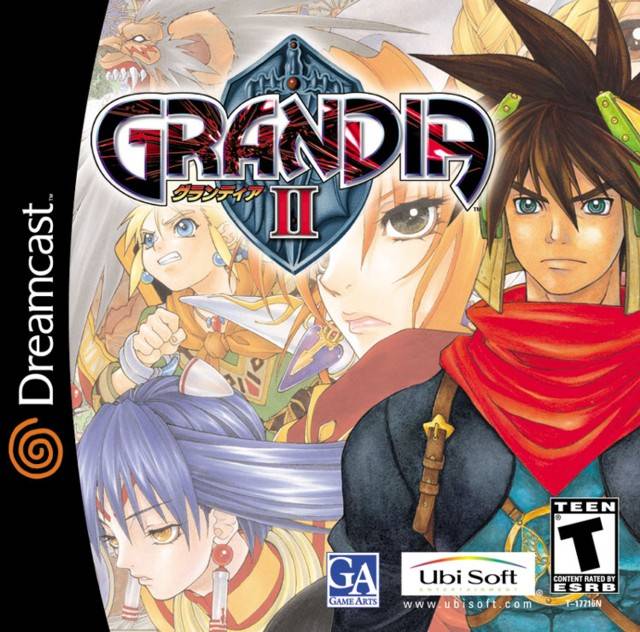
Grandia II
Coming out on the Dreamcast in 2000, Grandia II refined its predecessor's innovative battle system, making turn-based combat feel dynamic and strategic. The 'Initiative Point' system, where timing physical attacks and spells could interrupt enemy actions, was a masterclass in engagement. Its memorable characters, sweeping narrative, and fantastic musical score made it a high point for JRPGs of that era, influencing how future games approached active time battle mechanics.
3 critics · 6 lists →
#4
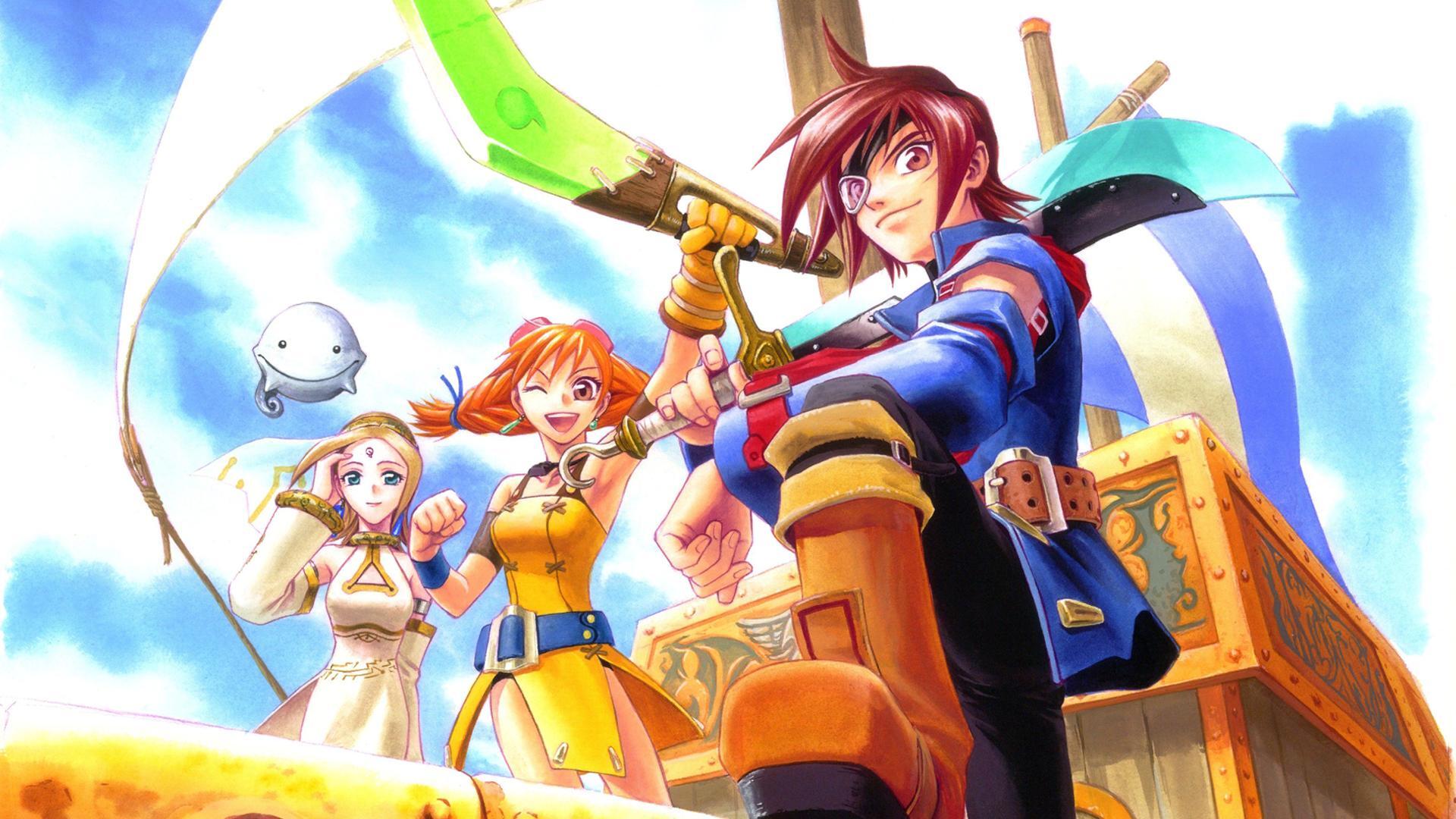
Skies of Arcadia
The Dreamcast, 2000, gave us Skies of Arcadia, a vibrant JRPG focused on airship exploration and swashbuckling adventure. It embraced a sense of boundless discovery, letting players pilot customizable airships across a world of floating islands. The engaging turn-based combat, both on foot and in spectacular airship battles, along with its optimistic tone and memorable cast, offered a refreshing contrast to the darker narratives prevalent at the time, leaving a lasting impression on adventure design.
4 critics · 6 lists →
#5
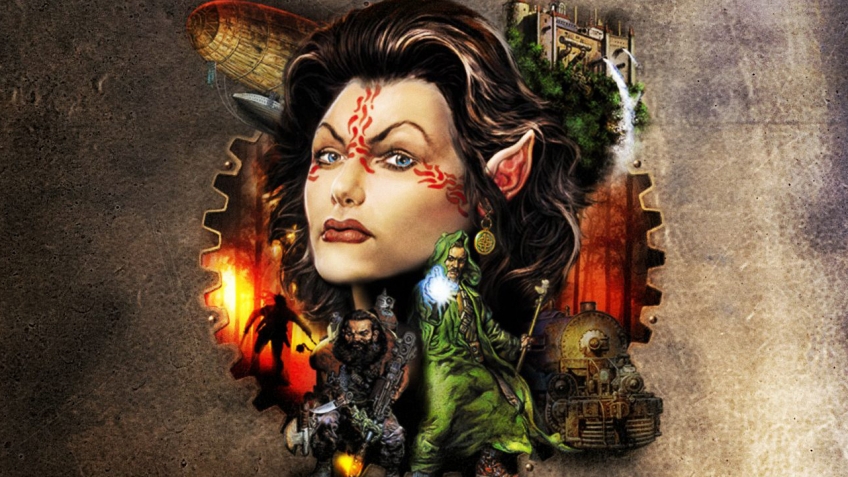
Arcanum: Of Steamworks and Magick Obscura
Troika Games’ 2001 RPG, Arcanum, presented a truly unique world where magic and nascent technology clashed. Its intricate character creation, branching dialogue, and profound consequence for player choices were unparalleled. You could be a technological genius or a powerful mage, but not both without significant penalties, forcing genuine role-playing. This deep commitment to player agency and world-building carved a niche, showcasing how complex systems could enrich narrative freedom, even if the execution was sometimes rough.
4 critics · 27 lists →
#6
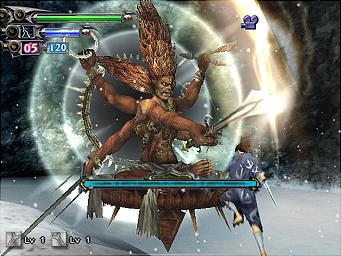
Blood Will Tell
Released in 2004, Blood Will Tell, known as Dororo in Japan, was an action game steeped in folklore and a unique premise. Playing as Hyakkimaru, a warrior missing 48 body parts stolen by demons, players embarked on a quest to reclaim them. Each regained part granted a new ability or weapon, fundamentally altering gameplay. This progressive character restoration mechanic offered a distinct form of power progression, making each victory feel genuinely transformative and impactful.
2 critics · 4 lists →
#7

Psi-Ops: The Mindgate Conspiracy
Midway's 2004 third-person shooter, Psi-Ops, was a pioneer in physics-driven gameplay. It armed players not just with firearms, but with powerful psychic abilities like telekinesis, mind control, and pyrokinesis, turning environments into interactive weapons. Throwing enemies, manipulating objects, and solving puzzles with pure mental force felt incredibly empowering and fresh. It effectively demonstrated how emergent gameplay could arise from combining robust physics engines with creative power sets, influencing future action titles.
4 critics · 23 lists →
#8

Second Sight
Free Radical Design’s 2004 title, Second Sight, explored psychic powers with a strong narrative focus and stealth mechanics. Playing as John Vattic, an amnesiac with burgeoning abilities, players had to piece together his past while navigating hostile environments. Its innovative use of psychic powers for both combat and puzzle-solving, often alongside traditional stealth, created a compelling experience. The game’s commitment to storytelling and integrated powers showed how supernatural themes could elevate stealth-action.
3 critics · 13 lists →
#9
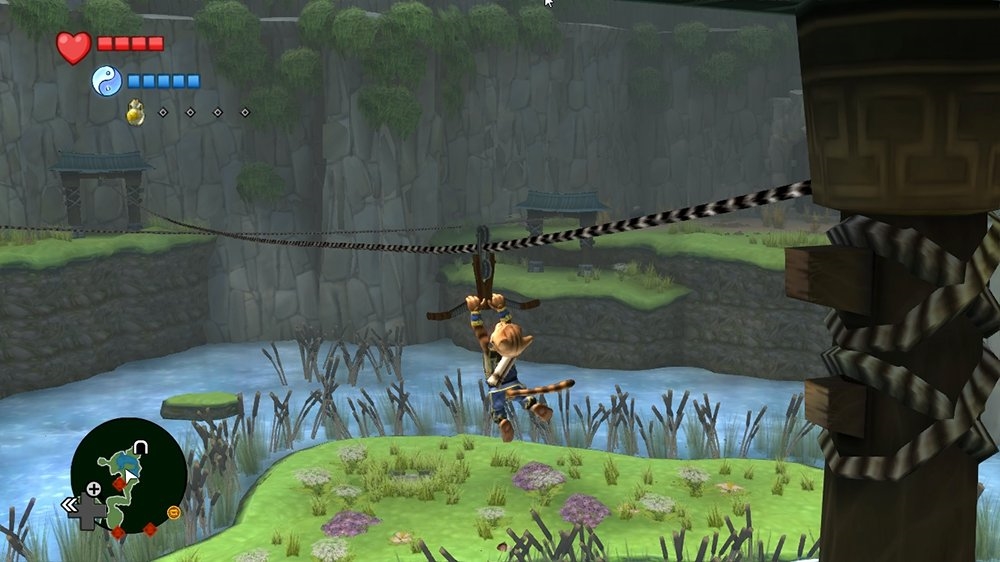
Legend of Kay Anniversary
The 2015 'Anniversary' edition of Legend of Kay brought a charming, martial arts-infused platformer from the PS2 era to modern consoles. While the original debuted in 2005, this remaster highlighted its timeless blend of combat, exploration, and light puzzle-solving. Its fluid animations, distinct animal-themed world, and engaging melee system showcased how a well-crafted, character-driven action-platformer could endure, reminding us of the genre's foundational joy beyond mere spectacle.
2 critics · 4 lists →
#10
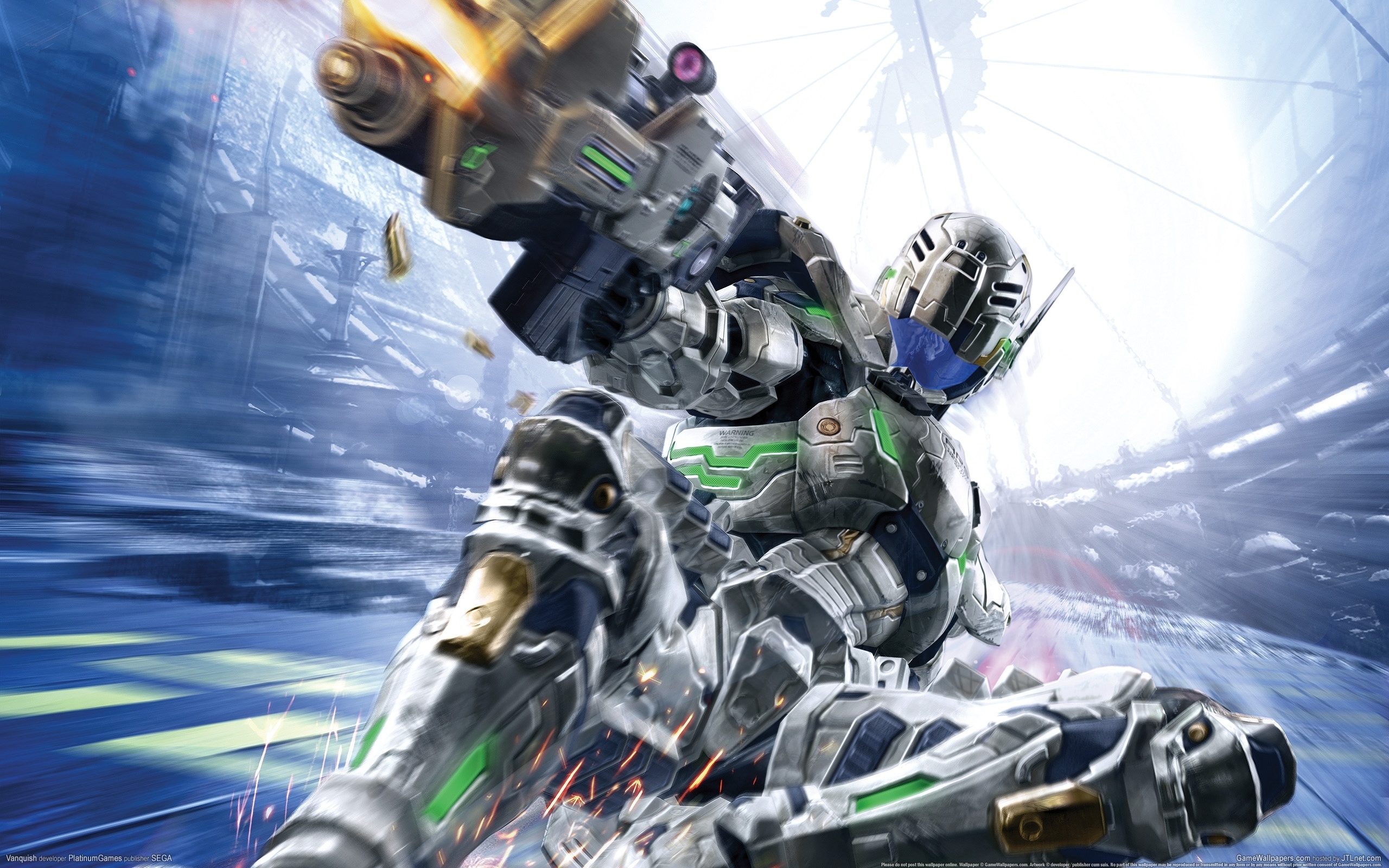
Vanquish
PlatinumGames’ 2010 shooter, Vanquish, was a masterclass in high-octane action and slick mechanics. Its signature move, the 'boost slide,' allowed players to traverse battlefields at incredible speeds, creating a dynamic, balletic combat flow. The game’s focus on aggressive, risk-reward gameplay, combined with its stunning visual flair and powerful weaponry, pushed the boundaries of third-person shooters, making every encounter feel like a meticulously choreographed spectacle. It set a benchmark for fast-paced action.
4 critics · 101 lists →
#11
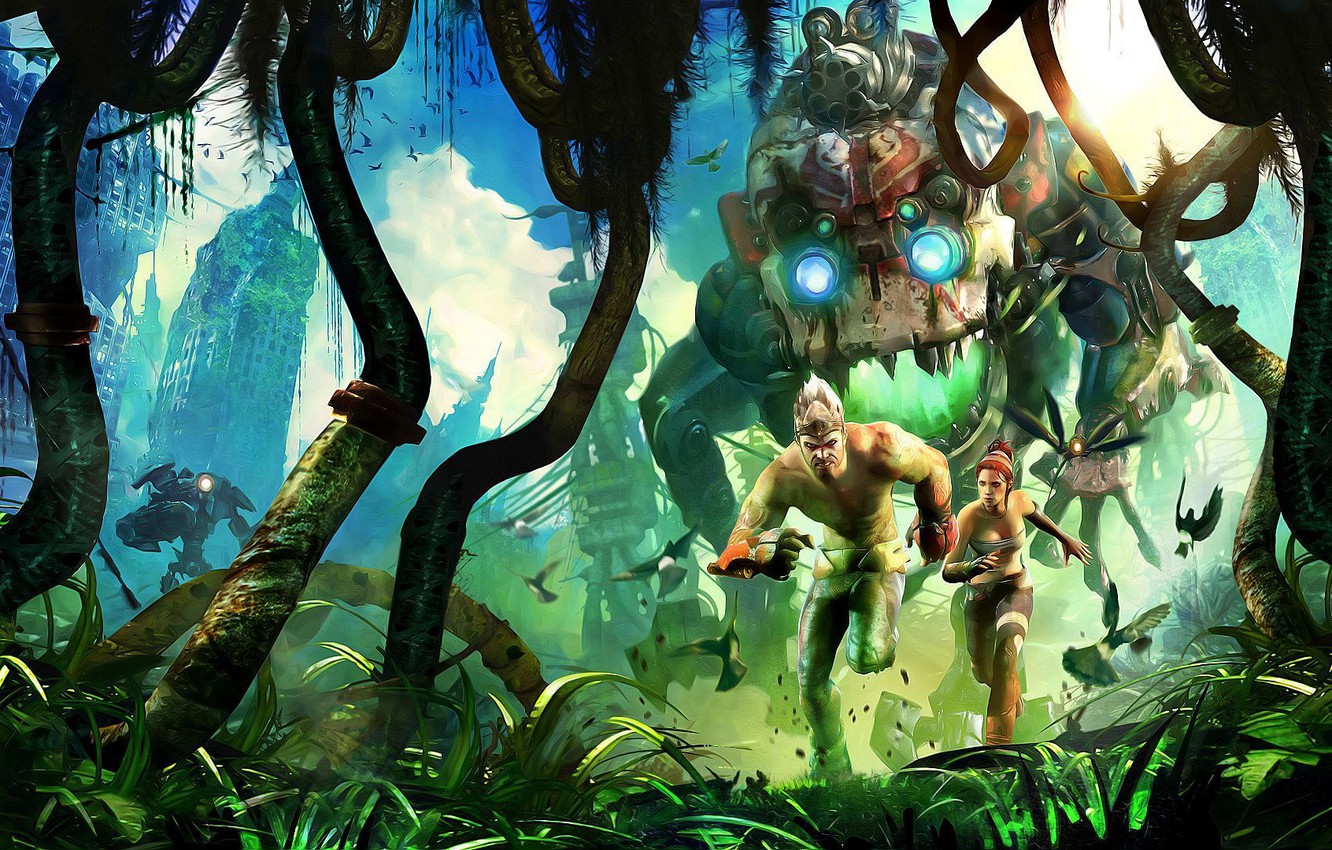
Enslaved: Odyssey to the West
Ninja Theory's 2010 action-adventure, Enslaved, offered a poignant, character-driven journey through a post-apocalyptic America. Inspired by *Journey to the West*, it focused on the evolving relationship between Monkey and Trip, whose co-dependent gameplay mechanics were central to progression. Its expressive animation, strong voice acting, and beautiful environmental design created a deeply immersive experience. Enslaved demonstrated that linear, narrative-focused adventures with strong character bonds could still resonate deeply.
4 critics · 117 lists →
Play onXbox 360 Store
0 / 11