#1
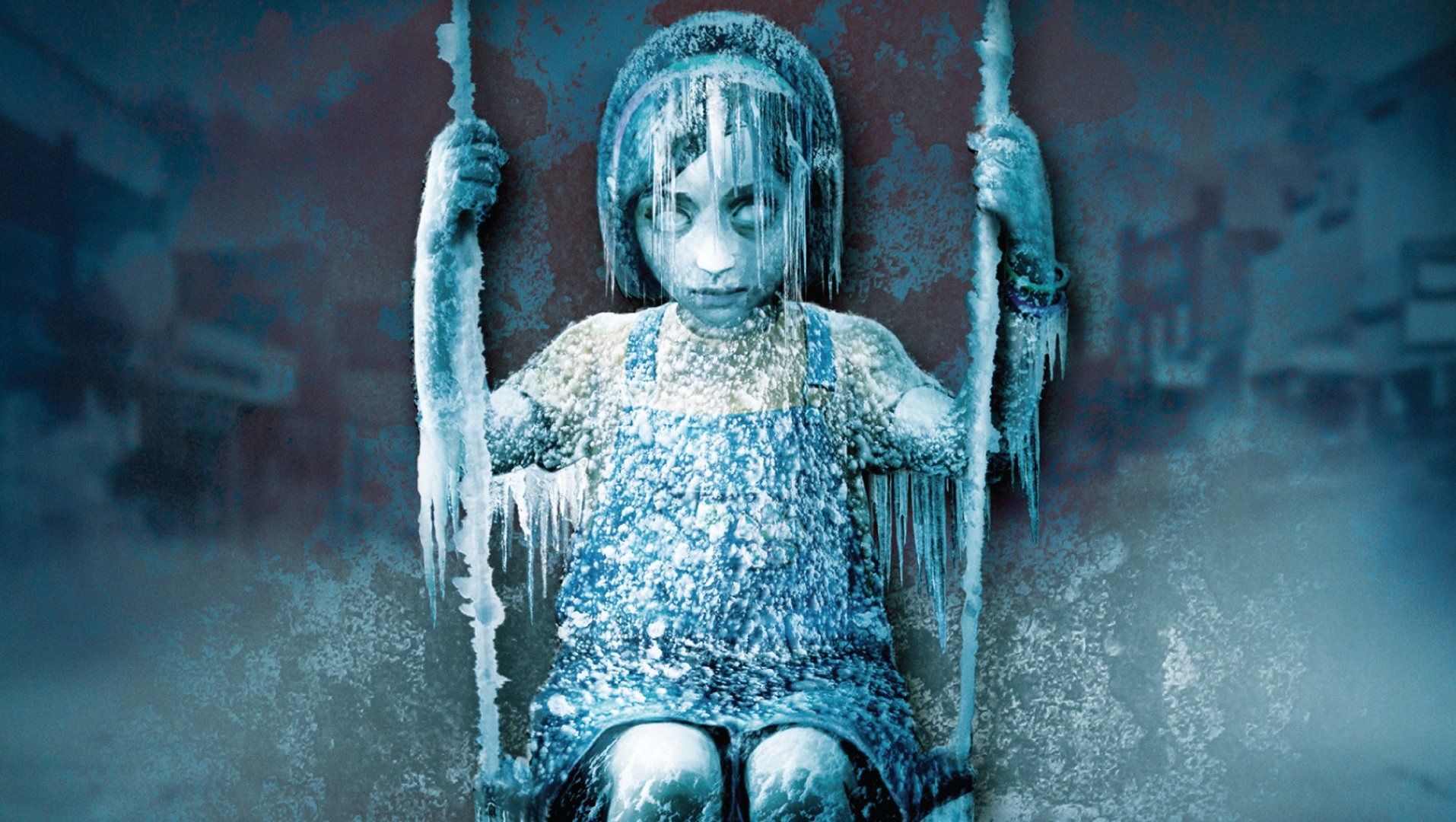
Silent Hill: Shattered Memories
I replay this one whenever I need to remember that mechanics can carry thematic weight. Stripping away combat forces you to experience pure, pathetic vulnerability. You sit in a therapist's office, answering mundane psychological inventories, and the town reconfigures itself around your personal guilt. It handles grief like an unspooling Greek tragedy. The ending left me staring at the static on my screen, grieving for a broken family that existed solely in cold, frozen memory.
#2
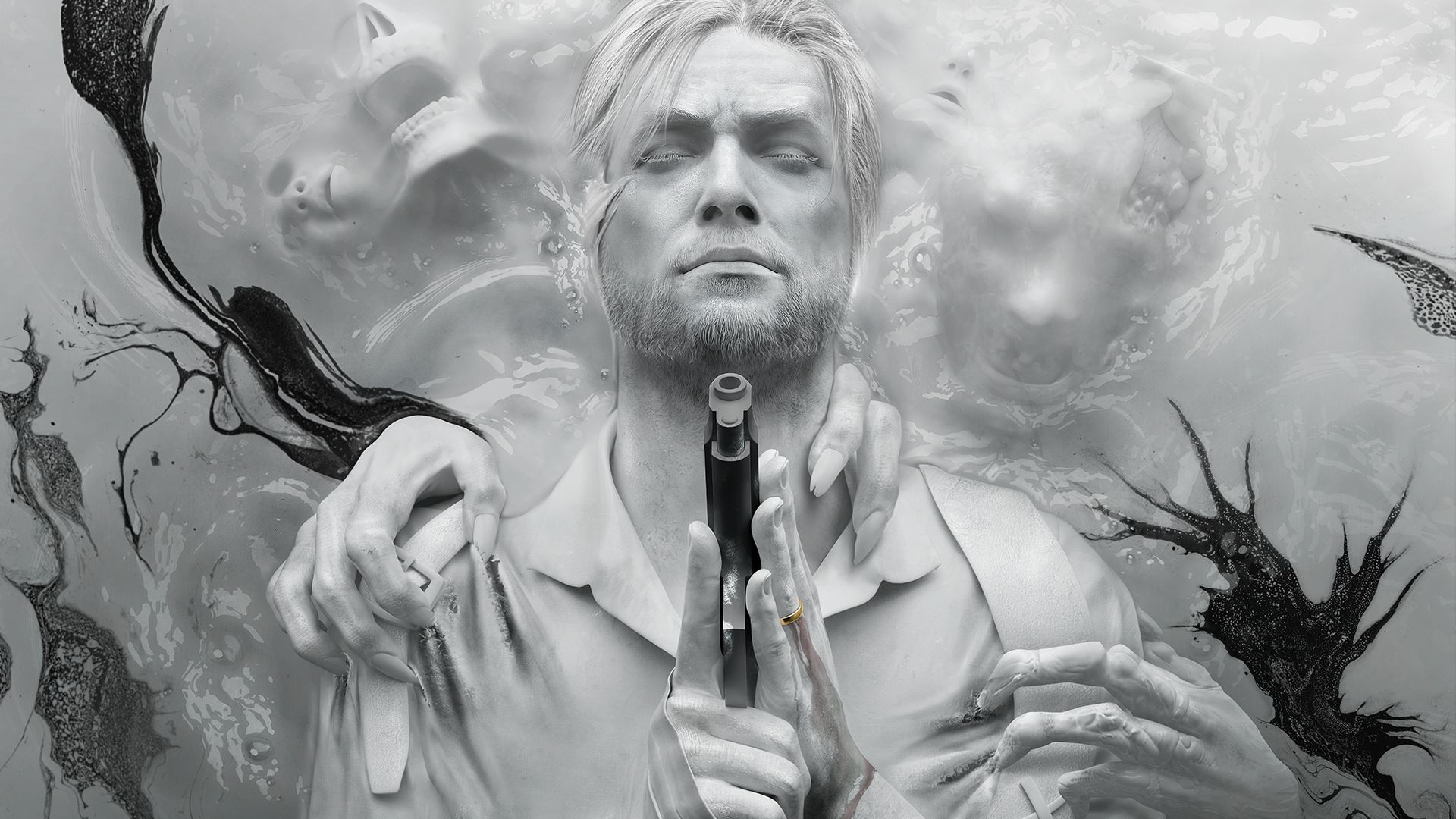
The Evil Within 2
Sebastian Castellanos starts as a tired, ruined detective and ends up carrying the sorrow of King Lear. The STEM system lets grief metastasize into architecture, building a cracked suburban purgatory out of parental failure and booze. The combat feels clumsy, sure, but fighting through grotesque manifestations of trauma to rescue Lily hit me right in the chest. Fatherhood in fiction is usually heroic bravado. Here, love is desperate, clumsy penance scraping across broken glass to fix an unforgivable past.
#3

Hellblade: Senua's Sacrifice
Senua’s descent into Helheim belongs on the same shelf as the Inferno. The voices murmuring in your ears act as a cruel Greek chorus, constantly dismantling your resolve while you search for Dillion’s lost soul. Ninja Theory made swordplay secondary to the crushing reality of mental suffering. You cannot conquer grief with a blade; you survive it by enduring the dark. The final confrontation broke my heart, demanding surrender instead of victory to complete Senua's painful spiritual rebirth.
#4
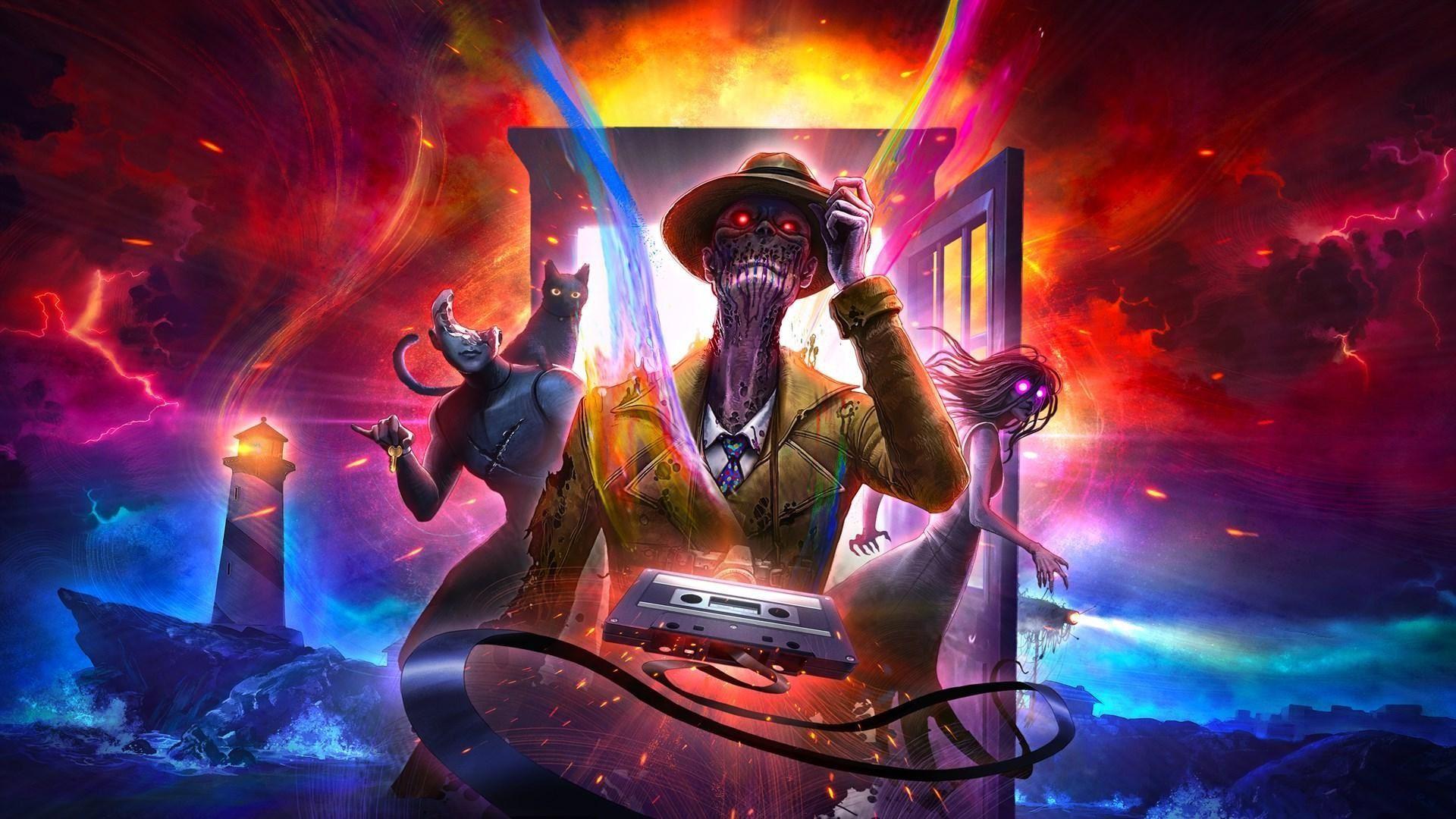
In Sound Mind
Listening to a therapist’s tape recordings should feel like clinical voyeurism, but this game turns each patient’s neurosis into an expressionist ghost story. You wander through fractured personal hells, armed with a broken mirror and a flashlight, solving puzzles born from human inadequacy. The shooting feels floaty, and I forgave it instantly. The writing honors the dignity of deeply broken people. Desmond confronts guilt with real sorrow, proving that listening closely to someone’s agony is the highest moral act.
#5
Mouthwashing
Stuck aboard a wrecked space freighter with rotting supplies and zero hope, this title plays out like a grim, claustrophobic chamber play. It channels Sartre’s No Exit with brutal, low-poly economy. The crew's slow descent into madness turns routine survival into an agonizing moral collapse. You watch decent people curdle into monsters when isolation strips away their dignity. It leaves a bitter, chemical taste in your mouth, exposing how fragile the social contract becomes under pressure.
#6

Who's Lila?
Instead of selecting dialogue options, you manually drag facial muscles to sculpt William’s expressions, trying to convince the world you possess human empathy. It feels like performing emotional taxidermy. The narrative unspools like a late-night David Lynch script, steeped in dread, missing girls, and occult philosophy. Every botched smile becomes a quiet existential horror. You spend hours agonizing over a crooked lip, realizing identity itself is merely a hollow mask we wear to hide the rot beneath.
0 / 6