#1
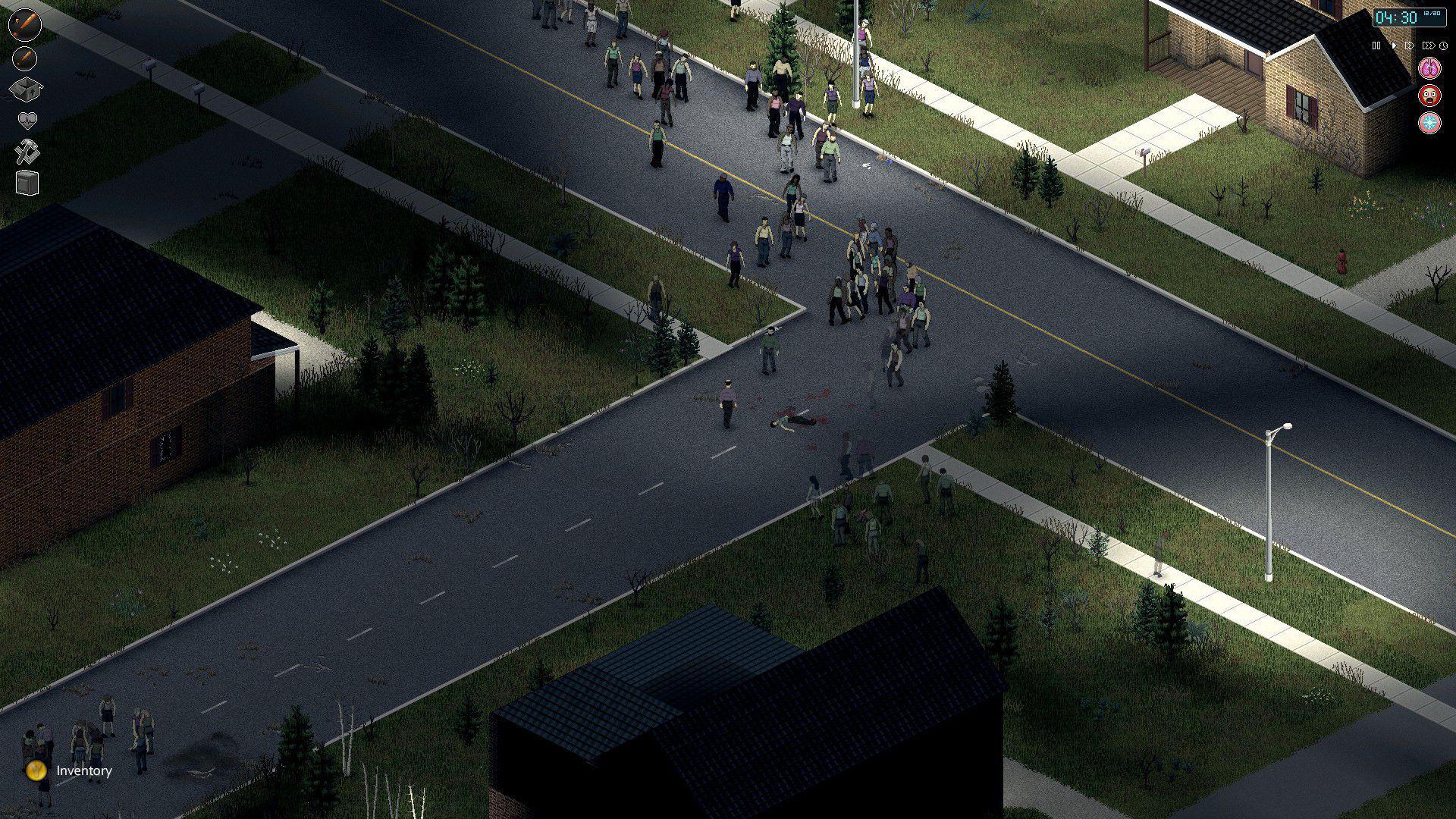
Project Zomboid
Valheim lets you bounce back from mistakes. Zomboid ends your run because you forgot to sterilize a rag or cut yourself on broken window glass. The systems interact with brutal precision. Panic throttles your ranged accuracy, while encumbrance ruins your sprint speed before a horde traps you against a locked kitchen door. Managing calorie intake and tailoring armor coverage matters far more than fast reflexes. You survive by planning your route, breaking line of sight, and hoarding clean water.
#2
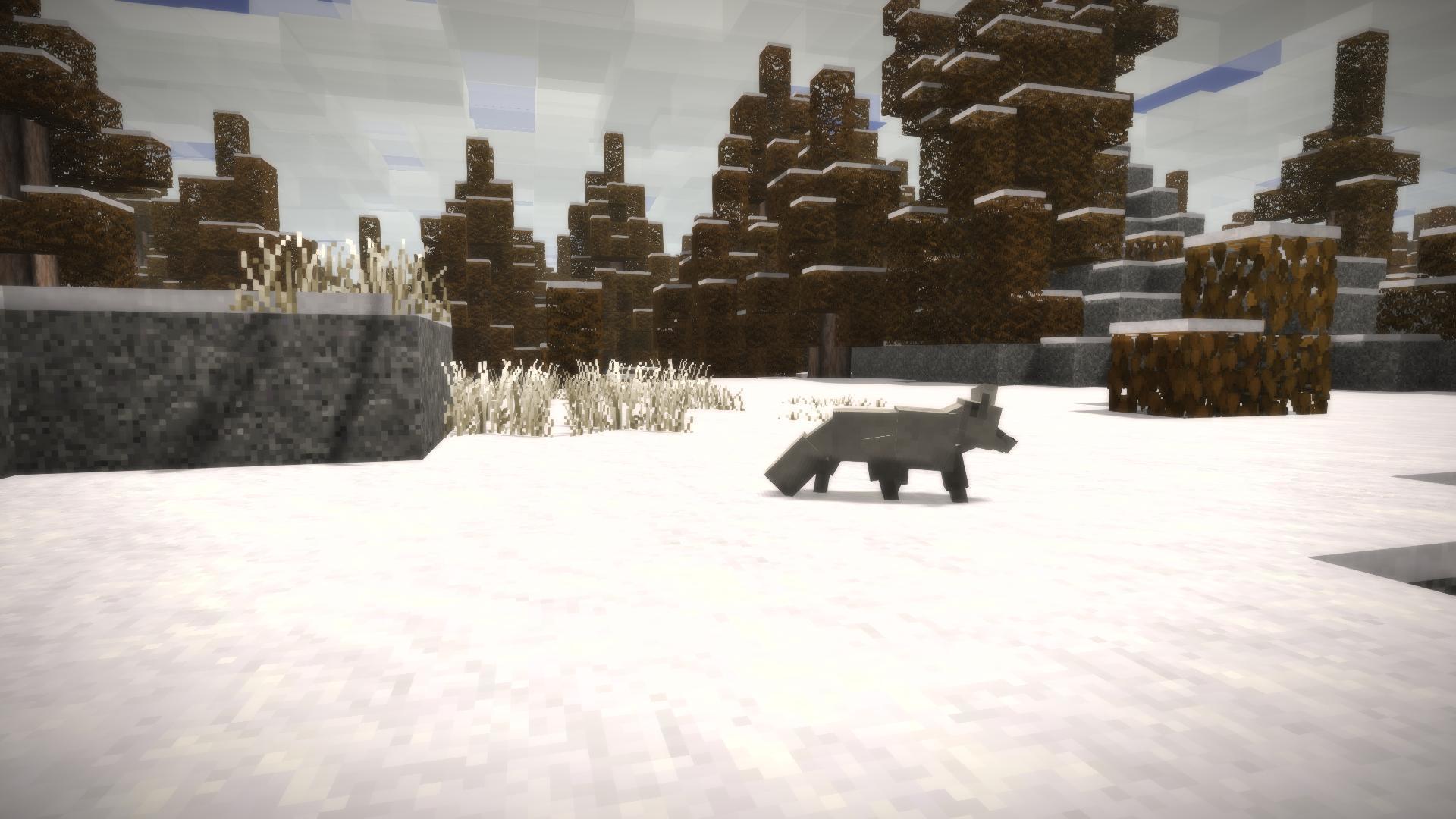
Vintage Story
Forget clicking a crafting bench to pop out an iron breastplate. Vintage Story forces you to knap flint by hand, shape clay voxel by voxel, and run real charcoal pits before you ever touch a bronze chisel. The thermodynamic modeling is relentless. Store your root crops wrong in an uninsulated cellar and winter rots your entire harvest before January arrives. Mechanics govern everything from soil nutrient depletion to bloomery slag ratios. It demands rigorous logistical discipline.
#3
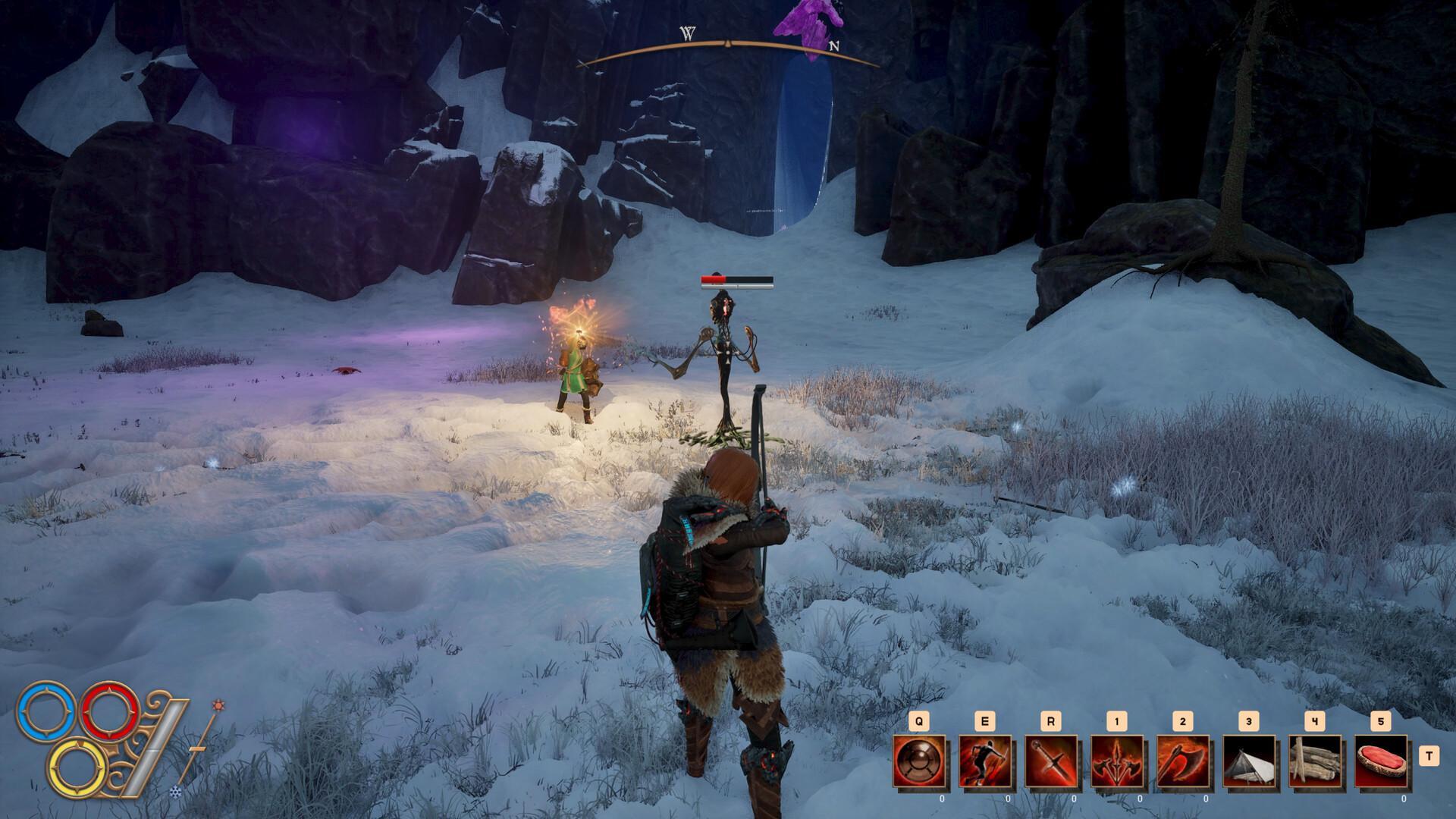
Outward 2
Combat here feels deliberate and clunky in the best way possible. You drop your heavy travel pack before drawing steel, or your dodge roll eats double stamina. There is no compass icon holding your hand, so you navigate terrain strictly through visible landmarks and topo maps. Casting magic requires laying down physical runic circles and staging reagents ahead of time. Prep work decides every encounter. If you get sloppy, hypothermia or an infected bite finishes the job.
#4
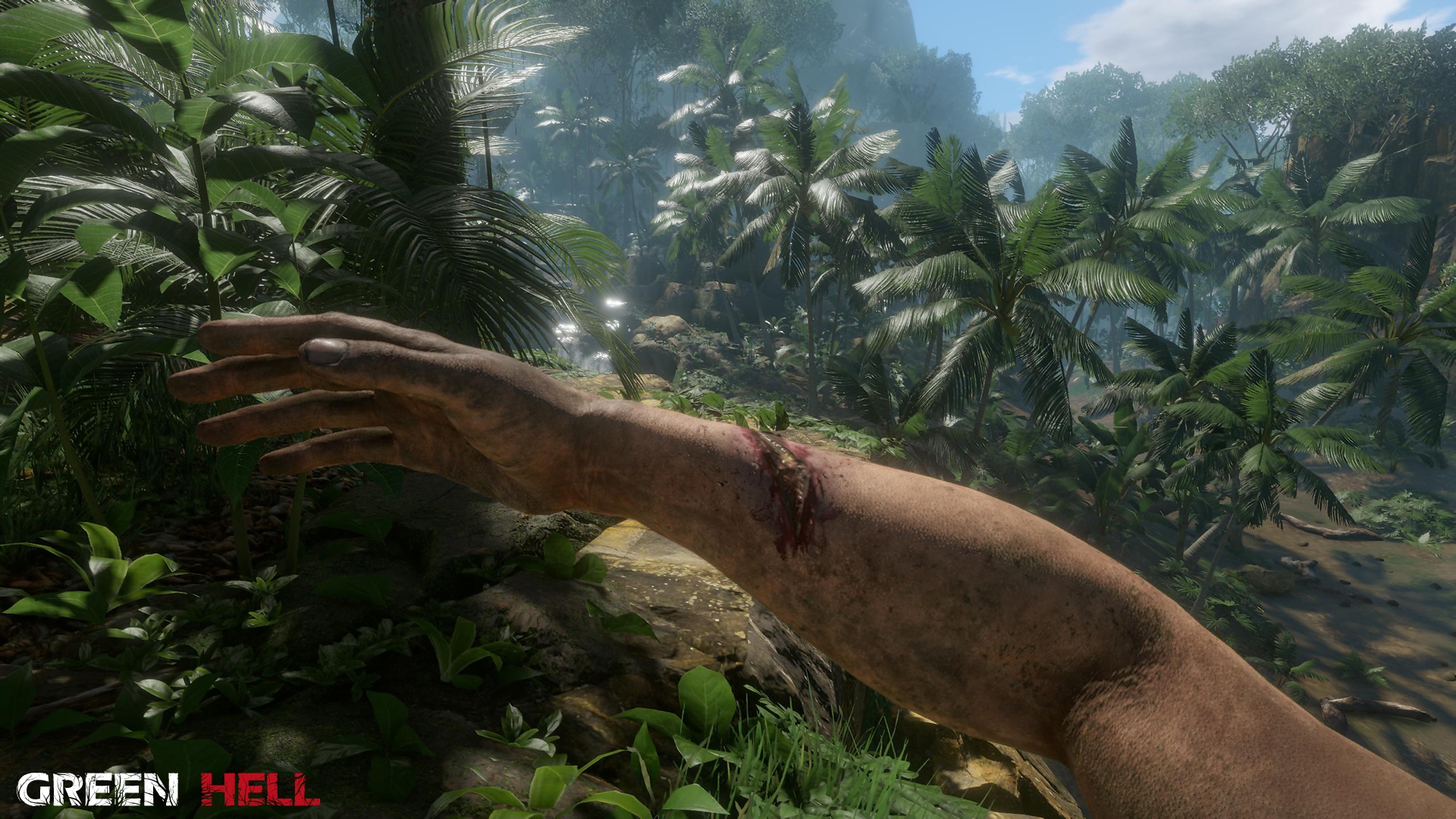
Green Hell
Most survival titles treat health as a generic green bar. Green Hell breaks it down into macronutrients, parasitical infections, and raw mental sanity. You check your limbs individually for leeches and flesh worms after every river crossing. Drink unfiltered water and the dysentery drains your stamina to zero within minutes. The crafting relies on physical inspection and muscle memory rather than pre-baked recipes. One laceration left untreated means fever, delirium, and a ruined afternoon in the mud.
#5
The Long Dark
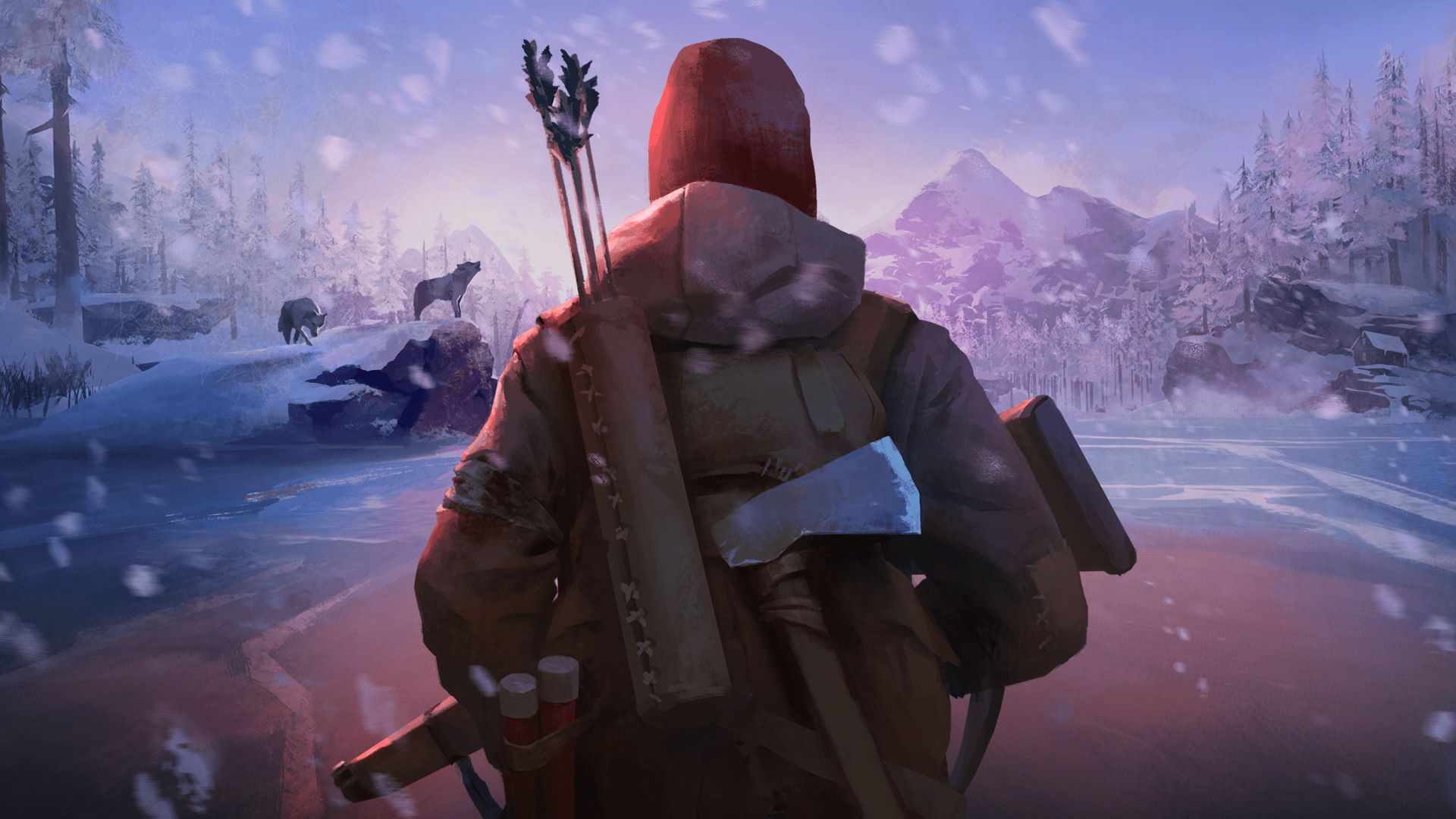
Calorie burn versus environmental wind chill is the core calculation here. Every decision burns resources you cannot replace. Step onto thin ice or let your wet socks freeze, and condition drops fast enough to kill you before finding shelter. There are no zombies or boss health bars to pad out the threat. Wind vectors govern your matches, scent mechanics draw timberwolves, and your sewing kit degrades with every repair. Pure thermal math stripped of modern distractions.
#6
7 Days to Die
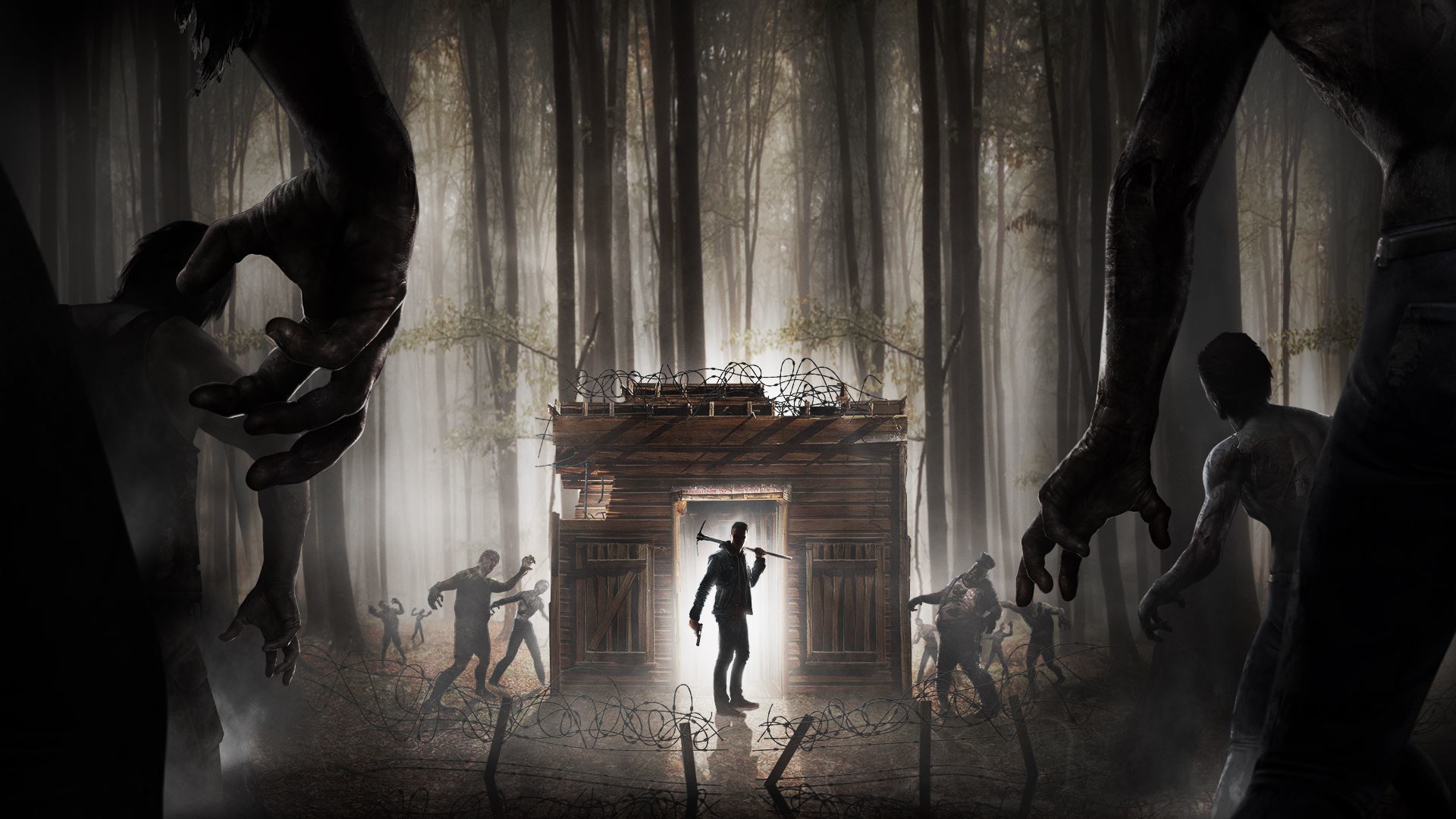
Voxel terrain deformation meets brutal structural integrity math. Dig out your basement foundations without adequate load-bearing pillars, and your entire base collapses on your head. The game turns every seventh night into a pure stress test of your trap layouts, kill corridors, and automated turret crossfires. You spend the daylight hours min-maxing concrete mixer uptime, looting brass radiators for bullet casings, and calculating zombie pathing exploits. It rewards hard structural engineering over sloppy twitch shooting.
#7
UnReal World
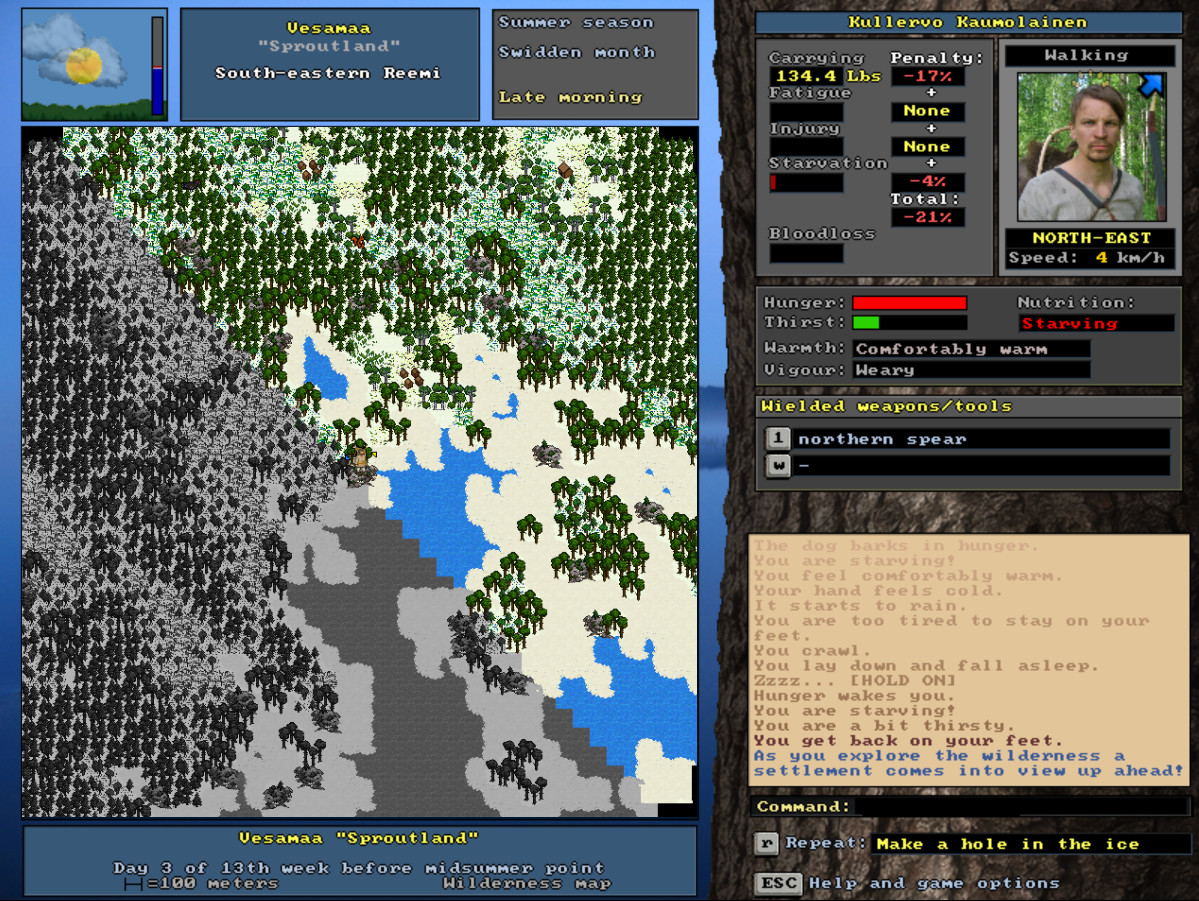
Before survival craft became a bloated mainstream genre, this Finnish roguelike set the baseline. You fell trees log by log, wait months for crops to grow, and build smokehouses to preserve elk meat through the Iron Age winter. Combat is unforgiving tile-based simulation where a single javelin can puncture your lung and bleed you out across the snow. No tutorials exist to bail you out. You read terrain, set deadfall traps, and respect the mechanics.
0 / 7