#1

Dopamine Chamber
Spinning this cut on a heavy slab of wax exposes the marrow of modern post-punk. The bassline carries genuine analog weight, pushing air through the woofers instead of sitting squashed in digital limiting. You hear the room around the drum kit, complete with dry snare bleed and genuine cymbal sizzle that refuses to fatigue the ear. Grian’s vocal delivery rides right on the ribbon mic's edge. It shows modern vinyl can still breathe with raw dynamic bite.
#2

Unknown Pleasures
Martin Hannett understood acoustic space like a cellar master understands oak barrels. Drop the needle on this 1979 Factory pressing and the spatial separation hits immediately. The drums were tracked in Strawberry Studios with AMS digital delays and a basement atmosphere, yielding icy decays and sharp transients. Stephen Morris’s snare snaps dryly, while Peter Hook’s chorus-heavy bass chords cut through the upper register. A quiet pressing allows those pitch-black silences between hits to remain hauntingly deep and uncompressed.
#3

Entertainment!
This 1979 master is brittle, acidic, and utterly brilliant. Andy Gill dialed his Stratocaster straight into a solid-state combo, stripping away all mid-range warmth. On vinyl, those jagged guitar lines scrape across the speakers like a razor blade across cardboard. Dave Allen’s bass punch anchors the low end, tracked with exceptional transient speed and zero flab. You get absolute clinical dryness here, completely unpolluted by contemporary studio reverb. It is an exercise in stark, bone-dry funk dynamics.
#4

Chairs Missing
Produced by Mike Thorne, this 1978 gem steps away from punk minimalism into lush, eerie textural territory. The LP captures subtle analog tape saturation that smooths out Colin Newman’s clipped vocals. Flanged guitars drift through wide stereo channels, while Robert Gotobed’s metronomic kick drum delivers tight, focused punch without low-end mud. Hearing the subtle decay on the synth pads during the quieter passages proves why streaming versions fall flat. The vinyl preserves every ounce of shadowy micro-dynamic detail.
#5

From the Lions Mouth
On this 1981 cut, the balance between melancholic gloom and urgent propulsion thrives on vinyl. Nick Swannell’s production work shines through the groove, capturing an honest drum sound where you hear the wood of the sticks striking the brass. The guitars swell with a chorus-laden richness that wraps around the listener, rather than piercing the ear canal. Analog tracking gives the surging rhythm section an earthy low-mid contour that digital remasters frequently sterilize into thin plastic.
#6

Real Life
John Leckie helmed the boards for this 1978 record at Abbey Road, giving it extraordinary headroom. The original vinyl pressing holds a glorious, uncompressed dynamic envelope. Dave Formula’s keyboards swirl across the soundstage with velvety warmth, while John McGeoch’s pioneering guitar work cuts through with crystalline bite. Howard Devoto’s sneering vocal sits squarely upfront, naked and dry. You can practically hear the tape hiss lingering in the quiet spaces, adding an authentic vintage patina to the entire performance.
#7

Turn On the Bright Lights
Most turn-of-the-century indie records fell victim to harsh digital clipping, but this 2002 debut retains remarkable atmospheric depth on vinyl. Peter Katis tracked the band at Tarquin Studios, dialing in a cavernous low-end bloom. Carlos D’s bass lines roll through the grooves with thick, rounded sub-frequencies that anchor Daniel Kessler’s chiming, reverb-washed arpeggios. Paul Banks’s baritone sounds grounded and heavy, escaping the shrill sibilance found on CD pressings. Put the tonearm down and let the dark ambiance envelop your room.
#8
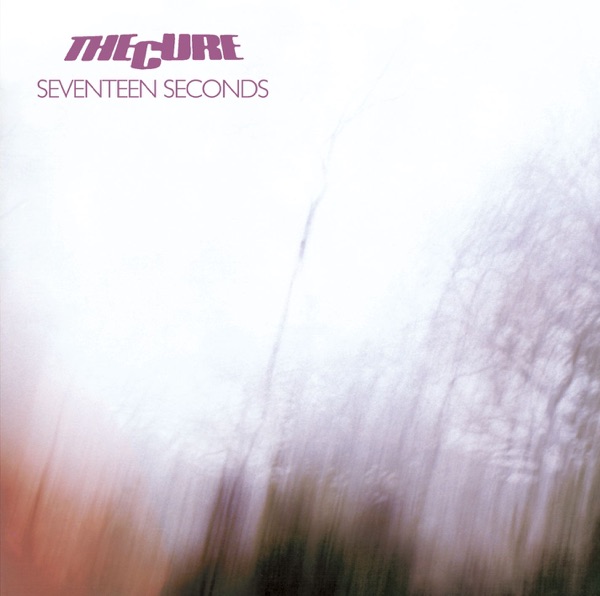
Seventeen Seconds
Recorded on an eight-track budget in Morgan Studios, this 1980 release offers a stark study in deliberate restraint. Mike Hedges captured Lol Tolhurst’s drums with minimal microphone bleeding, producing a cardboard-stomp thud that sounds immediate on vinyl. Robert Smith’s guitar drifts through an original Roland JC-120 chorus amplifier, painting wide stereo horizons against Matthieu Hartley’s austere synthesizer lines. The tape hiss is audible and welcome, giving the sparse arrangements an eerie, intimate presence that modern compression completely destroys.
#9

Crocodiles
Recorded at Rockfield Studios, this 1980 debut LP carries a fantastic organic timber. Ian McCulloch’s vocals ring out with natural room reverb, avoiding the artificial shimmer of later decade productions. Will Sergeant’s Fender Jaguar cuts with glassy top-end clarity, balanced by Les Pattinson’s rhythmic bass runs which maintain warm, round definition in the groove. The vinyl mastering lets the live energy of the takes shine through, capturing every fret scrape and slight drum fluctuation with untamed, punchy realism.
#10

Second Edition
Originally released as the legendary Metal Box in 1979 before being issued as Second Edition, this record was cut specifically to punish hi-fi cartridges. Jah Wobble’s dub-infused basslines generate massive sub-audio tremors that demand a high-compliance stylus to track properly. Keith Levene’s aluminum Veleno guitar emits metallic, piercing trebles that slash through the dense low-end fog. It has uncompromising room bleed, abrasive dynamic contrasts, and genuine tape saturation. The vinyl offers pure, visceral sound reinforcement.
#11

When I Have Fears
Flood produced this 2019 record, bringing his seasoned ear for tactile, analog grit into the modern era. Cut onto vinyl, the album displays cavernous dynamics that resist standard brickwalling. Drum hits have palpable acoustic mass, shuddering through your listening room with real floorboard resonance. James McGovern’s tortured vocal delivery catches every breath and crack on the microphone capsule. The stereo separation during crescendo moments avoids digital mush, allowing twin guitars to tangle with feral intensity and superb tonal clarity.
#12

Hex Enduction Hour
Recorded partly in a scruffy studio and partly in an abandoned cinema, this LP defines unpolished sonic perfection. The dual drum kits of Karl Burns and Paul Hanley hit the vinyl grooves with raw room reflection, giving the percussion an unmistakable, rattling wooden punch. Mark E. Smith’s voice barked through cheap microphones captures authentic distortion straight to tape. No digital polish can replicate this kind of gnarly mid-range thrust. It remains a gloriously dirty analog tour de force.
2 critics · 12 lists →
0 / 12