#1

Supermodified
Amon built this whole record out of dust, wire, and broken vinyl, yet it hits harder than multi-million-dollar SSL boards. The kick transients crack like someone snapping timber right next to your eardrums. Listen to how he carves out space around the sub-bass frequencies. He keeps the low end dry and mono while the chopped drum breaks whip across the stereo field. Pro studios spend weeks chasing this kind of brutal dynamic range.
#2

Split the Atom
Nobody sculpted low end like these Dutch wizards in 2010. Their multiband distortion chains turned neurofunk reese basses into wrecking balls, but the real secret sits in their transient shaping. The snare drums slap through with a ferocious 200 Hz punch before slicing your skull with a tailored white noise tail. And they keyed the side-chain compression so tightly that the sub-bass folds neatly under every transient spike without mud or phase cancellation.
#3

Los Ángeles
Most pop engineers choke acoustic records with multiband limiters, but this release proves dynamic headroom is king. The transient strike of raw palmas cuts through the stereo field like pistol shots, completely unblunted by tape emulation. Below that clatter, the acoustic guitar body provides deep, woody low end that breathes around 80 Hz. Her vocal chain stays startlingly dry, preserving raw throat rasp and consonant clicks instead of bathing everything in cheap plate reverb.
#4

Double Cup
Commercial hip-hop mixes often sound scrubbed clean and lifeless, but this 2013 cut keeps its knuckles bleeding. The kick drum smacks with ruthless front-end click before shoving a distorted 808 right into your chest. There is no polite high-pass filtering here. You get brutal clipping that actually enhances the transient attack, paired with vocal tracking that hits hard up front. It punches harder on phone speakers than million-dollar label records do on big mains.
#5

Forward Escape
Dave Tipper is an absolute menace behind a DAW. On this 2014 benchmark, his sub-bass reaches down to 30 Hz with pure, frictionless weight while remaining clean as surgical steel. Each percussion click and wooden rimshot possesses an astonishingly fast attack time, unsmudged by sloppy bus limiters. He positions every transient across an ultra-wide stereo field, pulling off spatial gymnastics that make most commercial mixing facilities sound like they are working through broken mono auratones.
#6

polychrome
The transient clarity on this 2018 record will ruin lesser monitoring setups. You hear microscopic envelope automation on every single percussive element, carving sharp spikes that sit perfectly above dense low-end chords. The sub frequencies register with absolute zero phase flutter, holding down the low octave while the snares crack around 4 kHz with absurd velocity. Plenty of outboard gear junkies cannot get their drums this crisp, because this precision only comes from obsessive digital slicing.
#7

Stunt Rhythms
This record hits like a lead pipe to the jawbone. Tobin took boom-bap cadences and drove them through catastrophic analog saturators without squashing the initial transient spike. The kicks drop like concrete slabs, packing subsonic energy around 45 Hz that rattles speaker cabinets effortlessly. And the snares are violent, engineered with abrasive crack and zero flab. Most high-end hip-hop mixing engineers play it safe, but this release proves that pushing gain staging into redlining territory creates god-tier thump.
#8

Rossz Csillag Alatt Született
Aaron Funk spliced 7/4 string sections against hyper-edited breakcore drums and gave the industry a lesson in transient management. Chopped Amen break snares fire off at ridiculous speeds, yet every hit carries devastating dynamic bite. He carved distinct notches in the orchestra samples so the low fundamental of the kick always cuts through. A lot of engineers would smear this fast percussion with bus compression, but Funk kept every single micro-edit razor-sharp, dry, and terrifyingly immediate.
#9

Syntheism
Eprom treats transients like weaponized voltage. On this 2023 album, the modular analog percussion slaps with instantaneous rise times that put lazy software clippers to shame. The sub-bass sounds massive and round, maintaining full weight down into the subterranean 35 Hz zone without swallowing the snare drums. He utilizes savage brickwall limiting alongside surgical EQ carving, ensuring that each distorted synthesizer stab leaves clean room for the rhythm section to physically knock against your ribcage.
#10

Triangulation
Guitar virtuoso albums usually sound like muddy slop with anemic, cardboard drums. But the 2010 mix on this power trio session delivers a clinic in raw acoustic punch. The snare drum keeps its crack around 2.5 kHz intact, letting the stick attack slice through complex fusion guitar lines. Meanwhile, the bass guitar sits locked inside the kick drum pocket around 60 Hz without masking the midrange guitar cabinets. It stays punchy, open, and ridiculously tight throughout.
#11

Form & Function
Minimalist drum and bass lives or dies on its drum transients, and this 1998 release is a blueprint for precision. Using old-school hardware samplers, the breaks were truncated manually to strip away ambient bleed, resulting in rimshots that bite like whip cracks. Below those snappy percussive hits, clean 808 sub-sine sweeps rumble between 40 and 65 Hz. Modern bedroom producers still analyze this mix because the headroom management here puts over-compressed contemporary club tracks to shame.
#12
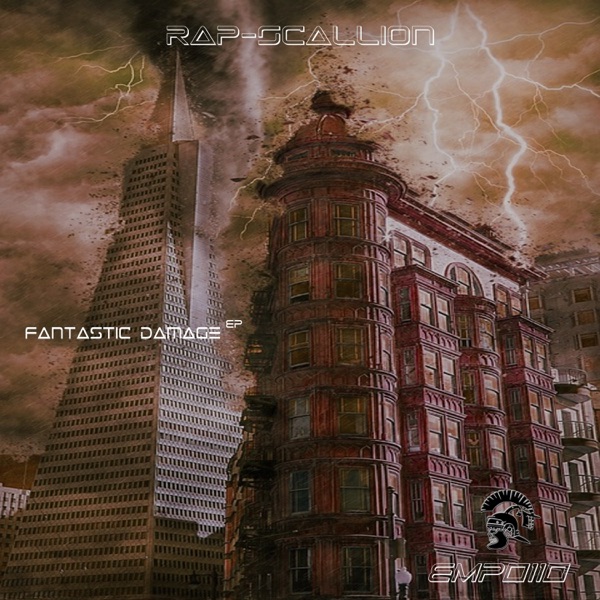
Fantastic Damage
This 2002 record sounds like an MPC exploding inside a steel vault, and the mix remains downright vicious. The drum transients hit with raw digital clipping and aggressive saturation that completely bypasses industry polishing. You get blown-out snares that cut right through abrasive, distorted synth lines, backed by sub frequencies that hit with crude, concussive force. It is noisy, hostile, and utterly unapologetic about refusing to round off its sharp, aggressive edges for radio play.
0 / 12