

#1
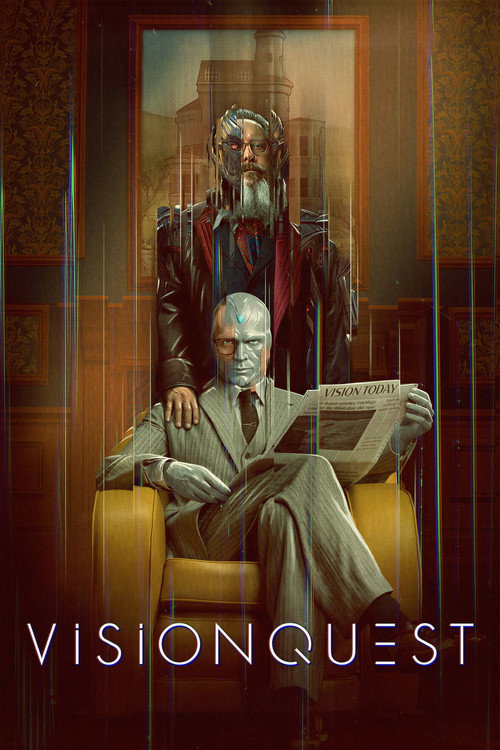
VisionQuest
Television arrived on our screens this week with Vision hunted across the dial, running from a bounty while fighting off Ultron’s ghost in his circuits. Back on Studio One, when an actor had to play a man divided against himself, they used harsh overhead key lights and sweat trickling through greasepaint. Here the synthetic hero faces his maker through modern wizardry. Still, the old broadcast ache survives underneath: a lonely manufactured creature begging for peace between commercials.
#2
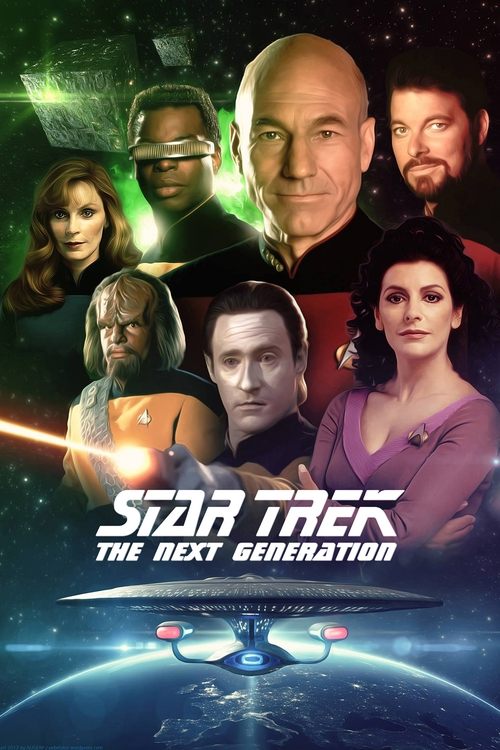
Star Trek: The Next Generation
Brent Spiner gave us Data on bright Paramount soundstages that smelled of carpet glue and cathode tubes. You could see the pale pancake makeup right against his collar. When Starfleet put his very personhood on trial in syndicated prime-time, they were honoring the golden age of Rod Serling and Sunday afternoon courtroom teleplays. Two men pacing a painted deck, arguing whether circuit boards can hold a soul. It was stage theater beamed directly through a rooftop antenna.
#3
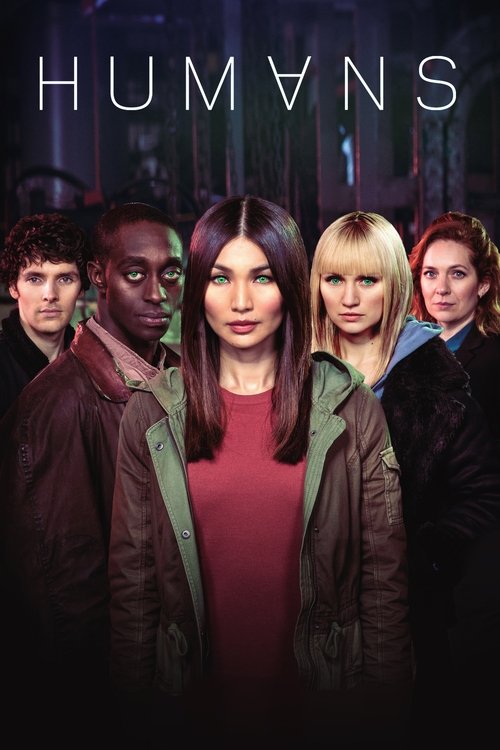
Humans
This British production put its green-eyed synths right where vintage BBC serials always planted trouble: in a cluttered suburban kitchen. Gemma Chan moved with an eerie, mechanical poise that recalled old pantomime traditions, wiping down kitchen counters with unsettling calm. In the sixties, domestic teleplays examined class warfare over boiling tea kettles; here, the servant in the parlor runs on battery cells. It treats artificial life like an uncomfortable houseguest who never blinks under harsh fluorescent tubes.
#4
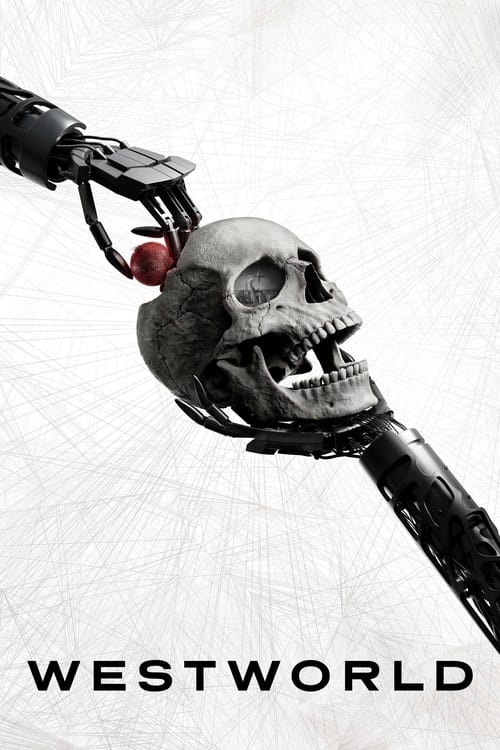
Westworld
Back in the fifties, half of network television consisted of men shooting six-guns on dusty backlot streets in Burbank. Jonathan Nolan and Lisa Joy took that exact cardboard frontier and filled it with mechanical bodies playing tragic loops. Watching Anthony Hopkins whisper philosophical musings reminded me of old Shakespeareans chewing scenery on Playhouse 90. But now, the saloon animatronics bleed real red, turning the staple cowboy western into a mournful examination of mechanical consciousness on reruns.
#5

Dollhouse
Fox shoved this show into the Friday night graveyard, where so many strange broadcast experiments went to die. Eliza Dushku had to erase her mind every week, stepping into new personalities like a repertory actor working through Four Star Playhouse. The clinical bunker sets had that cold, late-twentieth-century industrial sheen. And while the network executives wanted slick spy capers, the writers smuggled in deeply unsettling thoughts about how easily powerful corporations wipe clean fragile, manufactured memories.
#6
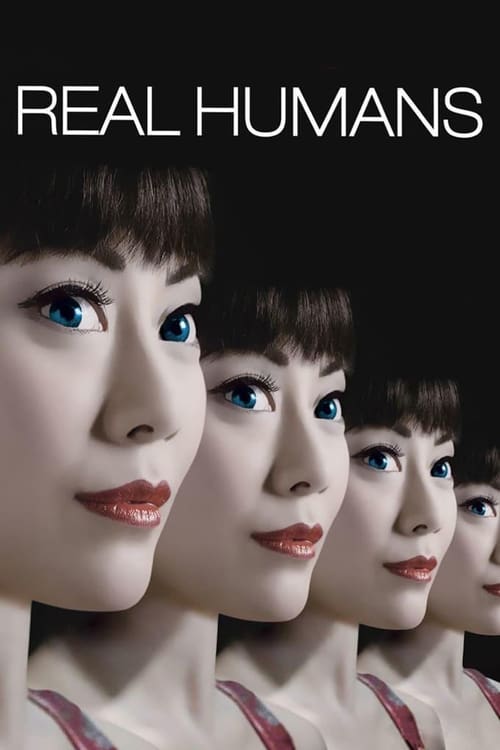
Real Humans
Before American budgets inflated the premise, Sweden’s public broadcaster gave us hubots with chilling understatement. Shot with the quiet restraint of classic Nordic television, these androids moved with awkward, plastic realism among worn suburban furniture. You can smell the wet pine outside the windows. The story treats synthetic people with the grim banality of household appliances that suddenly develop grievances. It captures that vintage European knack for making the uncanny feel like an inescapable neighborhood nuisance.
#7

Better Than Us
This Russian serial carries the distinct, melodramatic pulse of serialized broadcast soaps from the early nineties. Paulina Andreeva plays Arisa, an advanced empathetic bot on the run, protecting a fractured family amid heavy-handed corporate villainy. The camera glides through gleaming Moscow penthouses and gray police precincts like a prime-time crime hour. And beneath the sleek digital veneer, you hear the steady clatter of classic episodic television: family arguments, police investigations, and a machine learning human cruelty.
#8
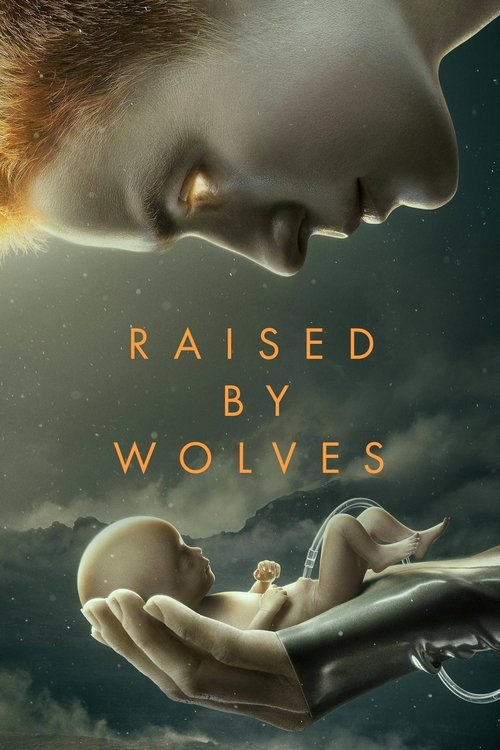
Raised by Wolves
Watching Mother howl on Kepler-22b brought me right back to the desolate gravel quarries of seventies Doctor Who. Amanda Collin delivered a performance so raw and theatrical that it belonged on a live stage in 1958. Her android caregiver shifts from nursery rhymes to horrifying airborne shrieks with terrifying power. You can feel the weird, untamed ambition of late-night experimental television here, where creators built mythologies out of sheer daring, uncaring if the audience found it baffling.
#9
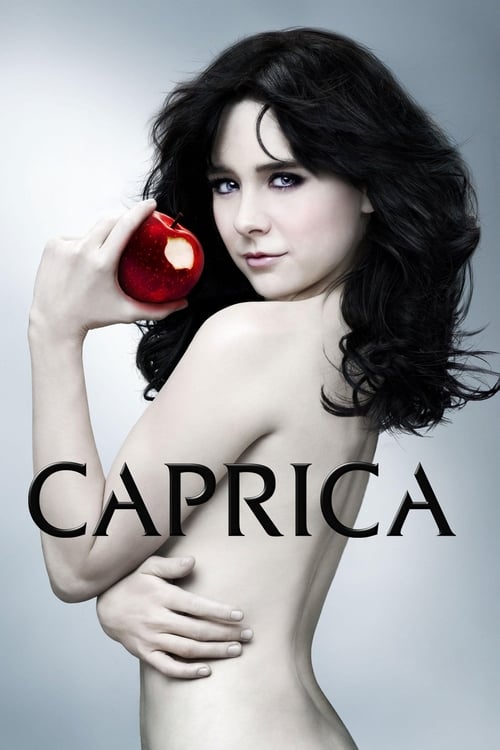
Caprica
Before the Cylons burned the colonies, they were born in a boardroom melodrama straight out of Dallas or Dynasty. Syfy gave us wealthy corporate titans in tailored wool suits sipping scotch while mourning dead daughters and engineering robotic bodies. Alessandra Torresani’s avatar persona had the haughty, tragic fire of an afternoon soap heroine trapped in circuits. It was a stately, dialogue-heavy experiment that dared to treat synthetic doom as an intimate, drawing-room tragedy between commercial breaks.
#10
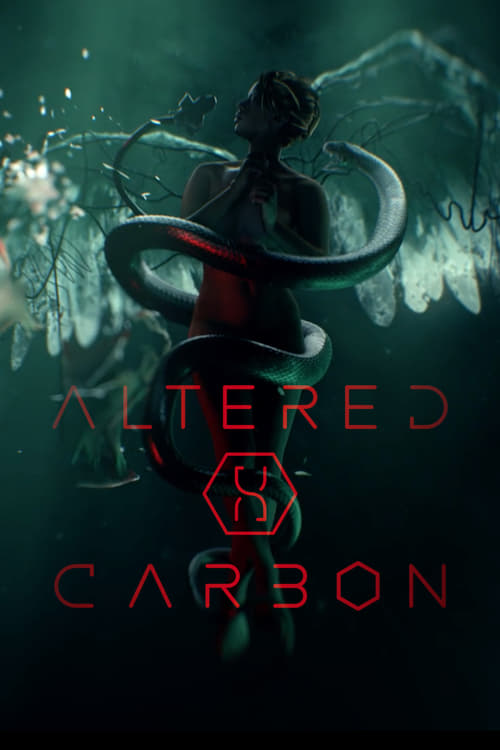
Altered Carbon
Strip away the expensive computer effects and neon glare, and this show is pure, gritty fifties detective television. Takeshi Kovacs is the cynical private eye waking up in another man’s body, working a murder case for an arrogant millionaire. It echoes Peter Gunn filtered through high-concept machinery. The human soul is reduced to a stamped metal disc in the neck, discarded like an old videotape. It proves that the gumshoe formula never truly leaves our sets.
2 critics · 2 lists →
0 / 10