

#1
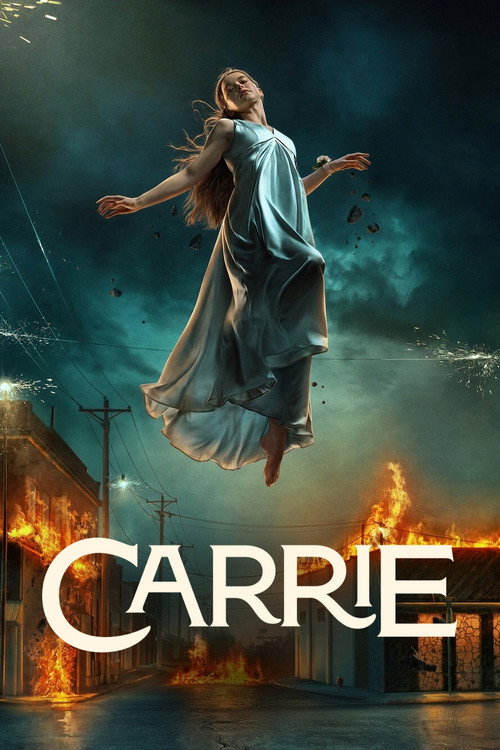
Carrie
This latest iteration anchors its entire dramatic architecture on grief and digital surveillance. Dropping Carrie into public school following her father’s death sets up the pressure cooker early. The viral bullying turns the high school ecosystem into a modern colosseum, giving her awakening telekinesis a distinct, hard-edged purpose. If you track horror for the moment the scales tip, this release treats systemic cruelty as the fuse, building toward inevitable, kinetic payback on a massive scale.
#2
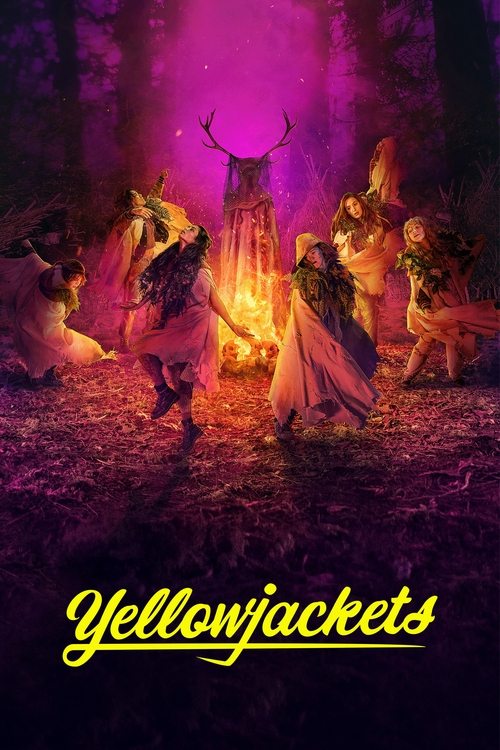
Yellowjackets
The pilot hooks you with that brutal winter cold open, but the real narrative engine is the slow-boil rot across two split timelines. Shauna and Misty carry decades of suppressed trauma that erupts into feral payback whenever their suburban lives crack open. It functions like prime early-2000s serial television, tracking how high school cruelty festers until wilderness survival turns social outcasts into predators. Every act of violence feels methodically tallied, earned, and shockingly cold.
2 critics · 56 lists →
#3
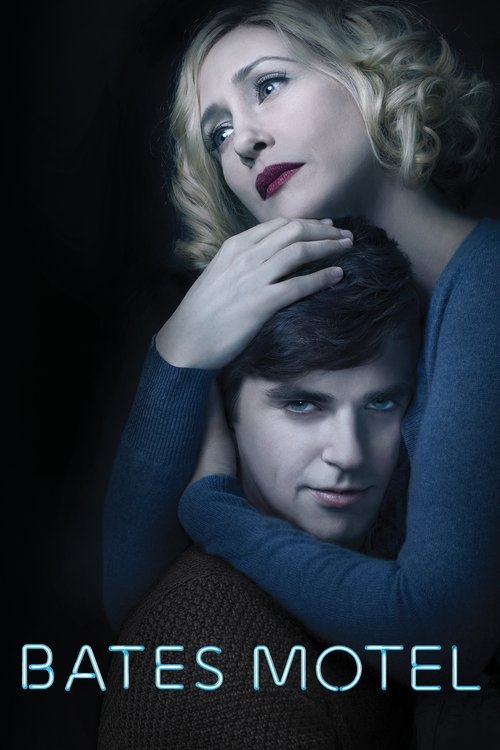
Bates Motel
Running across five meticulously plotted seasons, this prequel avoids standard slasher traps by investing fully in character psychology. Norma and Norman Bates face constant town hostility, corrupt syndicates, and childhood ghosts. The show treats their isolation as a tragic powder keg. When retribution lands, it hits with domestic finality rather than cheap jump scares. Vera Farmiga and Freddie Highmore deliver an ensemble dynamic where every defensive strike feels born from years of cornered survival instincts.
#4
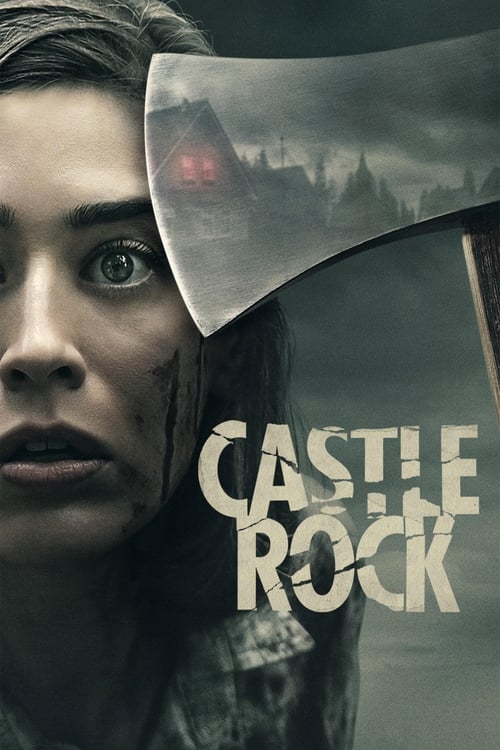
Castle Rock
Anthology storytelling lives or dies on its seasonal payoffs, and Castle Rock treats Stephen King’s shared universe with classic prestige reverence. Season two in particular excels by charting Annie Wilkes’ desperate flight into Maine. Lizzy Caplan plays her as an unhinged mother backed against a wall by local criminals and supernatural zealots. Her bloody retaliation is pure serialized horror satisfaction, demonstrating how pushed-around eccentrics can completely dismantle an entire town’s corrupt institutional power structure.
#5
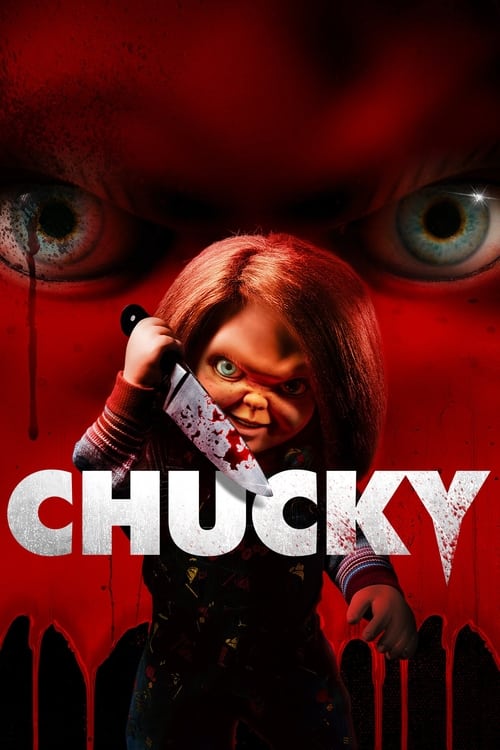
Chucky
Don Mancini turned a legacy slasher franchise into a weekly morality play about suburban ostracization. Jake Wheeler starts the series as a tormented gay teen subjected to casual brutality from classmates and his abusive father. Enter Chucky, who acts like a demonic monkey’s paw for teenage vengeance. The mid-season pivots show how seductive earned payback can be to someone with zero institutional support. It balances dark humor with genuine, blood-soaked catharsis for the perpetual underdog.
0 / 5