


#1
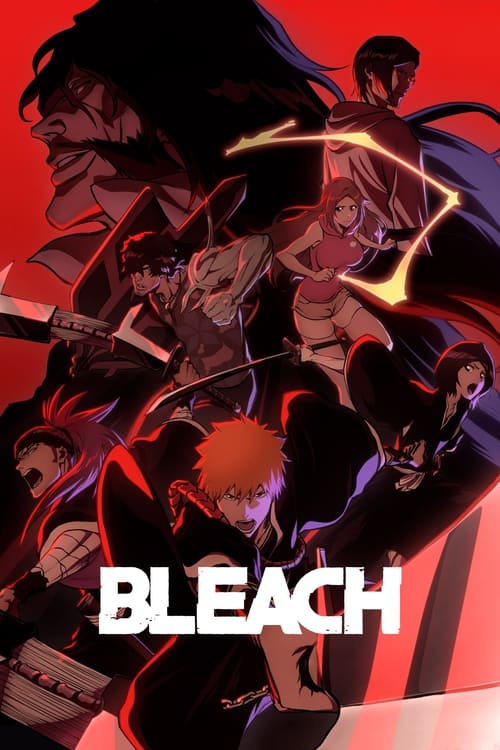
Bleach
The Soul Society arc remains prime appointment television. You get an ensemble infiltration with immaculate pacing, ticking-clock stakes, and a finale reveal that redefined antagonist pivots for an entire generation of serialized shows. Sōsuke Aizen stepping up into the sky is the kind of cold, calculated season wrap that prestige dramas dream about. The show stumbled into bloated filler seasons later, but that initial forty-episode run paid off every character thread it introduced with brutal precision.
#2
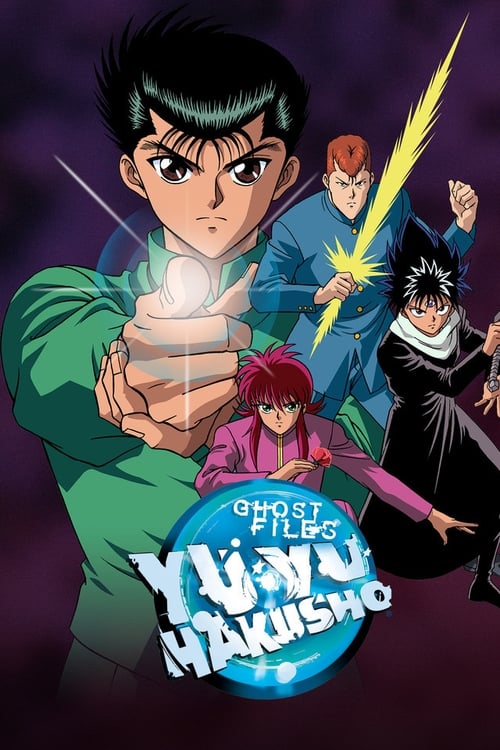
Yu Yu Hakusho
Yoshihiro Togashi laid the infrastructure here that later productions spent decades copying. The Dark Tournament gave us tournament television at its absolute apex, treating every matchup like an escalating episode-to-episode pressure cooker. Then the show pivots entirely into Chapter Black, swapping stadium spectacles for paranoid urban psychological dread and Sensui's fractured worldview. Yusuke’s crew carries real scars from arc to arc. It wraps its run without stalling, hitting a definitive, earned finale that respects your emotional investment.
#3

JUJUTSU KAISEN
Most battle sagas spend years easing their cast into tragedy, but this series moves with ruthless modern efficiency. Season one sets up a stylish urban supernatural investigation, only for the Shibuya Incident to dismantle every safety net the characters leaned on. It plays like a relentless season-long siege episode where plot armor gets tossed out the window completely. You watch an entire ensemble break under catastrophic momentum. The fallout leaves the narrative world permanently altered going forward.
#4
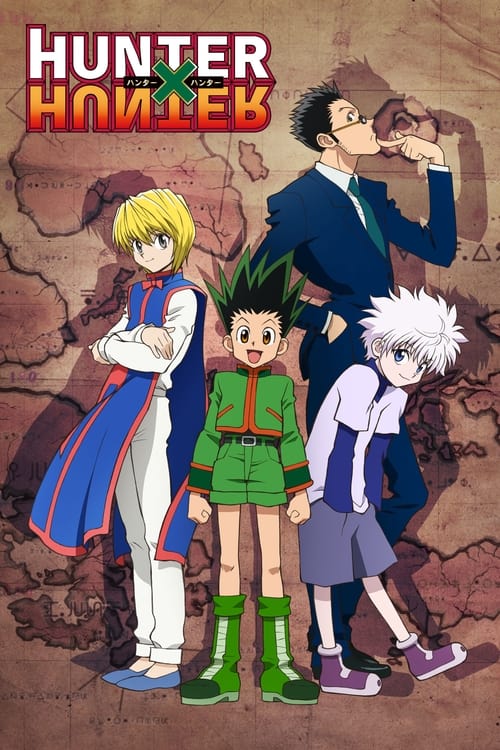
Hunter x Hunter
The Chimera Ant arc stands beside the heaviest prestige drama seasons of television history. Togashi dismantles the cheerful boy-adventurer setup by throwing Gon and Killua into an existential meat grinder. The palace invasion splits real-time minutes into multi-episode psychological studies, backed by a narrator dissecting dread down to the millisecond. Meruem’s evolution alongside Gon’s tragic descent delivers an earned, devastating endgame. It is long-form episodic plotting operating at maximum nerve, completely uninterested in offering easy, comforting resolutions.
#5
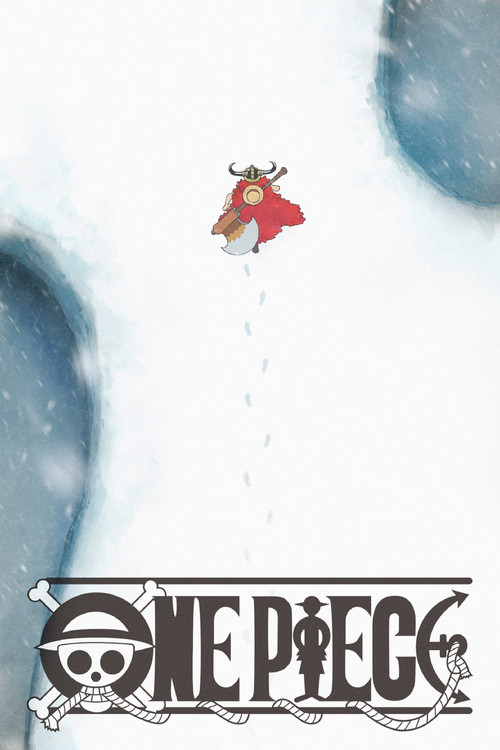
One Piece
Long-term continuity is king here, unfolding across sprawling sagas where background seeds planted fifty episodes earlier blossom into season-defining payoffs. The pivot from Water 7 into Enies Lobby plays like a golden-era cable sweeps week, tearing the Straw Hat crew apart internally before uniting them against the world government. Characters carry cumulative weight, world factions continuously shift behind the scenes, and the Marineford summit battle detonates the geopolitical landscape. It rewards serialization junkies who demand monumental structural payoff.
2 critics · 2 lists →
#6
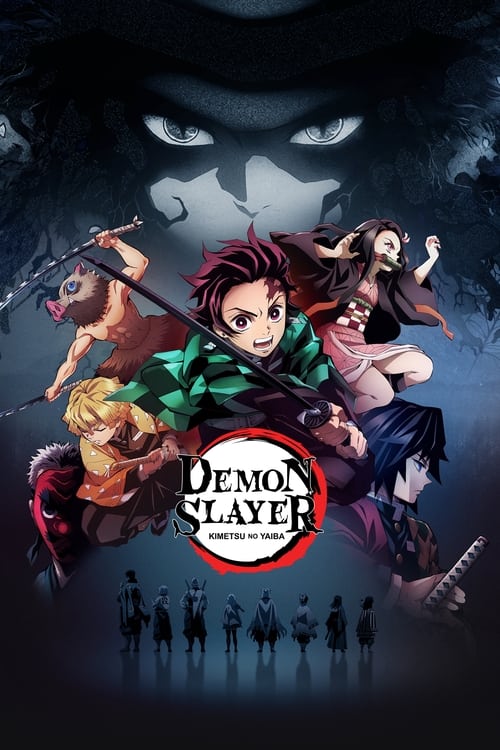
Demon Slayer: Kimetsu no Yaiba
This series understands the discipline of the streamlined season order. Instead of getting bogged down in sprawling subplots, each arc operates as a contained, high-intensity crisis with clear survival stakes. Mugen Train functions as a ruthless theatrical bridge that raises the lethality bar, while the Entertainment District delivers an exhausting, multi-part climactic clash that drains its heroes to the bone. Tanjiro’s grief anchors the velocity, making the show's unrelenting technical set-pieces feel thoroughly anchored in character consequence.
#7
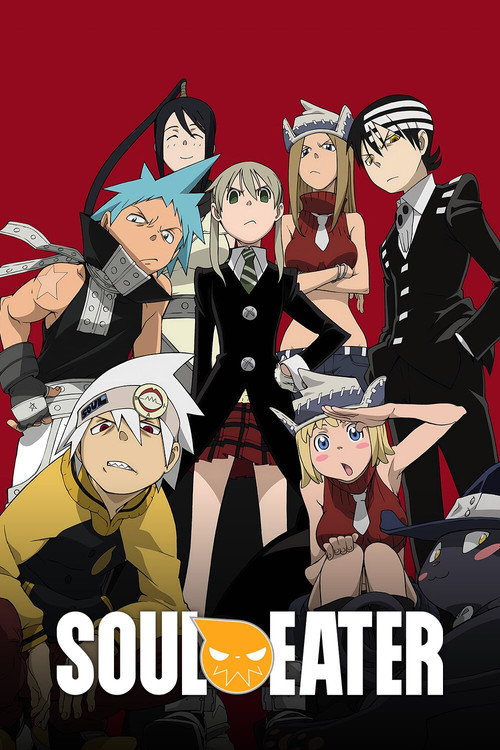
Soul Eater
Arriving during Bones’ mid-2000s peak run, this adaptation drips with distinctive gothic swagger while maintaining strict seasonal momentum. The early monster-of-the-week setups quickly collapse into an overarching contagion plot as the Kishin revives and madness infects the school. Maka, Black Star, and Death the Kid develop distinct mechanical styles that mirror their psychological hang-ups. Even though the anime-original finale hurried its thematic resolution, the mid-season battle beneath the DWMA academy remains an undisputed high-water mark of coordinated ensemble warfare.
#8

D.Gray-man
Fans drawn to the exorcist military structure and somber underworld lore of Soul Society will appreciate this Victorian gothic slow-burn. Allen Walker's tragic dynamic with the Akuma grounds the show in constant mourning rather than triumphalism. The narrative hits its stride during the grueling voyage toward Edo and the subsequent Noah’s Ark sequence, turning into a claustrophobic gauntlet where Exorcists drop room by room. It takes the battle formula and filters it through relentless tragic melodrama.
#9
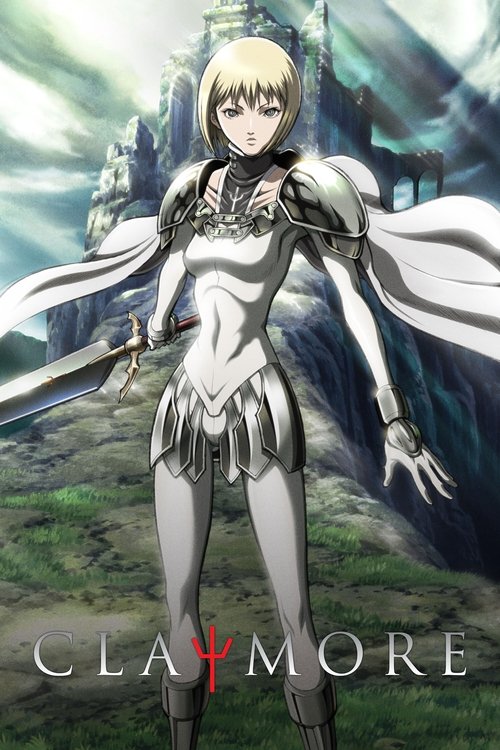
Claymore
This show cut through mid-2000s fantasy television with surgical, grim efficiency. The Teresa of the Faint Smile flashback arc provides one of the cleanest, most heartbreaking origin stories ever put to tape, establishing the emotional engine Clare runs on. When the narrative shifts toward the Northern Campaign, the survival horror dials up massively as silver-eyed warriors face impossible awakenings in the snow. It handles ensemble attrition with brutal honesty, refusing to pull punches when tactical plans fall apart.
#10
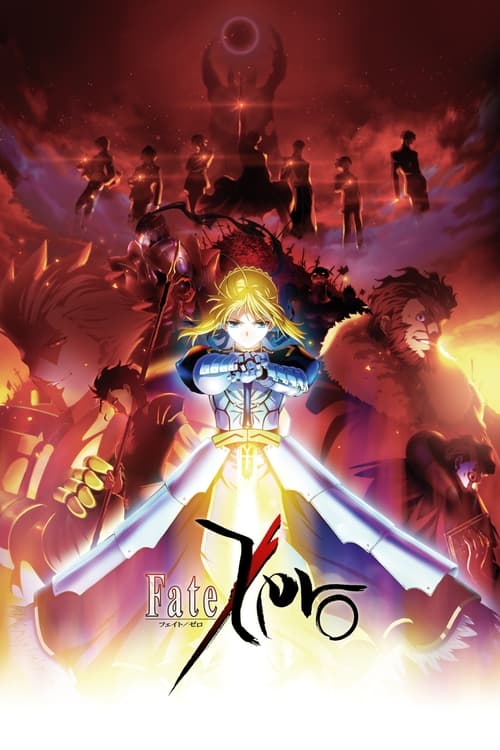
Fate/Zero
Gen Urobuchi treats the fourth Holy Grail War like an uncompromising geopolitical thriller masquerading as an urban fantasy death match. There are no teenage training arcs here; seven adult masters wage tactical, ideological warfare where pragmatism obliterates chivalry at every turn. Kiritsugu Emiya and Kirei Kotomine circle each other across two taut cours, building toward a catastrophic finale that feels painfully inevitable. Every mid-season elimination lands with gut-wrenching finality, making this one of the tightest ensemble tragedies ever animated.
0 / 10