

#1

Breaking Bad
Early TV loved moral plays, back when Playhouse 90 put ruined men under unforgiving studio tungsten. Walter White’s final run stripped away the flash to deliver pure stage tragedy. It reminded me of Rod Serling's merciless third acts where vanity inevitably catches up with the small man. That automated machine gun in the clubhouse had the precision of a live teleplay trapdoor. When the needle dropped on Badfinger, television felt lethal and definitive again.
3 critics · 20 lists →
#2
Better Call Saul
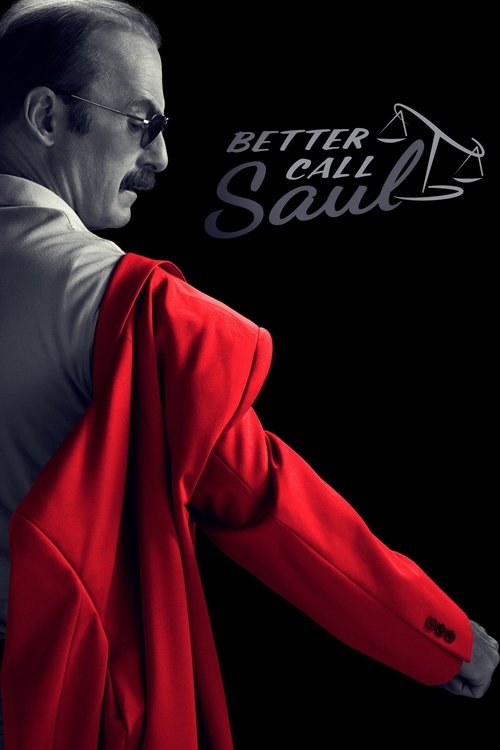
Watching Jimmy McGill dissolve into black-and-white felt like tuning back into Studio One on an ancient Philco tube. The final season stripped away prestige polish and trusted stark, monochromatic contrast, letting Bob Odenkirk’s face tell the entire legal disaster. It understood how live teleplays once used silence and claustrophobic framing to squeeze the soul. The courtroom confession was pure Sidney Lumet theater. Jimmy chose prison bars over freedom, earning a grace note broadcast rarely dares attempt anymore.
#3
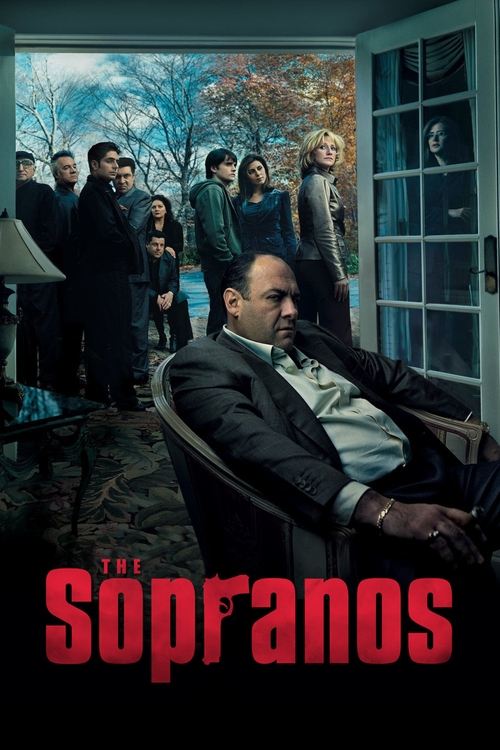
The Sopranos
David Chase ended his mob saga by doing what live broadcast engineers used to fear most: an abrupt drop to absolute black. That sixth season dragged Tony through hospitals and ruined suburban dens, playing like Paddy Chayefsky writing for cold-blooded killers. It discarded tidy wrap-ups for the messy, sudden dread of real life. When the screen cut out in Holsten’s diner, people thought their cable boxes blew a fuse. It was the boldest broadcast blackout since 1957.
2 critics · 72 lists →
#4
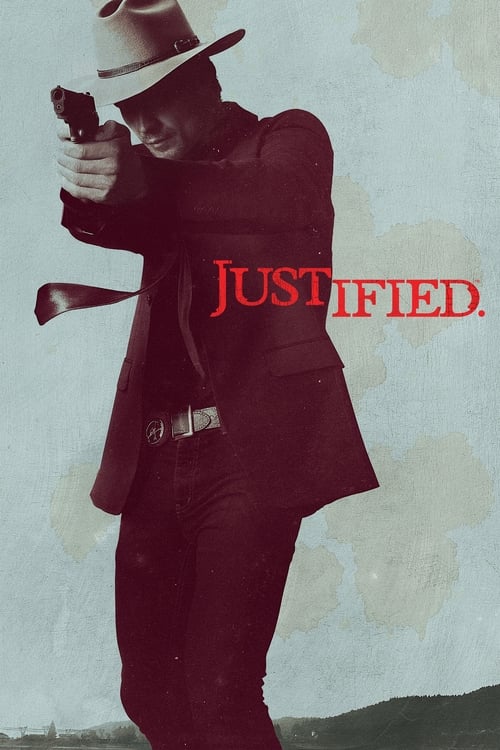
Justified
Back in 1958, television ran wall-to-wall on Western morality, from Gunsmoke to Have Gun – Will Travel. Raylan Givens and Boyd Crowder closed their account by honoring that exact lineage. The final season pared away the distractions, building toward a showdown rooted in talk rather than cheap pyrotechnics. Their final conversation through prison glass gave me the same ache as the old prairie twilight shootouts. They dug coal together, and broadcast dialogue never sounded sweeter or sharper.
#5
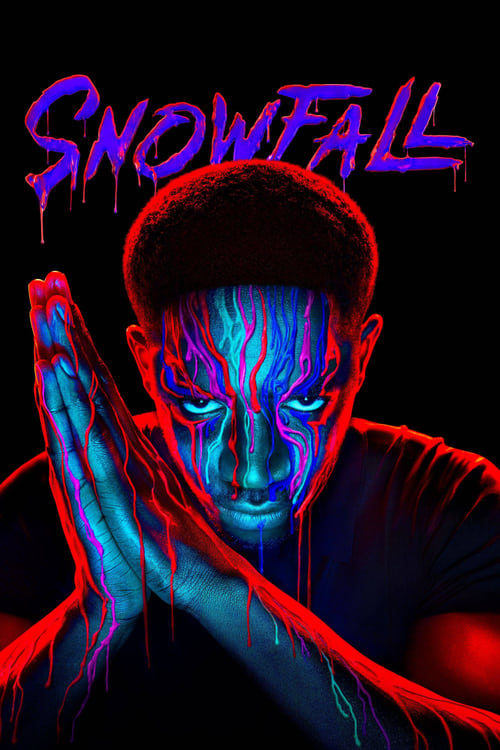
Snowfall
Franklin Saint’s final descent carried the bitter weight of a classic 1970s social realism teleplay. The show refused any glamorous criminal sunset, instead showing the wreckage of an empire and an addicted neighborhood. Damson Idris played that final unraveling with theatrical fury, wandering the cracked pavements like an exile from a lost Reginald Rose drama. Franklin ending up an empty drunk on the corner was a merciless, necessary finale that modern networks rarely have the guts to air.
#6
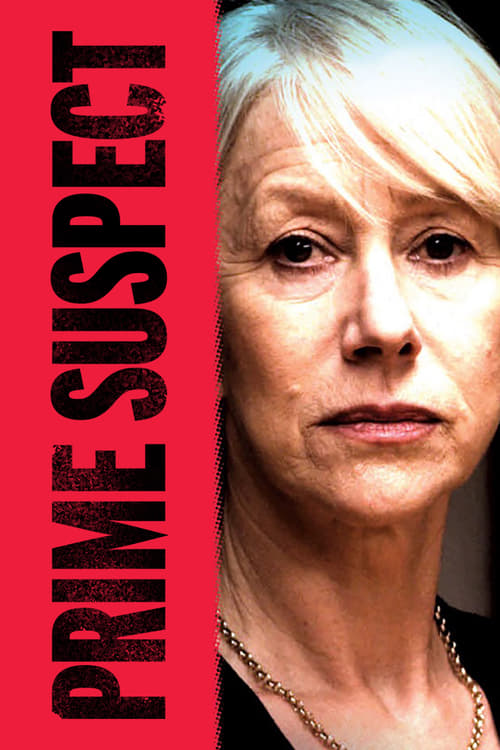
Prime Suspect
Jane Tennison went out smelling of stale cigarettes and gin, exactly as she lived. The final chapter, The Final Act, had the austere, gray-carpeted bleakness of classic British videotape drama from the Thames Television heyday. Helen Mirren played Jane's alcoholism without vanity or television lighting tricks, exposing every lined, weary contour of a detective running on fumes. Watching her dance alone before handing in her warrant card gave this procedural the aching weight of an authentic wake.
#7
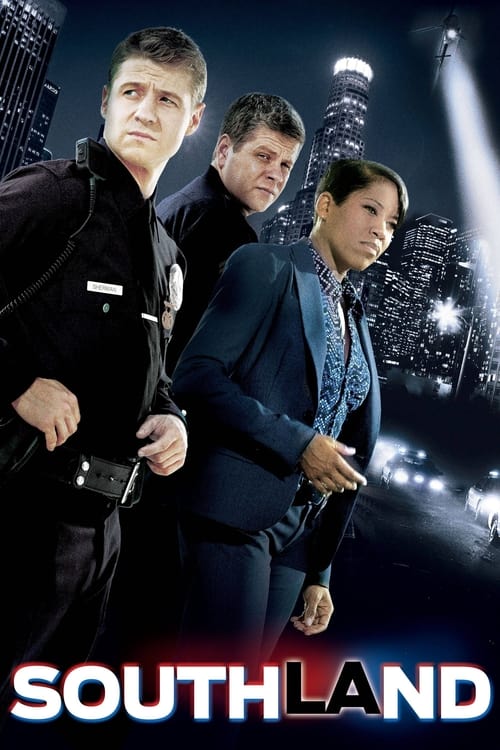
Southland
Before it was unceremoniously dropped, Southland captured the frantic panic of street-level patrol work like an unrestrained remote broadcast van. The fifth season drove Michael Cudlitz’s John Cooper straight into the pavement. Handheld lenses caught the smog and sweat, discarding slick Hollywood chases for the brutal chaos of live 1960s news coverage. Cooper getting shot by his own neighbors was a gut-punch conclusion. It left blood on the asphalt and reminded us that survival is never guaranteed.
#8
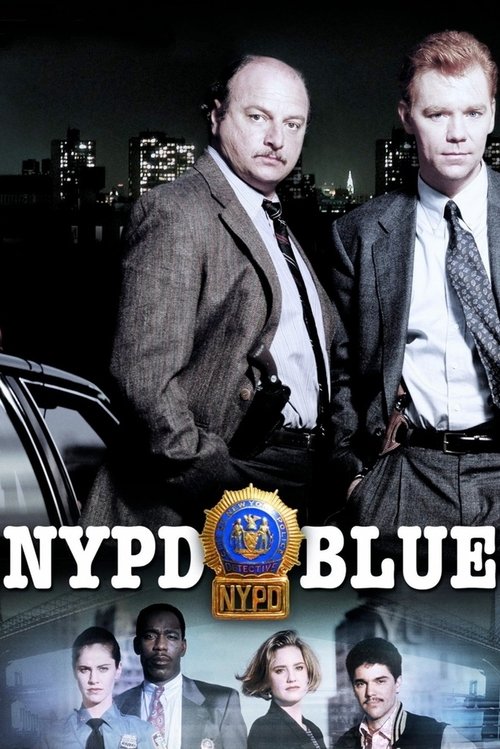
NYPD Blue
Steven Bochco reinvented the network cop hour, but Andy Sipowicz ended it by anchoring the 15th Precinct like a granite monument. The twelfth season did not rely on flashy shootouts; it focused on grief, seniority, and desk duty. Dennis Franz sitting alone in the squad commander’s office, phone ringing as the camera pulled back, felt like a respectful nod to Dragnet and Naked City. It was an honorable, deeply felt sign-off for broadcast television's greatest flawed detective.
2 critics · 2 lists →
0 / 8