#1
Spider-Man: Brand New Day
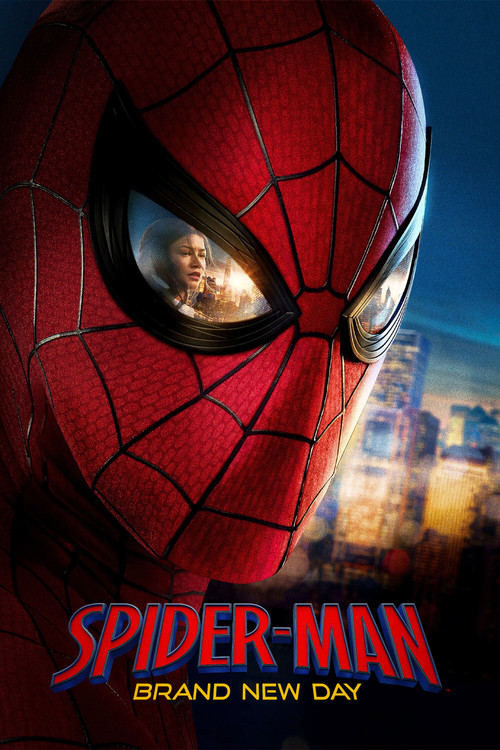
Peter Parker operating under total civilian erasure gives us pure identity divergence. Released in July, the text commits to the fallout of nobody remembering Peter, turning his crime-fighting routine into an isolating obsession. Watch how his isolation feeds an internal transformation he cannot govern. That internal split becomes his sole weapon against an unseen, invisible adversary targeting his old circle. Canon stakes hinge on whether Peter survives the shift required to fight a threat nobody can spot.
#2
Batman: Mask of the Phantasm
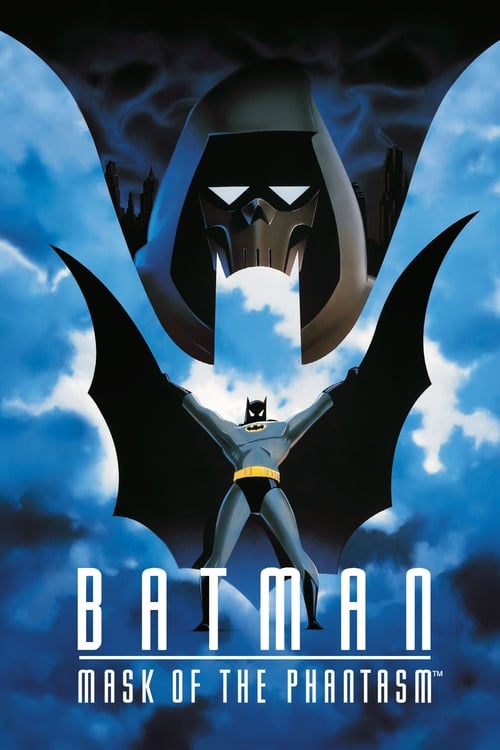
Track the chronological breaking point in Bruce Wayne's mythos right to that rainy cemetery scene. Begging his parents' headstones for release because happiness threatens his oath is the sharpest thesis on heroic identity ever animated. Andrea Beaumont mirrors his grief, functioning as an exact narrative foil who chooses vengeance instead of restraint. Look at the smoke visual motifs: the Phantasm vanishes through mist while Batman emerges from it. That stylistic symmetry defines their entire shared timeline.
#3
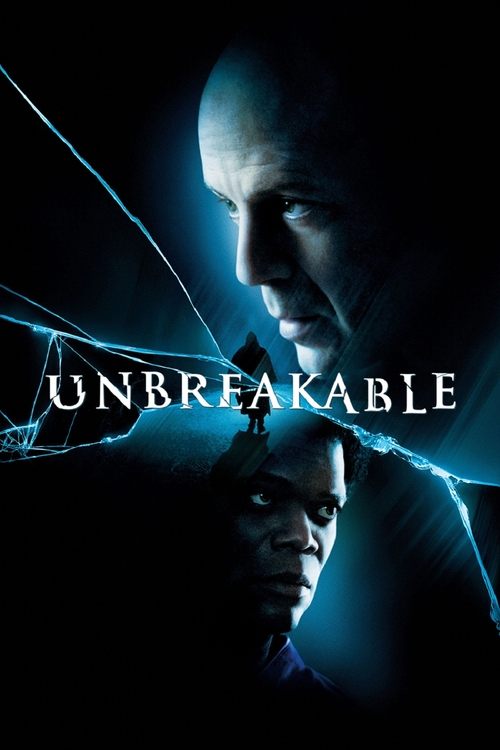
Unbreakable
M. Night Shyamalan builds a comic thesis disguised as grounded domestic drama. Watch the recurring visual framing: Elijah Price is coded in purple angles and fragile glass, while David Dunn is framed in heavy green security ponchos and rounded shapes. The lore operates on strict mythic binary theory. Elijah’s bone disease demands an inverse physical absolute, meaning David's entire awakening hinges on surviving the Eastrail 177 crash. That final gallery handshake locks the continuity together with devastating thematic logic.
#4
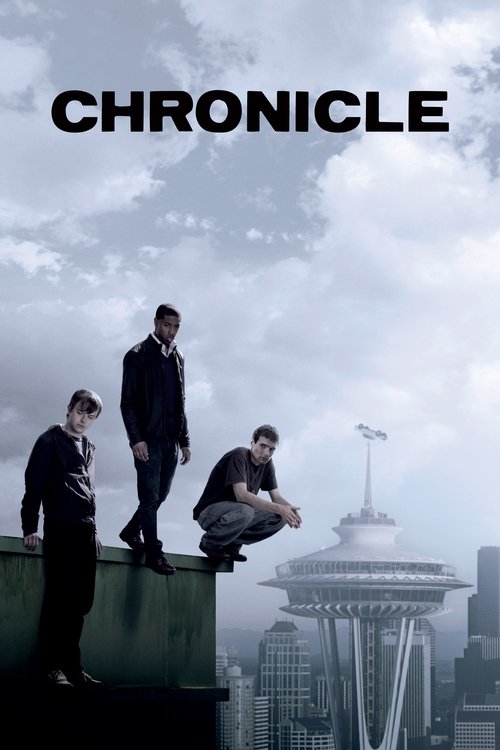
Chronicle
Josh Trank uses diegetic camera movement to chart Andrew Detmer’s descent into supervillainy. Notice how the cinematography evolves: the camerawork starts shaky and handheld, then stabilizes into smooth, floating telekinetic rigs as Andrew’s power grows. The camera becomes an explicit extension of his ego. His "apex predator" monologue atop the Space Needle formalizes his moral break, answering the classic comic origin with raw psychological collapse. It is a terrifying breakdown of how trauma weaponizes absolute power.
#5
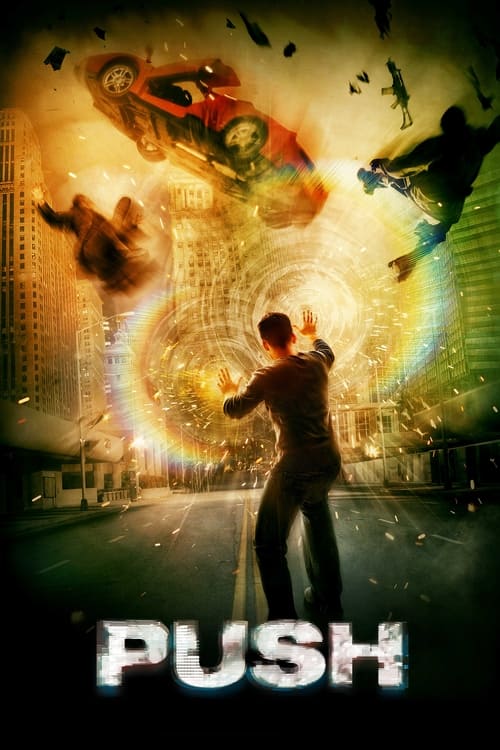
Push
This script builds some of the densest lore in modern genre cinema. The taxonomy of psychic gifts—Movers, Pushers, Watchers, Sniffs—establishes rigid rules without hand-holding exposition. Pay attention to Cassie’s drawings and Nick’s sealed envelope gambit. They exploit the temporal blind spots of precognitives, waging guerilla warfare against the Division. It constructs a grim espionage underground where human identity is fragile, easily wiped or rewritten by memory-altering telepaths in a single breath.
#6
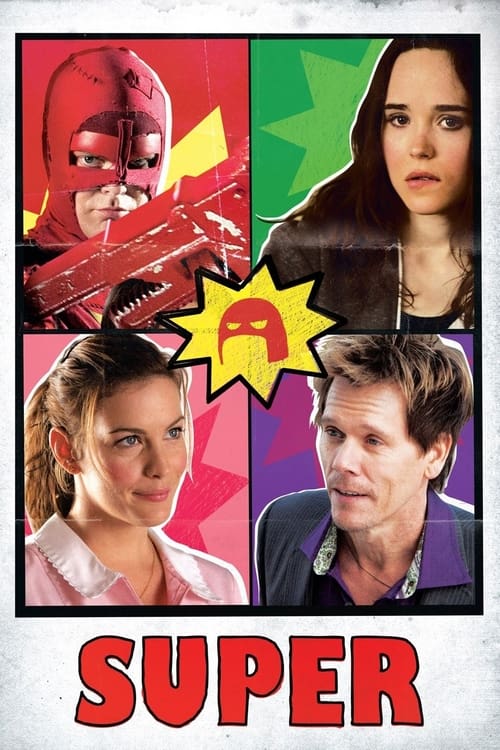
Super
James Gunn tears the romantic sheen off costumed vigilantism with surgical cruelty. Frank Darbo’s descent into becoming the Crimson Bolt starts with a grotesque hallucination—the finger of God opening his brain—which he interprets as divine mandate. Watch the weapon choice: a hardware-store pipe wrench. There is no high-tech gadgetry, only messy, horrifying violence against line-cutters and drug dealers alike. Boltie’s reckless escalation exposes the lethal pathology behind the masked-avenger trope, subverting comic morality completely.
0 / 6