

#1
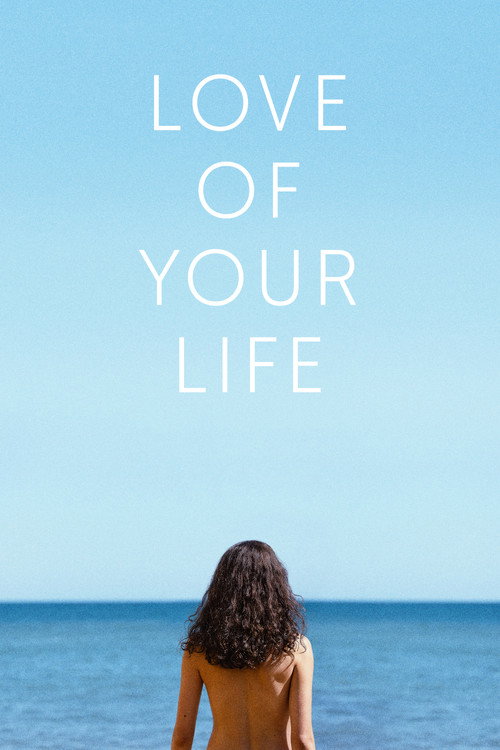
Love of Your Life
Maya's sudden upheaval after a chance encounter hit theaters last week, and it serves up a sweeping romance that demands a proper theatrical presentation. If you catch it on some crushed streaming encode, you lose the texture of real human drama. Modern moviegoers forget that genuine emotional recovery on screen needs room to breathe, patient pacing, and a sound mix that favors hushed line deliveries instead of overcooked wall-to-wall synth swells in the rear channels.
#2
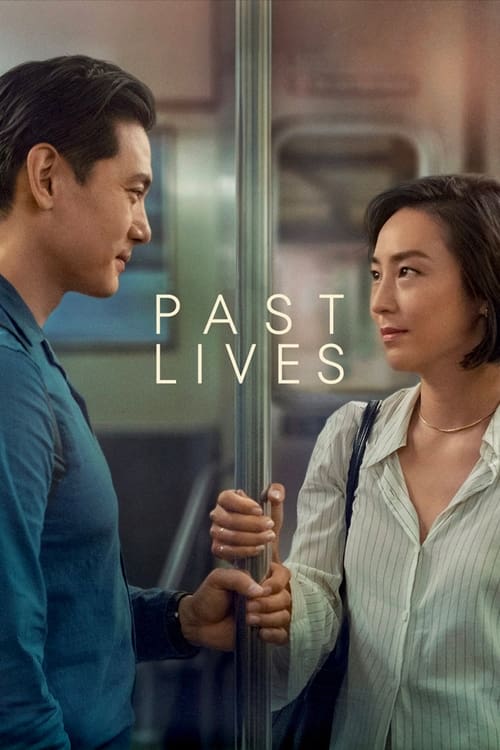
Past Lives
Celine Song shot this on 35mm, and you can spot that organic grain from a mile away. It gives the quiet street scenes in New York and Seoul a tangible weight you never get with flat digital sensors. The cuts are deliberate, holding on silent glances without rushing to the next setup. Buy the 4K disc; streaming bands the hell out of those moody evening shadows and smears the fine detail right out of the actors' faces.
4 critics · 26 lists →
#3
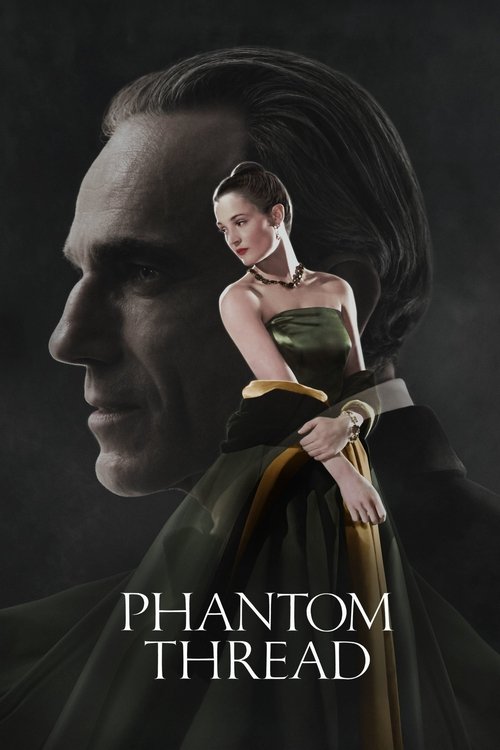
Phantom Thread
Paul Thomas Anderson used vintage lenses and pushed 35mm stock to bathe Reynolds Woodcock's claustrophobic London townhouse in heavy grain. You can practically feel the wool and silk through the screen. And that Jonny Greenwood score gets cut right into the room tone, balancing delicate harpsichord against sharp clinking cutlery. Pulling focus on those couture stitches takes real optical skill. Modern productions would slap down an ugly green screen and blur the background in post instead.
#4

Modern Romance
Albert Brooks understood editing better than almost anyone, playing a neurotic film editor obsessing over trims in a cutting room. The movie is packed with glorious shots of flatbed Steenbeck editors, splicing blocks, and magnetic audio tape. You hear every scrape of the razor blade against celluloid. His toxic jealousy plays out in excruciating, uninterrupted long takes that refuse to let the audience off the hook. Find an older physical copy with Brooks' dry, unsparing audio commentary.
#5
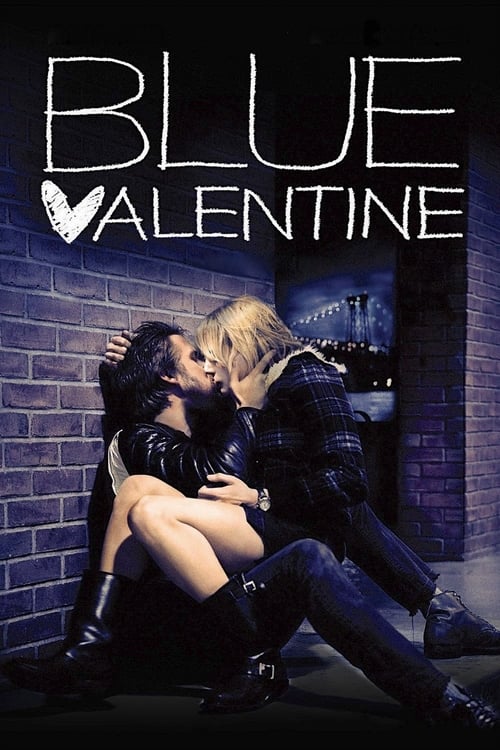
Blue Valentine
Derek Cianfrance made a smart technical decision here by shooting the youthful past on super 16mm and the decaying present on digital video. That 16mm footage has an immediate, grainy intimacy, capturing raw skin textures under direct daylight. The audio track avoids syrupy strings, leaning into ugly room acoustics and unvarnished vocal cracks. You do not get that kind of tragic emotional friction without honoring how distinct formats capture light, flesh, and heartbreak across time.
2 critics · 3 lists →
#6
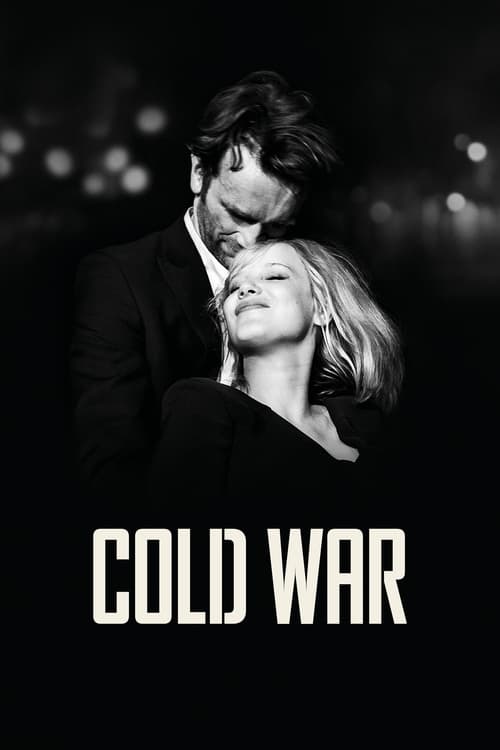
Cold War
Pawel Pawlikowski framed this tumultuous romance in a boxy 1.37:1 Academy ratio, and Lukasz Zal's black-and-white cinematography is pure silver-screen wizardry. The contrast curve is razor-sharp, with deep, velvety blacks and searing whites that cheap streaming bitrate simply turns into mushy macroblocking. The live folk choir arrangements crackle with analog warmth through the speakers. Every cut lands like a heavy door slamming shut, jumping across decades without wasting a single spare frame on pointless exposition.
#7
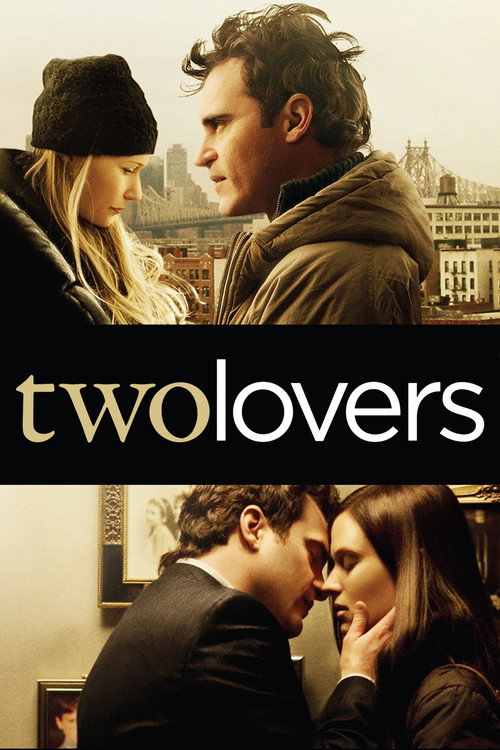
Two Lovers
James Gray shot this gloomy Brighton Beach tragedy on 35mm anamorphic, letting the dim winter light bounce off brownstone hallways and chilly seaside boardwalks. Joaquin Phoenix gives a twitchy, physically awkward performance that blooms under Gray's patient lens choices. The audio mix lets mundane apartment sounds like rattling steam pipes and clattering plates drown out unspoken words. Skip the compressed cable broadcast and dig up the old Blu-ray release, which includes a solid director commentary breaking down the lighting.
0 / 7