

#1
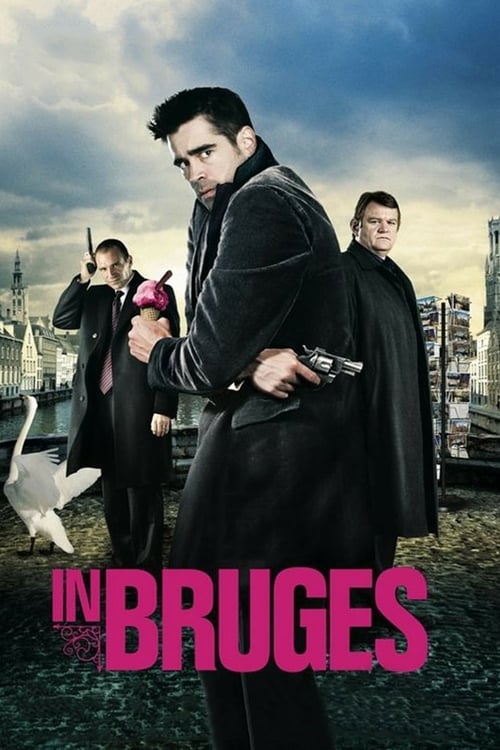
In Bruges
Look at the Groeningemuseum sequence. When Ray obsesses over Hieronymus Bosch’s The Last Judgment, pay attention to the specific torment panel showing a sinner awaiting execution under a red-tinged arch. Martin McDonagh frames Ralph Fiennes’s Harry under that exact archway architecture during the finale. Bruges operates literally as purgatory. Harry represents the presiding demon collecting debts, while Ken functions as Saint Peter guarding the gate. The spatial geography maps onto medieval theological diagrams from scene one.
#2
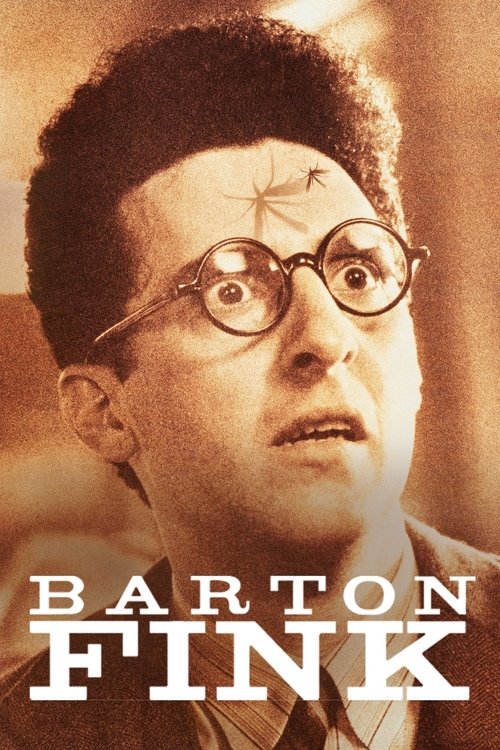
Barton Fink
Notice the shoes lined up outside the hallway doors at the Hotel Earle. Those polished empty shoes silently replicate Holocaust archival imagery, specifically the piles outside gas chambers. The Coen Brothers reinforce this dread by pairing peeling, weeping wallpaper glue with distant wailing audio cues buried deep in the sound mix. Charlie Meadows represents active fascism occupying the adjacent room while Barton writes detached proletarian drivel. The hotel hallway foreshadows real atrocities happening concurrently across Europe.
2 critics · 3 lists →
#3
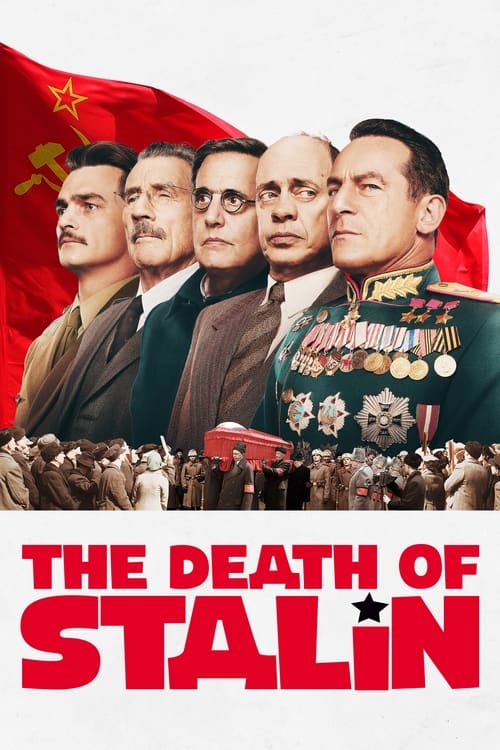
The Death of Stalin
Armando Iannucci keeps execution squads firing in the background of everyday bureaucratic disputes. During the early Kremlin transitions, listen underneath Steve Buscemi’s frantic dialogue. Gunshots crack rhythmically behind double doors down the corridor. NKVD officers calmly tick names off casualty lists while ministers bicker about funeral flower arrangements. Simon Russell Beale’s Beria casually clutches slips of paper detailing executions ordered minutes earlier. The horrific reality of the Great Purge is never paused; it literally runs on schedule.
#4
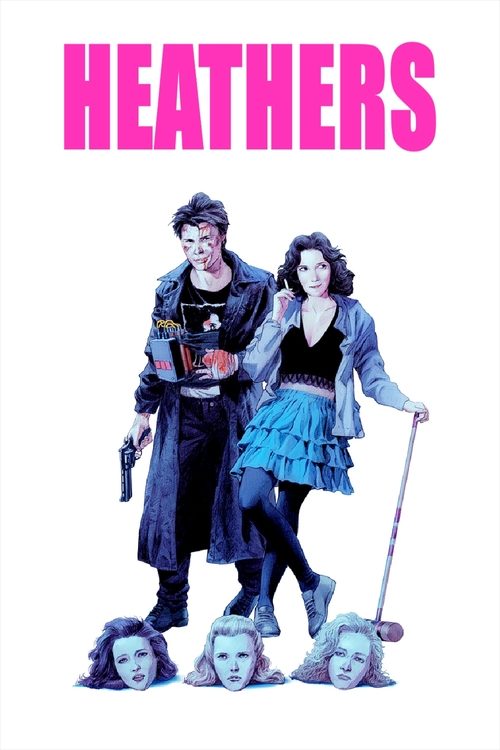
Heathers
Track the props surrounding J.D. before the boiler room climax. When Veronica visits his house, look past the dialogue to his father’s architectural blueprints spread across the table. Big Bud Dean Demolition actively informs his son's worldview. Christian Slater models his vocal cadence directly on his father, while the living room contains precise demolition schematics for Westerburg High. J.D. was weaponized by his domestic environment early on. The school massacre was preplanned domestic terrorism from day one.
2 critics · 5 lists →
#5
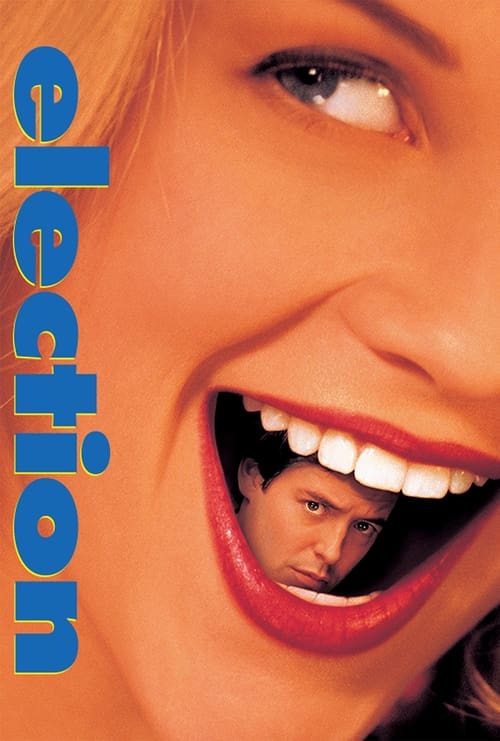
Election
Examine Dave Novotny’s domestic wreckage playing out in incidental shots. Alexander Payne nests sexual predation into the mundane setting. When Jim visits Dave’s depressing apartment, Dave is reading teen magazines while his life rots. Meanwhile, back at Carver High, check the hallway bulletin boards. Tracy’s campaign flyers replace student welfare announcements, and the faculty lounge corkboard reveals school administrators knew about the student affair long before Dave got fired. The institutional complicity is quietly documented across background walls.
#6
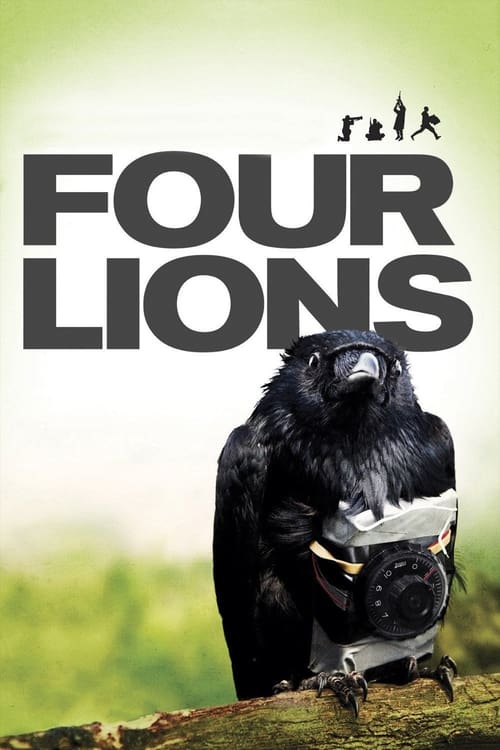
Four Lions
Pay close attention to Omar’s son, Sofyan, during the kitchen sequences. Chris Morris frames the boy casually helping his father measure out lethal chemicals between routine homework assignments. Look behind them: the kitchen shelves display children’s books with handwritten jihadist parables rewriting The Lion King. Omar’s family normalized suicidal martyrdom as cheerful domestic bedtime folklore. While audience members laugh at Waj mixing bleach with a wooden spoon, the background demonstrates that the next generation is already ideologically primed.
#7
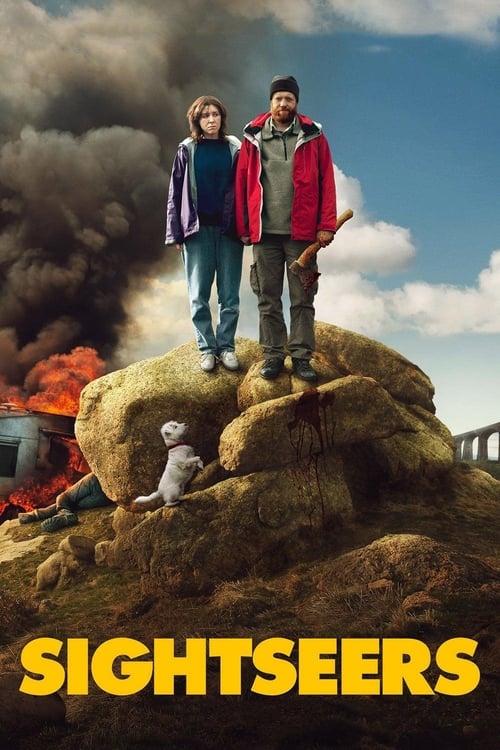
Sightseers
Pause on Chris’s sketchbook whenever he sketches landscapes inside the caravan. Ben Wheatley sneaks in meticulous drawings of potential victims and murder methods dated weeks before Tina joins the road trip. Chris operates as an active serial predator scouting execution grounds under the guise of heritage tourism. Tina enters an existing trap rather than awakening a dormant monster. His map coordinates already pinpointed the Crich Tramway Museum long before anyone dropped litter on his pristine shoe.
0 / 7