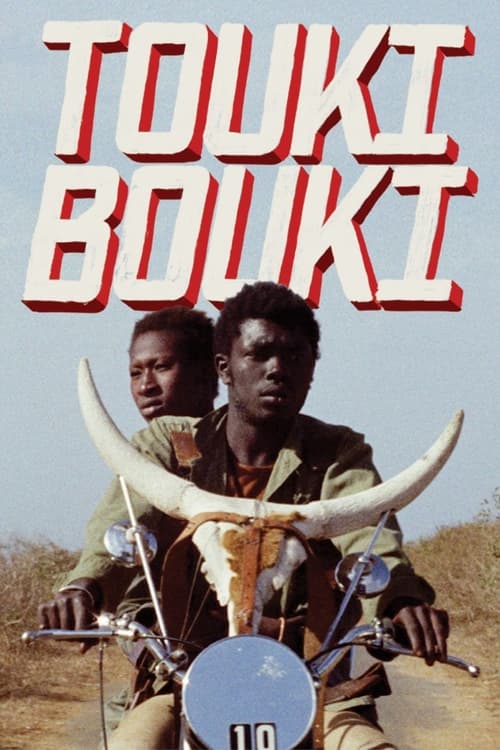
Djibril Diop Mambéty’s avant-garde Senegalese masterpiece is a vibrant, audacious cinematic poem. Following a young couple dreaming of escape from Dakar to Paris, the film blends French New Wave aesthetics with African folklore and imagery. It’s a powerful, albeit often chaotic, reflection on post-colonial disillusionment, the allure of the West, and the tension between tradition and modernity. Mambéty’s distinctive, visionary style creates an intoxicating, often surreal, commentary on identity and aspiration.
from “8 Unsung Cinematic Treasures That Deserve Reappraisal” →
Djibril Diop Mambéty's 1973 Senegalese film "Touki Bouki" is a wild, visually audacious ride. It follows two young lovers dreaming of escaping Dakar for Paris, a vibrant, surreal critique of post-colonial disillusionment and the allure of the West. This isn't your typical narrative; it's a raw, energetic, and deeply symbolic work that challenges Western cinematic conventions. Expect something profoundly different and culturally significant that few recommendation engines would ever surface.
from “The Algorithm Won't Show You These: 6 Underrated Films for a Global Perspective” →
Djibril Diop Mambéty’s avant-garde classic from Senegal is pure cinematic energy. It follows Mory and Anta, a young couple trying to escape Dakar for a mythical Paris. This film is a wild, experimental ride, blending surrealism with sharp post-colonial commentary on identity and dreams. It’s audacious, visually inventive, and an essential piece of African cinema.
from “12 Movies That Weren't on Your FYP But Should Be” →