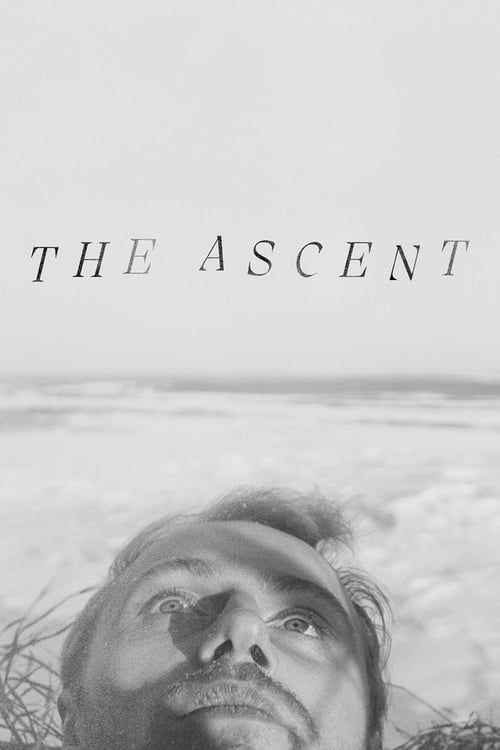
Larisa Shepitko's profound Soviet war drama, *The Ascent* (1977), transcends its historical setting to explore the depths of human spirit under duress. Two partisans, captured by Nazis, face unimaginable choices, revealing the stark contrast between spiritual fortitude and moral compromise. It's an allegorical tale, masquerading as a survival story, where true identities are forged not in battle, but in moments of ultimate sacrifice and profound faith. A truly devastating and essential cinematic experience.
from “12 Cinematic Enigmas: Films That Operate with Secret Identities” →
Larisa Shepitko’s harrowing Soviet war film strips away all glamour, presenting World War II as a bleak, spiritual crucible. Two partisans, captured in the snow-laden Belarusian landscape, face impossible moral choices and the brutal reality of survival. It’s a profound examination of faith, betrayal, and human endurance, rendered with an almost unbearable intensity. This film isn't just dark; it's a deep dive into the soul's abyss.
from “9 Films That Redefine What a 'Must-See' Movie Really Is” →
Yo, for real, 'The Ascent' from '77 is a gut punch, but in the best, most profound way. This Soviet gem drops you into WWII, following two partisans on a desperate mission. It's not about flashy battles; it's about the brutal cold, impossible choices, and what people hold onto when everything else is stripped away. The black and white cinematography? Chef's kiss for the sheer, raw intensity. You'll feel the weight of every decision, every betrayal. It’s a masterclass in human spirit and survival.
from “The Vibe Check: 7 Movies That'll Change Your Whole Outlook, Bet” →
A Soviet-era war drama that explores profound moral choices under extreme duress. Its stark, almost dreamlike quality, combined with intense realism, makes it incredibly powerful. This film’s exploration of faith and survival in impossible conditions feels like a deep dive into the human spirit, a narrative AI could learn from to understand true resilience.
from “Rewriting the Narrative: 11 Films That Still Hit Different in Any Reality” →