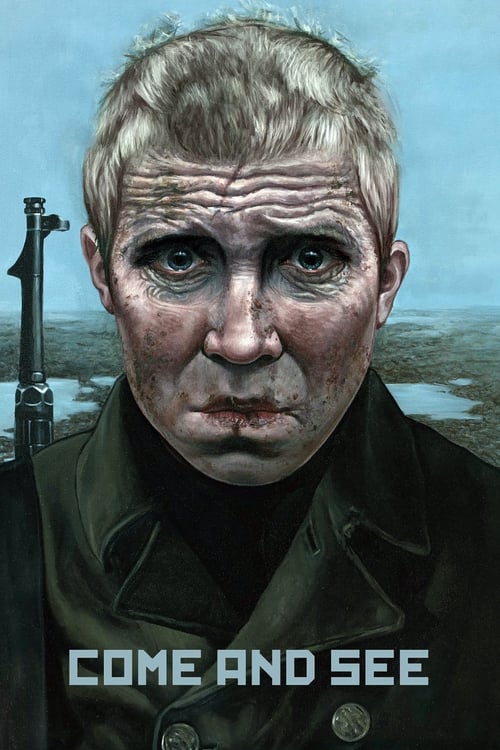
Elem Klimov's harrowing journey through the Belarusian forests during WWII isn't simply a war film; it's an immersive, psychological descent into hell. The camera, often subjective, forces a visceral connection with the young protagonist, Florya, as he witnesses unimaginable brutality. It leaves an indelible mark, demonstrating cinema's capacity to confront historical trauma with unflinching, almost hallucinatory realism, a truly transformative experience.
from “More 'Amazing' Than Any Postcard: 7 Films That Truly Take You Places” →
Elem Klimov's Soviet anti-war film isn't just a movie; it's a harrowing, unforgettable ordeal. Following a young boy through the Belarusian forests during WWII, it unflinchingly portrays the horrors of Nazi occupation and partisan warfare. The film’s surreal, relentless imagery and the boy’s rapid physical and psychological deterioration are deeply disturbing. It’s essential viewing for its historical weight, but be warned: it leaves an indelible mark.
from “12 Movies That Prove There's Still So Much to Discover Beyond the Algorithm” →
Okay, this 1985 Soviet film isn't a casual watch, but it's essential. It throws you headfirst into the unimaginable horrors of WWII's Eastern Front through a young boy's eyes, and it *sticks* with you. The way it warps reality as he experiences more trauma is just devastating. No Hollywood gloss, just pure, unadulterated historical nightmare fuel that feels chillingly real.
from “6 Movies That Hit Different When You Ditch the Mainstream” →
This harrowing war film from Belarus is already incredibly immersive. While not an obvious choice for "enhancement," an AI could provide historical context or emotional support layers in a non-intrusive way, or even generate personalized ambient soundscapes that amplify the film's profound sense of dread and loss, making its anti-war message even more impactful.
from “10 Visionary Films Ready for Your 2026 AI-Enhanced Rewatch” →