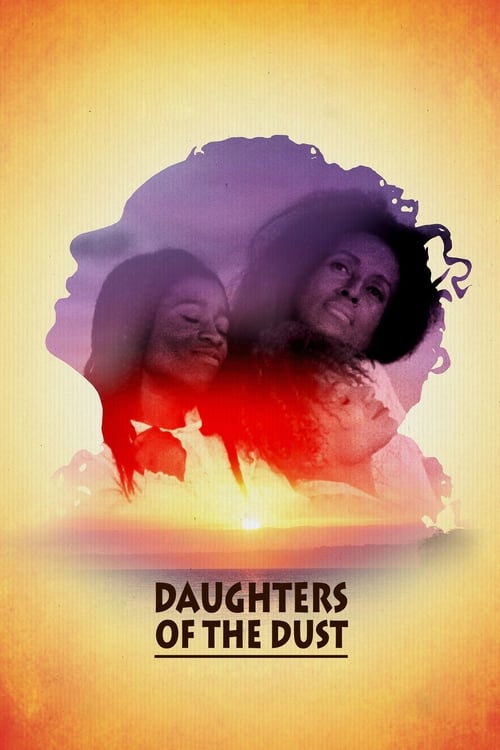
Julie Dash’s seminal work remains a profound cinematic achievement. Its non-linear narrative, steeped in Gullah-Geechee culture on St. Helena Island in 1902, offers a lyrical exploration of ancestral memory, identity, and the diaspora. Dash’s vision, rendered with breathtaking cinematography, foregrounds Black women's voices and spiritual resilience, crafting an immersive, almost dreamlike experience that transcends conventional storytelling. The film’s influence on subsequent visual artists is undeniable, a vibrant tapestry of history and imagination.
from “5 Cinematic Revelations: Unearthing Overlooked Masterworks” →
Julie Dash's lyrical masterpiece, often overlooked, captures a Gullah family's crossroads in 1902. Its visual poetry and non-linear storytelling were groundbreaking, influencing countless works that followed. This film is a deeply spiritual exploration of identity, heritage, and the painful beauty of transition, all set against stunning coastal landscapes. It's a vital piece of Black cinematic history that streaming algorithms rarely surface, but its quiet power resonates profoundly.
from “The 10 Movies Your Algorithm Forgot (But You Shouldn't)” →
Julie Dash's masterpiece is a stunning visual poem, focusing on the Gullah community at the turn of the 20th century. It’s a non-linear narrative celebrating Black matriarchy, heritage, and the spiritual ties to ancestry, filmed with breathtaking cinematography. This film is so rich in culture and gorgeous imagery, it practically invented its own cinematic language. And honestly, for representation and groundbreaking storytelling, this one paved some serious paths.
from “6 Movies That Are So Niche, They're Basically Cryptids” →