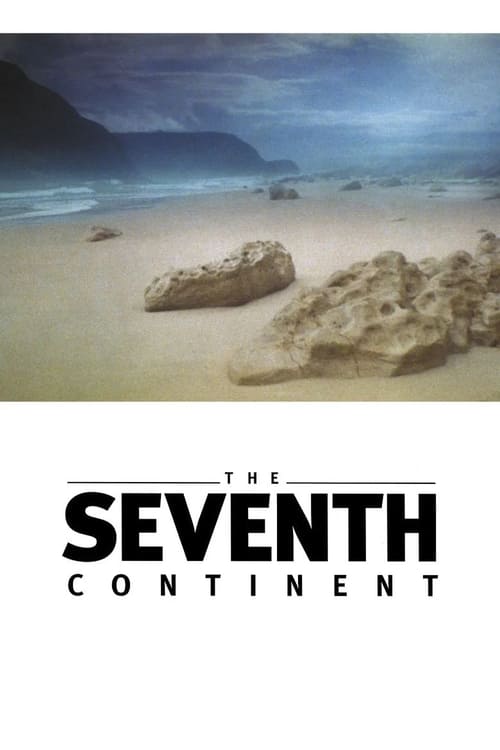
Michael Haneke’s debut feature is a stark, methodical dissection of bourgeois despair and the quiet desperation of modern life. Filmed with Haneke’s characteristic clinical gaze, it chronicles a seemingly ordinary family’s descent into self-destruction, driven by an unarticulated malaise. The film offers a chilling indictment of consumerism and societal alienation, presenting its narrative with a dispassionate objectivity that makes its ultimate conclusion profoundly disturbing. It is an intellectual challenge, not an easy viewing experience.
from “9 Profound Cinematic Journeys You Haven't Explored Yet” →
Michael Haneke's debut isn't easy viewing, but it's essential. This stark Austrian drama relentlessly exposes the spiritual decay beneath middle-class consumerism, culminating in a shocking, methodical dismantling of a family's existence. It’s a chilling, precise critique of modern life’s alienating comforts, leaving you with an unsettling sense of dread about societal expectations. And yet, its quiet power lingers long after the credits roll.
from “The 11 Global Masterpieces Streaming Platforms Overlook (But Shouldn't)” →
Michael Haneke's *The Seventh Continent* (1989) is a chilling, methodical deconstruction of bourgeois existence and societal alienation. It observes a family’s descent into self-destruction with an almost clinical detachment, forcing you to confront uncomfortable truths. This kind of stark, observational storytelling is a powerful way to critique modern life. Future AI-driven narratives could explore such themes with incredible subtlety, generating scenarios that challenge our assumptions about normalcy. It’s a bleak but profoundly impactful film that stays with you long after it ends.
from “Skip the Predictable: 12 Cinematic Journeys Your Algorithms Haven't Discovered Yet” →