
1 / 12
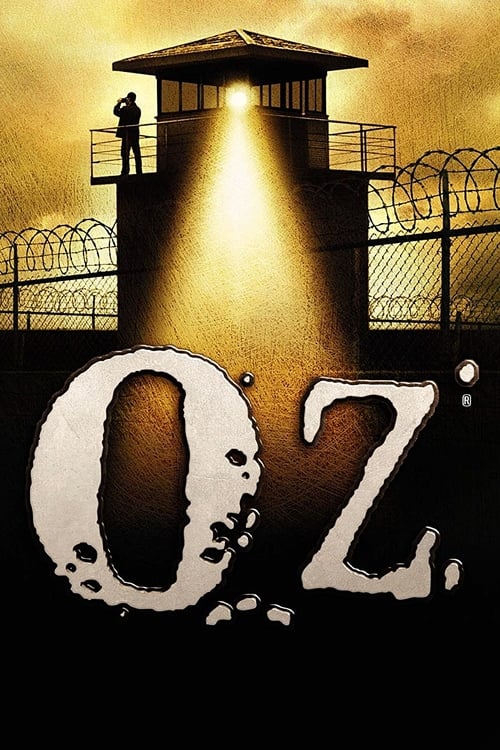
1. Oz
This wasn't just a prison drama; it was HBO dropping a bomb. Brutal, uncompromising, and serialized like nothing before it on basic cable. They weren't afraid to get dirty, to show consequences, to have characters you loved and hated in equal measure. It was a clear signal that television could be as complex, dark, and adult as any big-screen flick, laying groundwork for the prestige TV we know now.
2 / 12
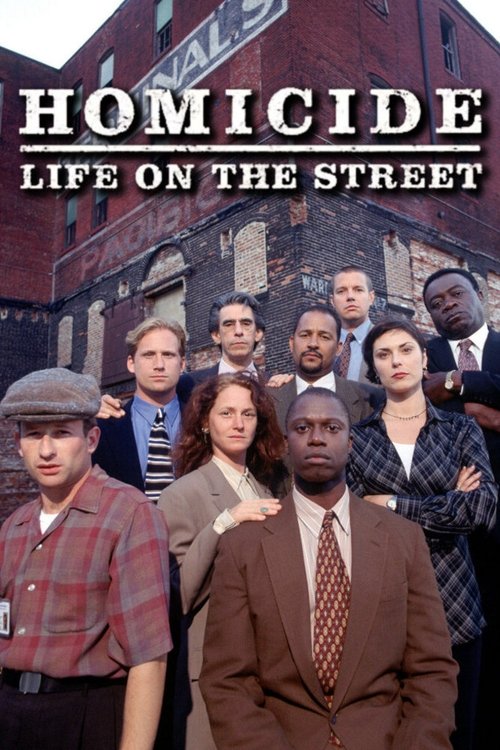
2. Homicide: Life on the Street
Before anyone was talking 'cinematic TV,' *Homicide* was doing it on network. Gritty, handheld cameras, overlapping dialogue – it felt like you were right there in that Baltimore squad room. It showed the messy, serialized reality of detective work, not just neat case-of-the-week solutions. This show proved network dramas could be smart, character-driven, and unflinchingly real.
3 / 12
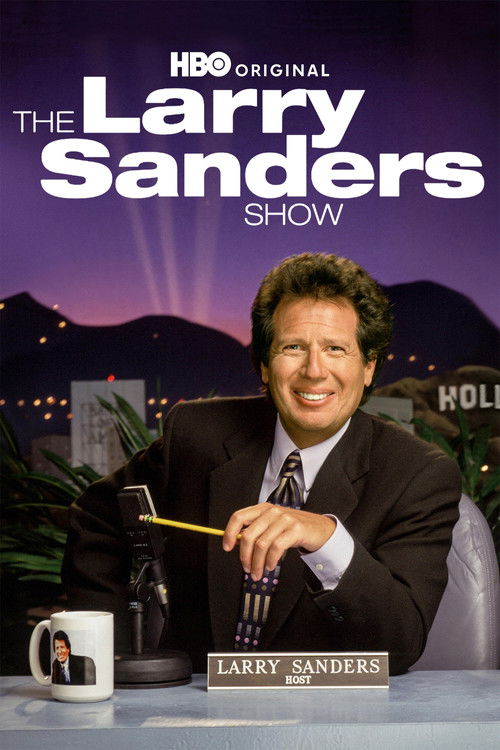
3. The Larry Sanders Show
This was the original mockumentary king, pulling back the curtain on late-night TV with brutal honesty and razor-sharp wit. Garry Shandling created a world so real, you almost forgot it was fiction. It perfected that cringe comedy and ensemble dynamic, showing the raw nerves and ego behind the smiles. It paved the way for so much of the smart, self-aware comedy that followed.
4 / 12
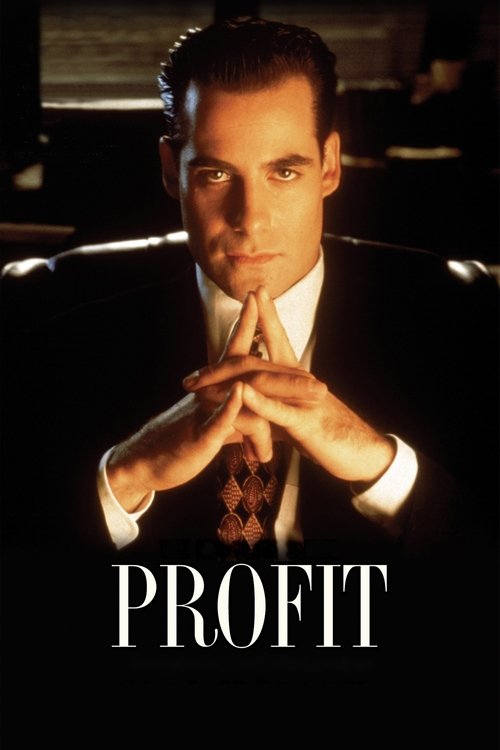
4. Profit
FOX's wild, dark horse. Jim Profit was an anti-hero before anyone was using that term, a corporate psychopath we were somehow supposed to root for. It was shocking, stylized, and utterly cynical about business. Too edgy for its time, maybe, but it showed how far television could push boundaries with a truly amoral protagonist. A cult classic that foreshadowed future cable anti-hero obsession.
5 / 12
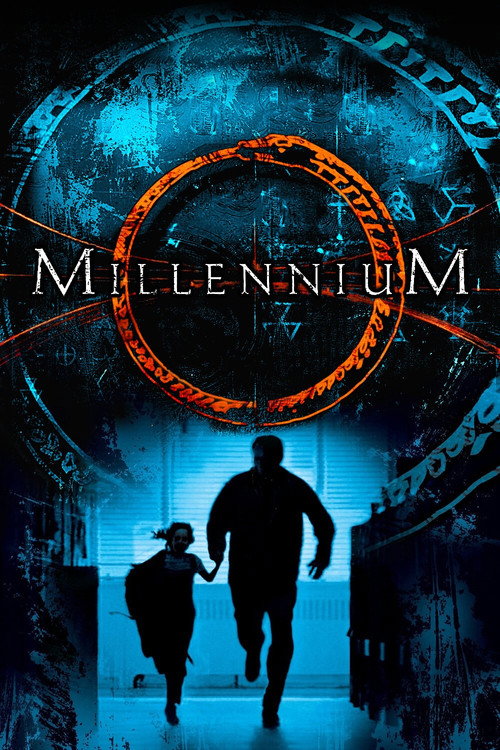
5. Millennium
Coming from Chris Carter, this was *The X-Files*' darker, more apocalyptic cousin. Frank Black saw the evil in people, and the show plunged into psychological horror and serialized dread. It wasn't about aliens; it was about the darkness within humanity and the coming millennium. It was moody, atmospheric, and an early example of really digging into serialized, thematic horror on network.
6 / 12
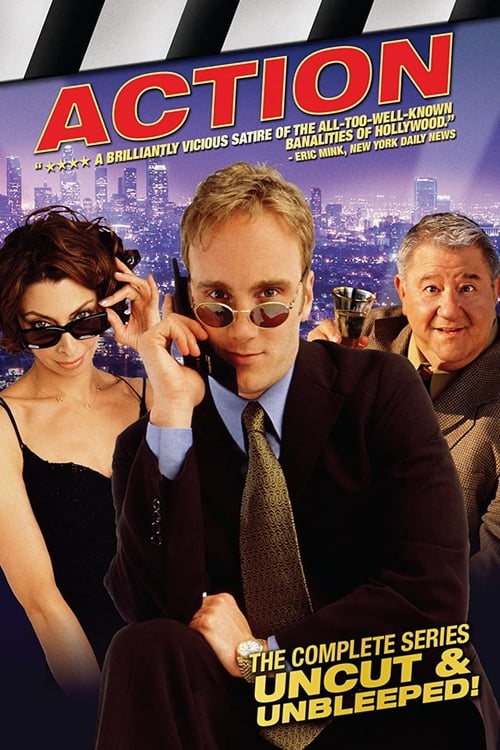
6. Action
Another network gem too ahead of its time. *Action* was a vicious, hilarious satire of Hollywood, starring a perpetually enraged producer who'd do anything for a buck. It was profane, cynical, and dared to make its characters utterly despicable, yet fascinating. This show was a masterclass in dark comedy, pushing network boundaries with its unflinching look at the industry's ugly underbelly.
7 / 12
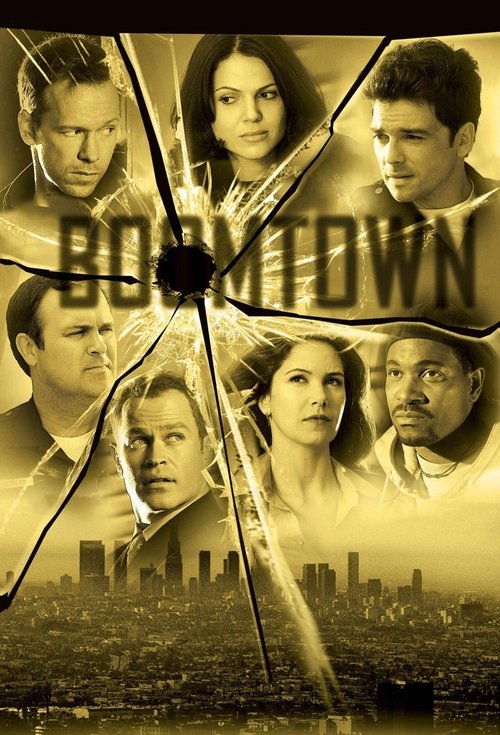
7. Boomtown
This show played with narrative structure like few others, presenting a single crime from multiple perspectives – cops, victims, perpetrators. It was ambitious, non-linear, and really made you think about the subjectivity of truth. A pre-streaming risk, it showed how television could experiment with storytelling forms, building a complex, character-driven mosaic rather than a simple procedural.
8 / 12
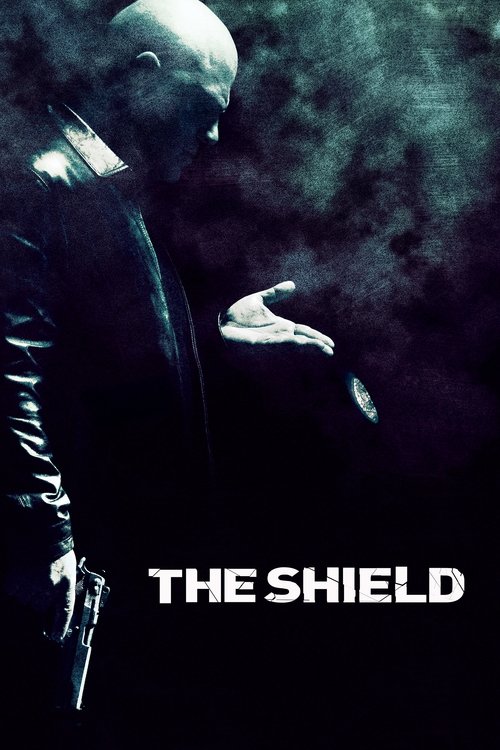
8. The Shield
FX threw down the gauntlet with Vic Mackey and the Strike Team. This was cable's answer to *Oz*'s grit, but with cops. Mackey was a brutal anti-hero, doing bad for perceived good, forcing viewers to confront moral ambiguities. Its serialized storytelling and raw, unflinching violence cemented FX as a major player in the emerging prestige drama space, proving cable wasn't just HBO.
9 / 12
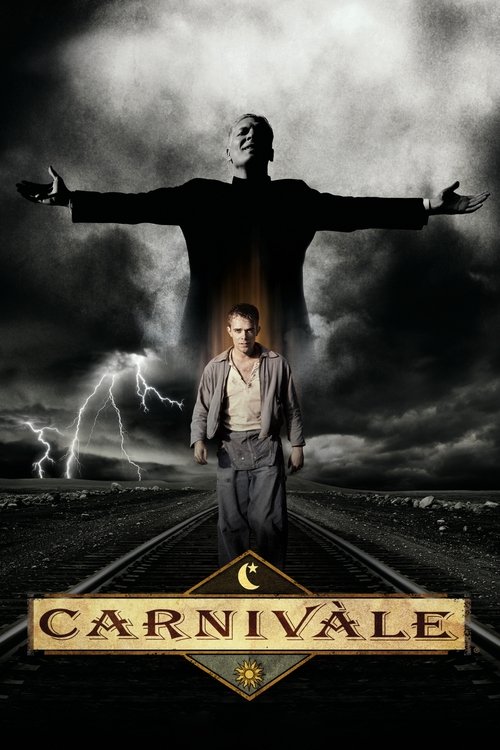
9. Carnivàle
HBO went all-in on atmosphere and mythology. Set during the Dust Bowl, this was a mystical, dreamlike, and incredibly dense serialized epic. It was slow-burn storytelling at its most ambitious, demanding patience and rewarding deep dives into its lore. Visually stunning and narratively complex, it pushed the boundaries of what a TV show could look and feel like, even if it ended too soon.
10 / 12
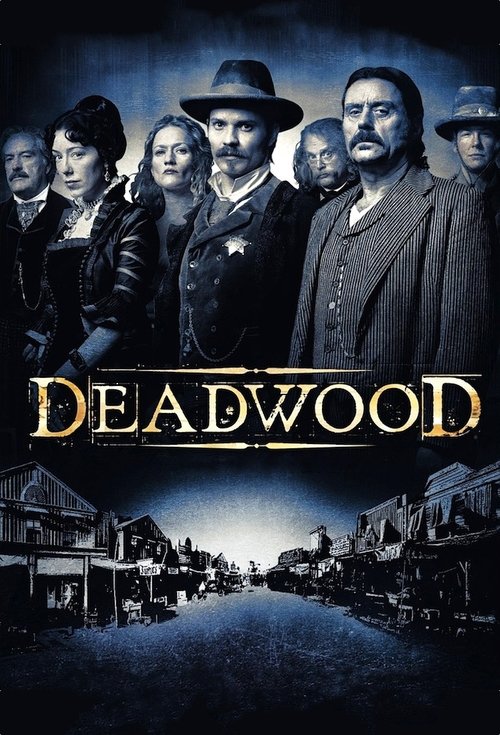
10. Deadwood
David Milch’s masterpiece. Unflinching, poetic, and hilariously profane, *Deadwood* brought the Old West to life with unparalleled realism and language. It was a truly serialized drama, focusing on character and community building over traditional plots. This show defined historical drama for a new era, proving that dialogue and character could be just as compelling as any gunfight.
11 / 12
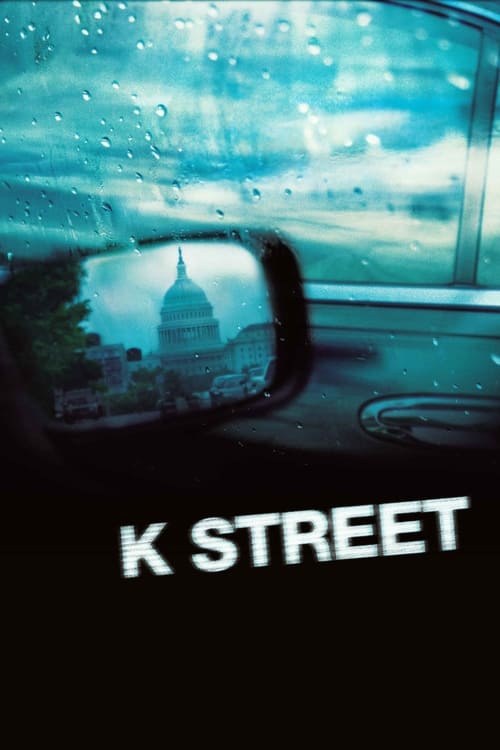
11. K Street
Soderbergh and Clooney's HBO experiment. This was something else entirely – a semi-improvised drama about Washington D.C. political consultants, blending real news footage and actual politicians. It was an early, daring dive into blurring lines between fiction and reality, anticipating the docu-drama style and rapid-response storytelling that would become more common with on-demand.
12 / 12
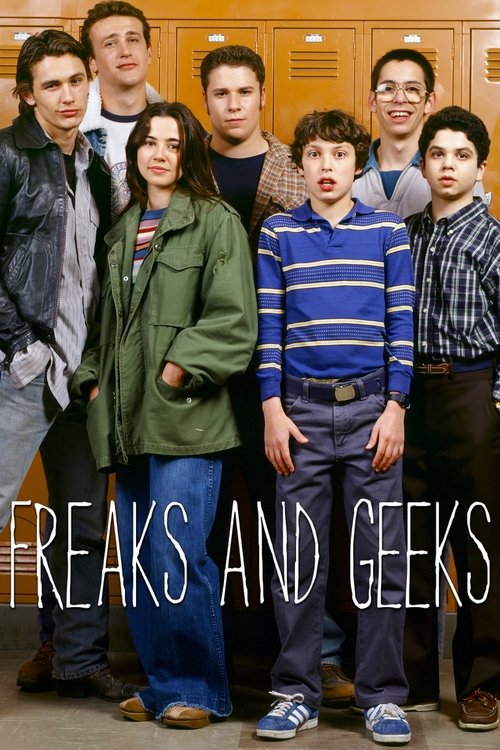
12. Freaks and Geeks
A network show that felt like indie cinema. It captured the awkward, painful, and hilarious reality of high school with brutal honesty and genuine heart. No easy answers, no tidy endings. It championed the outsiders and showed that character-driven realism, even in a comedy, could resonate deeply. A cult classic that influenced a generation of nuanced, coming-of-age stories.