
1 / 10
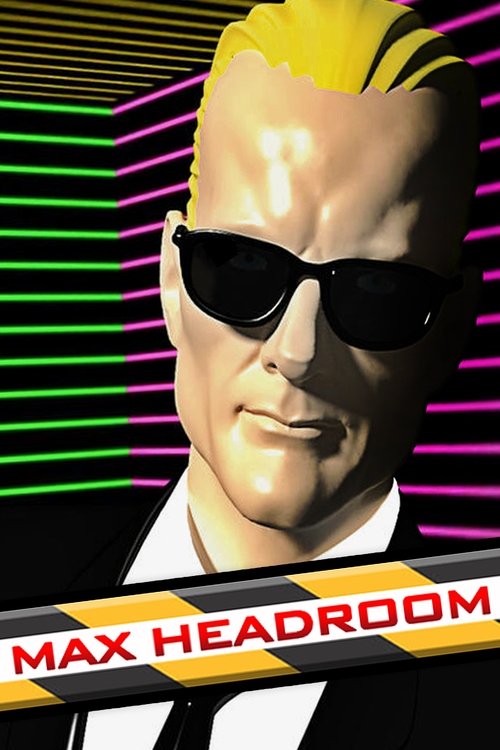
1. Max Headroom
The original digital nightmare, but born from pure analog grit. That stuttering, blocky face wasn't some polished CGI; it was a broadcast signal gone haywire, a glitchy prophet from a future that never quite arrived. The 1987 series amplified the movie's subversive edge, turning corporate media into the enemy. It was a cynical, neon-drenched vision, a punk rock video stretched into a series. And that fractured speech? Still messes with my head.
2 / 10
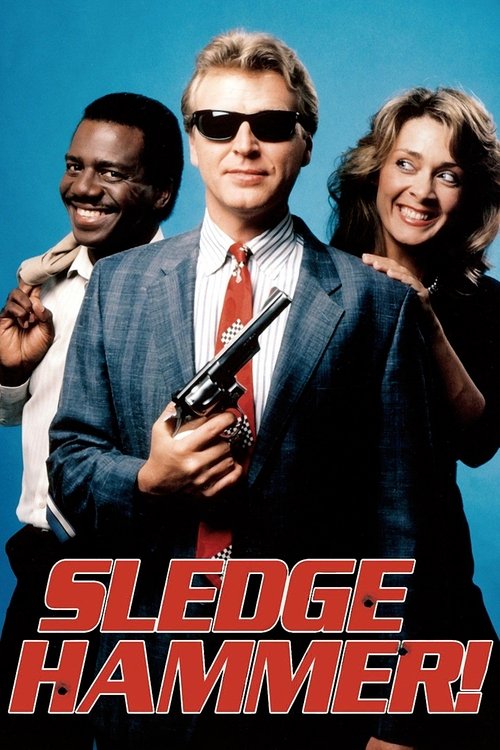
2. Sledge Hammer!
Back in '86, Sledge Hammer! was a syndicated bullet to the brain, a glorious, unhinged parody of every tough-guy cop show ever. It took gratuitous violence and deadpan satire and cranked them past eleven. This wasn't subtle; it was a sledgehammer to the face of prime-time clichés. The show gleefully embraced its low-budget chaos, and David Rasche’s perfectly straight delivery made the absurdity sing. Pure, unadulterated cult gold.
3 / 10
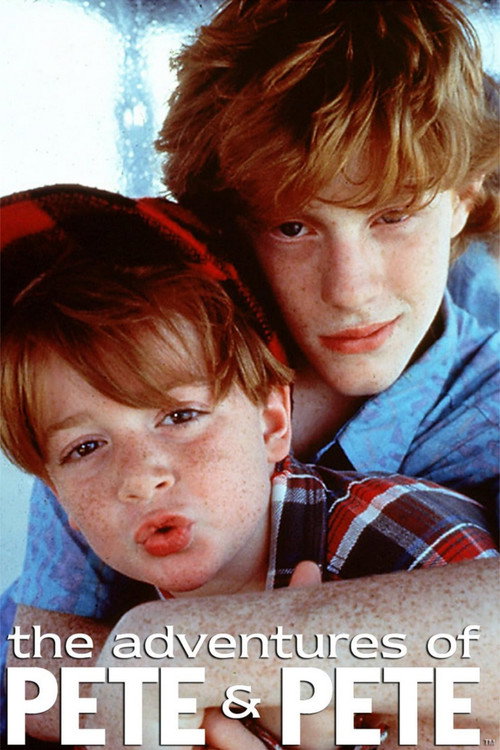
3. The Adventures of Pete & Pete
Nickelodeon, but not like the others. The 1993 series was a masterclass in suburban surrealism, where every kid had a story stranger than fiction and every adult was just a little off-kilter. It had a practical, handmade feel; the visual oddities and quirky characters weren't trying to be cool, they just *were*. And that soundtrack? It cemented the whole dreamy, slightly melancholic vibe. A truly singular, unforgettable broadcast.
4 / 10
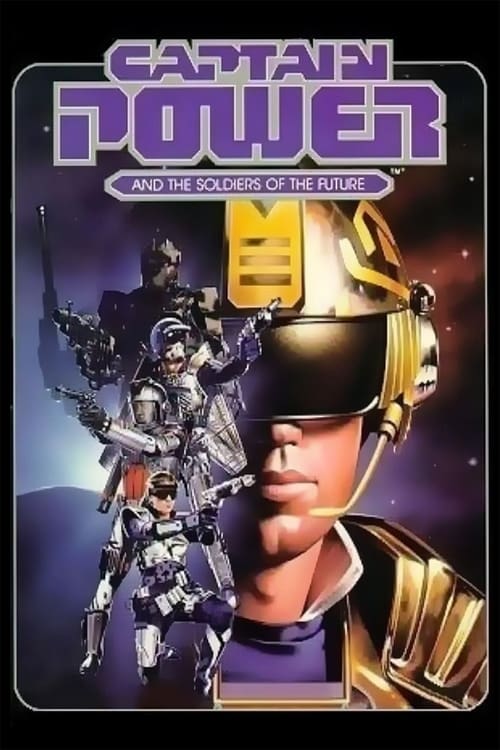
4. Captain Power and the Soldiers of the Future
This 1987 syndicated wonder was surprisingly dark for its time, a post-apocalyptic sci-fi warzone where humans battled sentient machines. The blend of practical effects and early, proto-CGI was clunky, sure, but it gave the whole thing a raw, experimental edge. And the interactive element, where you shot at the screen with a toy gun? Pure 80s maximalism. It was a gritty, ambitious attempt to push boundaries on a budget.
5 / 10
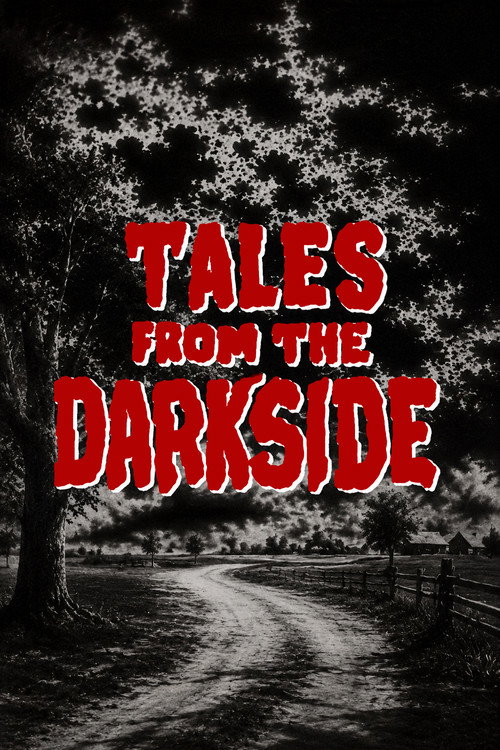
5. Tales from the Darkside
George Romero’s syndicated anthology was the perfect late-night horror fix from '84. Low-budget, often campy, but always delivering a twisted punchline. It had that distinct analog video look, making every shadow feel a little more unsettling, every creature a bit more tangible. You tuned in for those practical effects monsters and the sheer audacity of its bleak endings. It was a glorious, grainy testament to old-school horror storytelling.
6 / 10
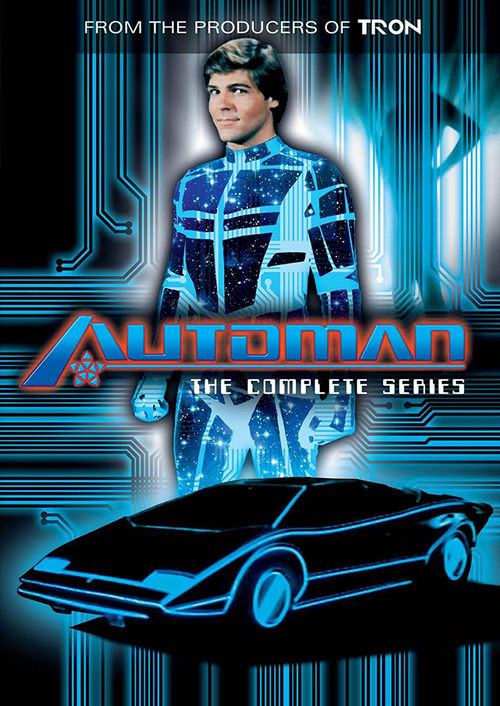
6. Automan
Before Tron, there was Automan, burning a neon trail across 1983 primetime. This guy literally walked out of a computer, leaving glowing outlines everywhere he went. The visual effects were a wild mix of early CGI and practical bluescreen wizardry, making him feel like a living arcade game. It was pure, unadulterated 80s sci-fi candy, a proto-cyberpunk dream with a sidecar that turned corners at 90 degrees. Gloriously impractical.
7 / 10
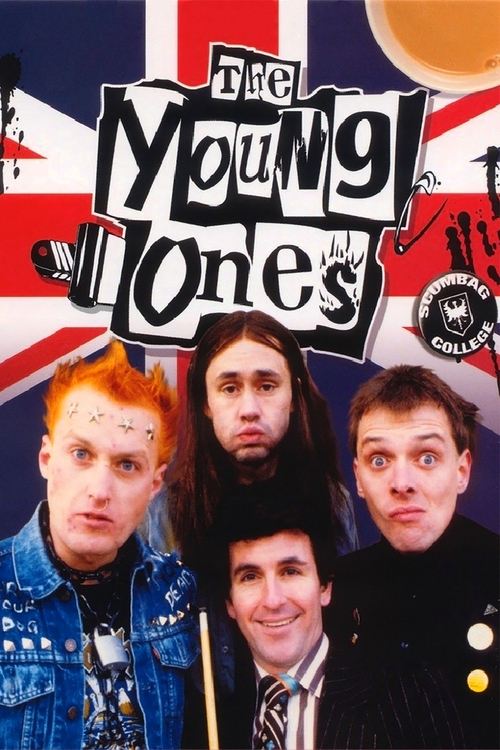
7. The Young Ones
Before MTV really took hold, there was The Young Ones. This 1982 British import was a masterclass in controlled chaos, blending punk rock ethos with surreal slapstick and genuinely strange musical interludes. It was like a sitcom had a bad trip and invited all its weirdest friends over. No laugh track, just pure, unadulterated anarchy from a group of truly despicable flatmates. You watched it because nothing else on TV dared to be so utterly, gloriously unhinged.
8 / 10
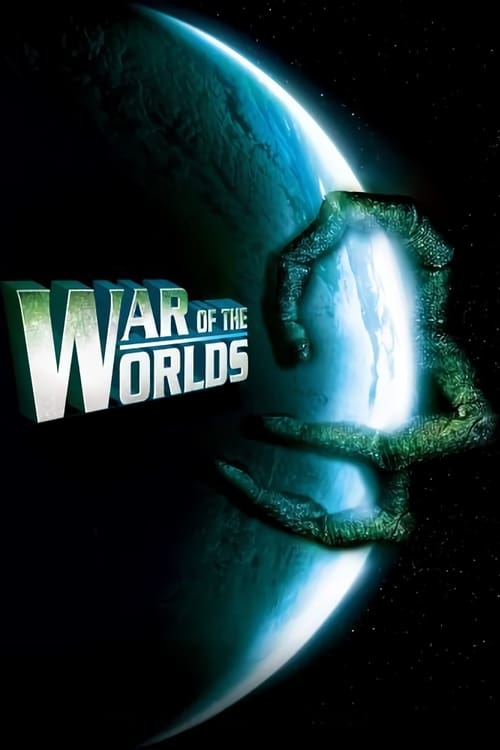
8. War of the Worlds
Picking up right where the 1953 movie left off, this 1988 syndicated series brought back those iconic Martian tripods and their gooey, practical-effects aliens. It was a surprisingly dark continuation, blending Cold War paranoia with classic sci-fi invasion tropes. The special effects were a mixed bag of rubber suits and miniature work, giving it a distinct, chunky analog feel. It was grim, often violent, and kept those alien nightmares alive on the small screen.
9 / 10
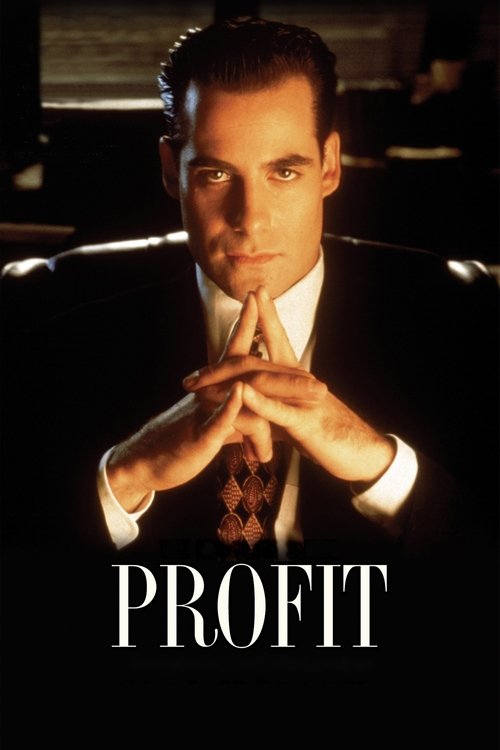
9. Profit
Before anti-heroes were trendy, there was Profit in '96, a show so utterly cynical and dark it barely lasted. It was a corporate horror story, a black-hearted satire wrapped in a prime-time drama. Jim Profit was a glorious monster, narrating his Machiavellian schemes directly to the camera, often from within a cage. It was too smart, too brutal, and too honest about corporate America for network TV. A true proto-cult classic.
10 / 10

10. VR.5
VR.5 was a 1995 trip down the rabbit hole, a proto-cyberpunk mystery drenched in early internet paranoia and a dreamy, hazy aesthetic. It explored virtual reality not as a game, but as a weapon, a portal to forgotten trauma. The visuals were often experimental, a mix of early digital and analog distortions that made everything feel slightly off-kilter, like a waking dream. It was ambitious, confusing, and utterly hypnotizing while it lasted.