
1 / 9
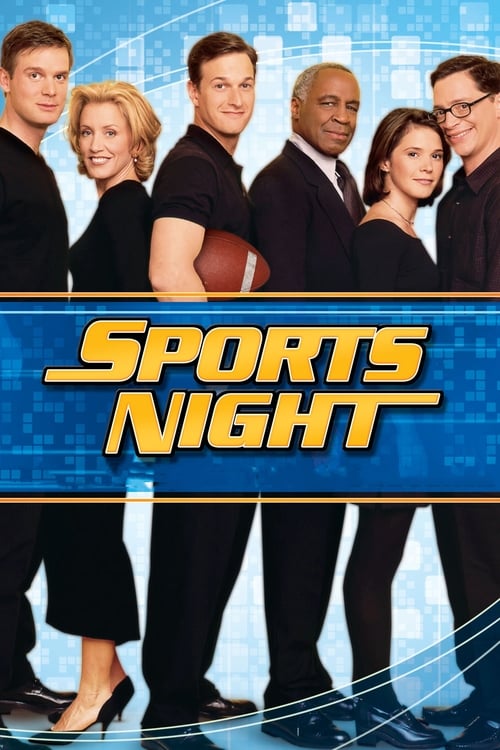
1. Sports Night
Before everyone was shouting about Sorkin's walk-and-talks, there was *Sports Night*. This show was network television trying to be smart, fast, and serialized, all while juggling the laugh track expectation. It gave us a glimpse of ensemble character drama with a sharp wit, proving that even a sports news show could tackle big emotional beats and intricate relationships. It tried to do something different, and mostly, it succeeded.
2 / 9
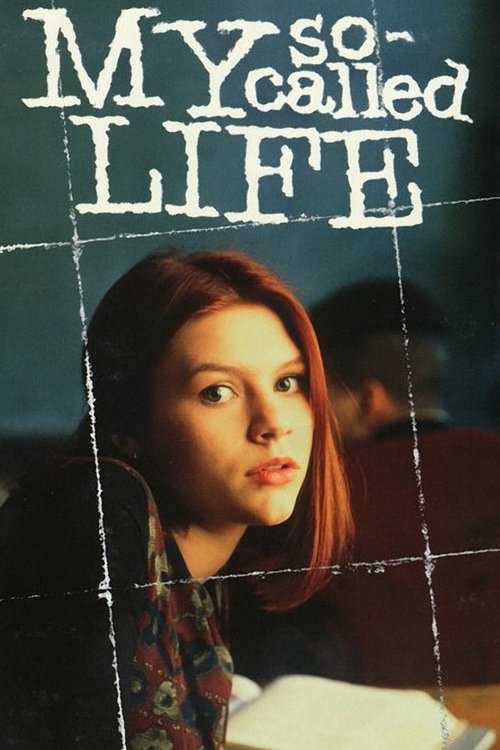
2. My So-Called Life
This wasn't just another teen drama; it was the teen drama. *My So-Called Life* dove headfirst into the angst and confusion of adolescence with an honesty that felt revolutionary. Claire Danes' raw performance as Angela Chase, coupled with the show's serialized, character-driven storytelling, set a new bar. It was proof that television could explore complex emotions and social issues without talking down to its audience, even if it was cancelled too soon.
3 / 9

3. Dead Like Me
Bryan Fuller's early work, *Dead Like Me*, was a weird, wonderful, and darkly comedic exploration of the afterlife. On Showtime, it had the freedom to be truly unique, mixing existential dread with quirky humor and a genuinely compelling ensemble. It showed how a cable network could take risks with tone and concept, creating a serialized narrative that felt both offbeat and deeply human. Definitely not your average procedural.
4 / 9
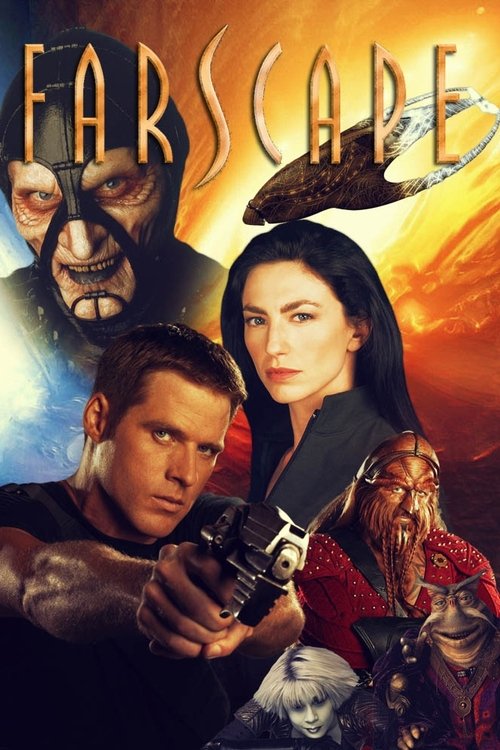
4. Farscape
Forget the clean-cut Starfleet. *Farscape* on Syfy (then Sci-Fi Channel) was a gritty, character-focused space opera that dared to be weird. With the Henson Creature Shop bringing truly alien beings to life, it prioritized complex, serialized character arcs over episodic monster-of-the-week plots. It was darker, more adult, and visually inventive, pushing the boundaries of what sci-fi television could achieve without blockbuster movie budgets.
5 / 9
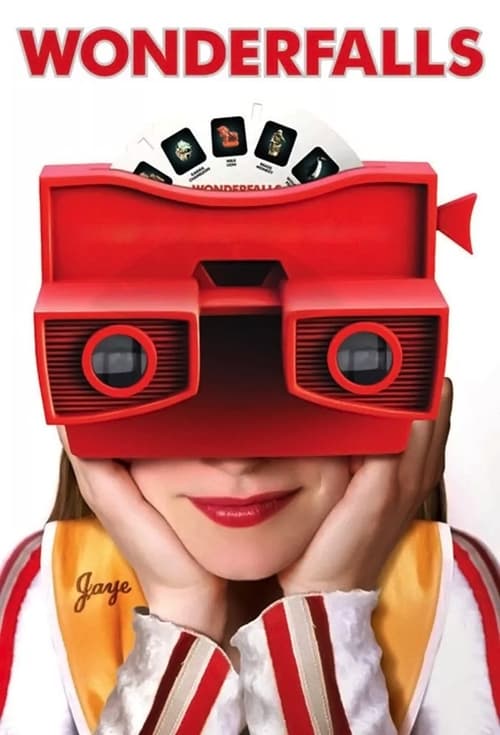
5. Wonderfalls
Another Bryan Fuller creation, *Wonderfalls* was a short-lived gem that perfectly blended surrealism, witty dialogue, and a unique premise. A philosophical slacker hears inanimate objects telling her what to do, leading to surprisingly profound and funny situations. This FOX show was too smart and quirky for its time slot, a prime example of a broadcast network trying (and failing) to nurture genuinely original, serialized storytelling.
6 / 9
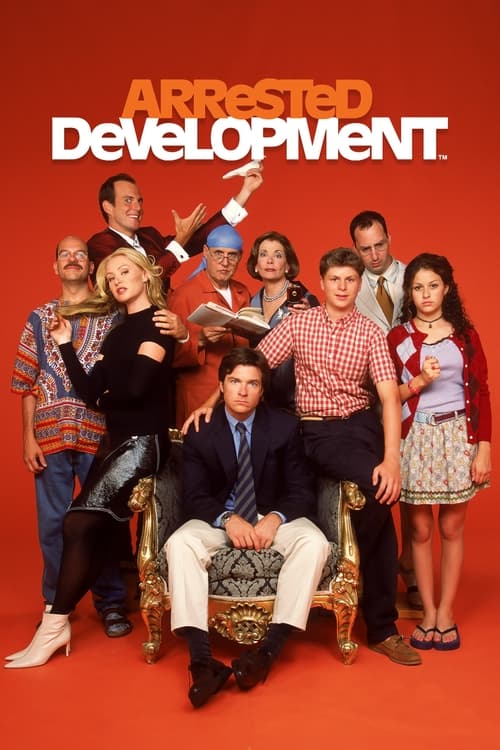
6. Arrested Development
This show practically invented the modern single-camera, joke-dense comedy. *Arrested Development* was a masterclass in layered humor, running gags, and a mockumentary style that felt fresh and innovative. Its serialized nature meant watching every episode was crucial, rewarding repeat viewings with hidden jokes and callbacks. It was a comedy that truly treated its audience like intelligent viewers, demanding attention but always paying it off.
7 / 9

7. The Comeback
Lisa Kudrow's *The Comeback* was a brutal, cringe-inducing mockumentary long before 'cringe comedy' was a recognized genre. HBO let this show be incredibly uncomfortable and unflinching in its portrayal of faded celebrity and the burgeoning reality TV landscape. It was a serialized character study that explored ambition, desperation, and the entertainment industry's brutal mechanics with a raw, almost voyeuristic intimacy.
8 / 9

8. NewsRadio
While often overshadowed, *NewsRadio* was a smart, fast-paced ensemble sitcom that pushed boundaries on network TV. It eschewed traditional setups for rapid-fire dialogue, surreal humor, and character-driven plots. This wasn't just about punchlines; it was about the dynamics of a quirky workplace family, delivering a sophisticated brand of comedy that felt more akin to a cinematic independent film than a multi-cam sitcom.
9 / 9

9. Studio 60 on the Sunset Strip
Aaron Sorkin's return to network TV was an ambitious, meta-commentary on the making of a sketch comedy show. *Studio 60* was a serialized drama that wanted to be more than just entertainment; it wanted to talk about art, politics, and the state of television itself. Though divisive, it was a clear attempt at 'prestige TV' on a broadcast network, highlighting sophisticated writing and complex ensemble dynamics.