
1 / 10
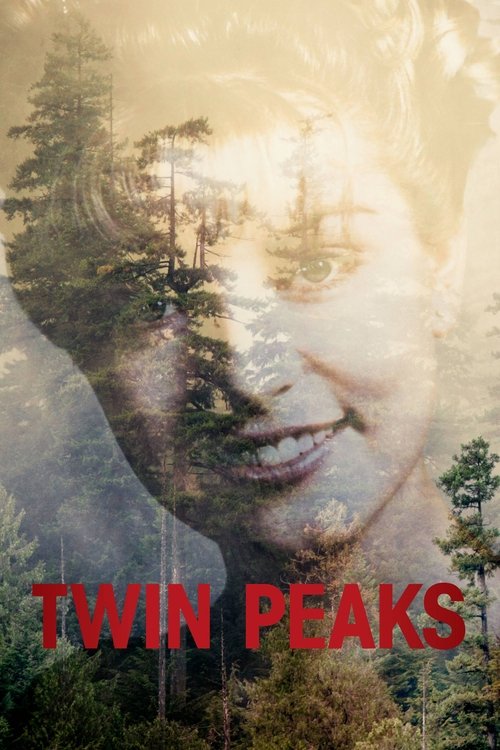
1. Twin Peaks
Before binge-watching was a term, there was Twin Peaks. Lynch and Frost dropped this surreal, cinematic puzzle box onto network television, proving audiences could handle complex, serialized narratives and deep, unsettling atmosphere. It wasn't just a mystery; it was an experience, forcing you to lean in and dissect every bizarre detail, setting a high bar for artistic ambition on the small screen.
2 / 10
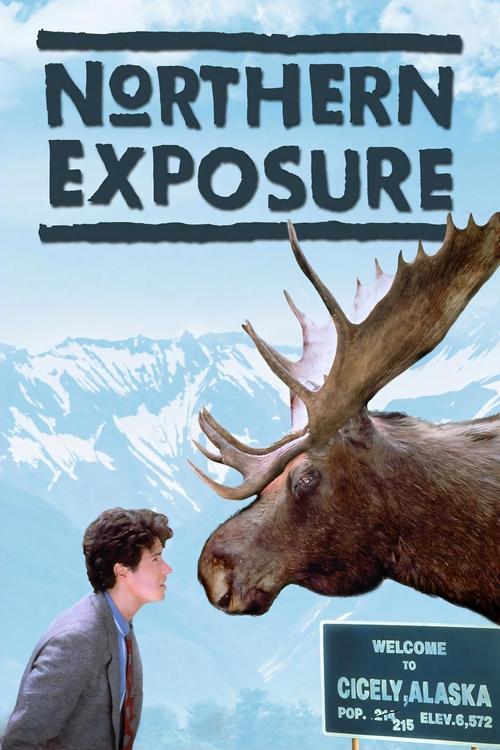
2. Northern Exposure
Back when network TV was mostly procedural, Northern Exposure showed up, a quirky, philosophical breath of fresh air. It built an entire world around its ensemble cast in a remote Alaskan town, proving character-driven storytelling, not just plot, could sustain a series. Smart, funny, and deeply human, it was appointment viewing for anyone tired of the usual fare.
3 / 10
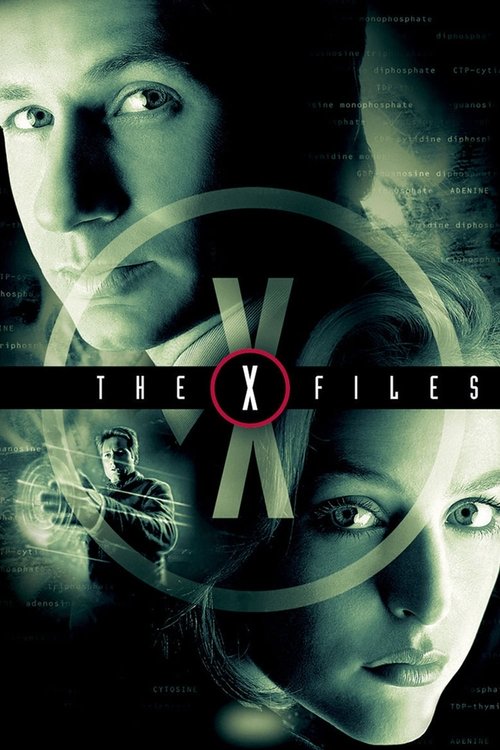
3. The X-Files
The X-Files basically invented the term "mythology arc" for television. It perfected the monster-of-the-week alongside an overarching, serialized conspiracy, hooking millions who debated every clue. Mulder and Scully's dynamic became iconic, pushing boundaries of what network sci-fi could be and showing how a passionate fanbase could make a show a cultural phenomenon.
4 / 10
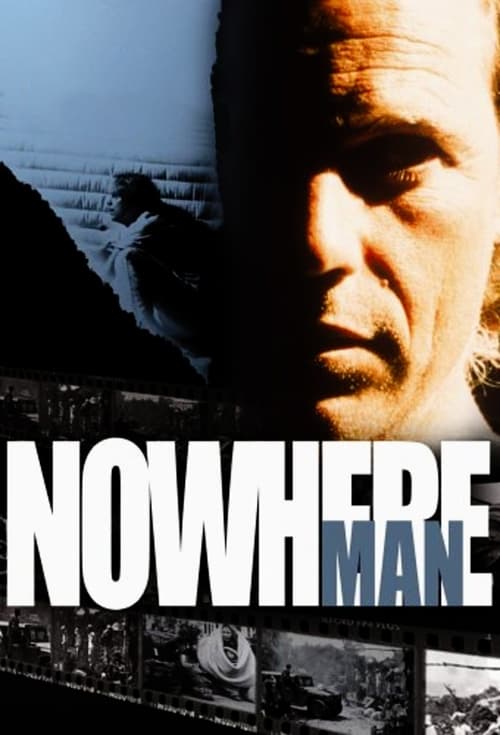
4. Nowhere Man
You might not remember Nowhere Man, but it was a pure, unadulterated serialized conspiracy thriller before its time. A man erased from existence, fighting to get his life back, questioning reality every step of the way. It was dark, relentless, and demanded you watch every episode to piece together the puzzle, proving that a single, gripping mystery could drive an entire series.
5 / 10
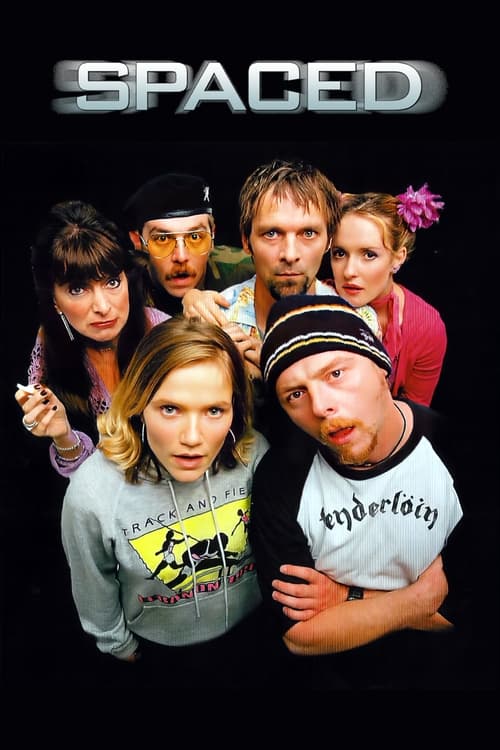
5. Spaced
Before anyone was talking about Edgar Wright or Simon Pegg much, Spaced hit, a lightning bolt of pop culture references and cinematic flair. It wasn't quite a mockumentary, but its quick cuts, visual gags, and genre homages felt fresh and boundary-pushing for comedy. It showed you could be incredibly specific and still universally funny, laying groundwork for future cult hits.
6 / 10
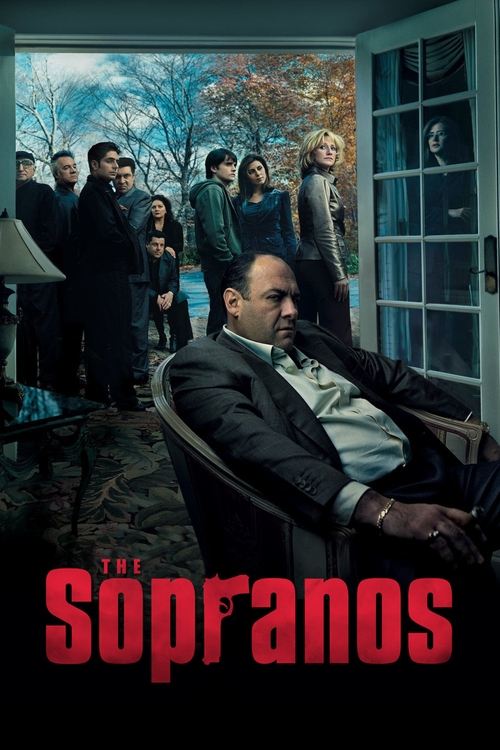
6. The Sopranos
This is where cable truly declared war on network television. The Sopranos wasn't just a mob show; it was a deep dive into an anti-hero's psyche, blending family drama with brutal crime. It showed what television could achieve with cinematic budgets, complex characters, and the freedom from network censors, ushering in the era of prestige TV and the anti-hero.
7 / 10
7. Six Feet Under
Following The Sopranos, Six Feet Under cemented HBO's reputation for character-driven, emotionally complex drama. Centered around a family running a funeral home, it explored life and death with unflinching honesty, often starting each episode with a new demise. It proved that deep, intimate character studies could resonate profoundly and push dramatic boundaries.
8 / 10
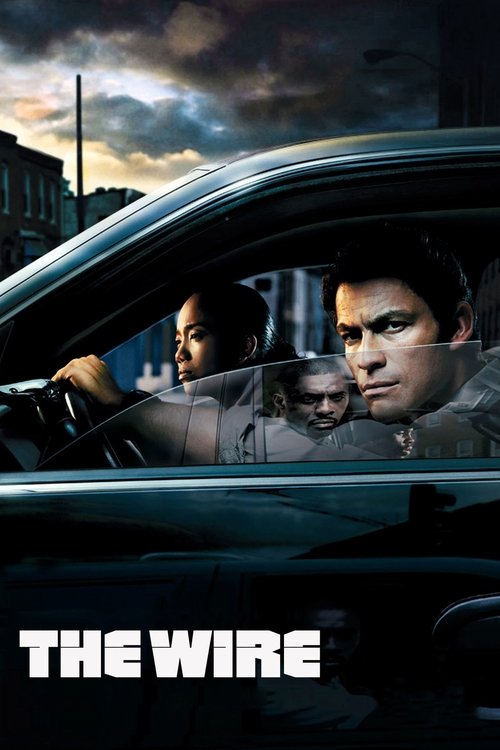
8. The Wire
The Wire wasn't just a cop show; it was a novel for television, meticulously dissecting institutions and systems in Baltimore. Its sprawling ensemble cast and serialized, multi-faceted narratives demanded attention, refusing to spoon-feed viewers. It redefined realism and social commentary on the small screen, proving TV could be as profound and insightful as any great book.
9 / 10
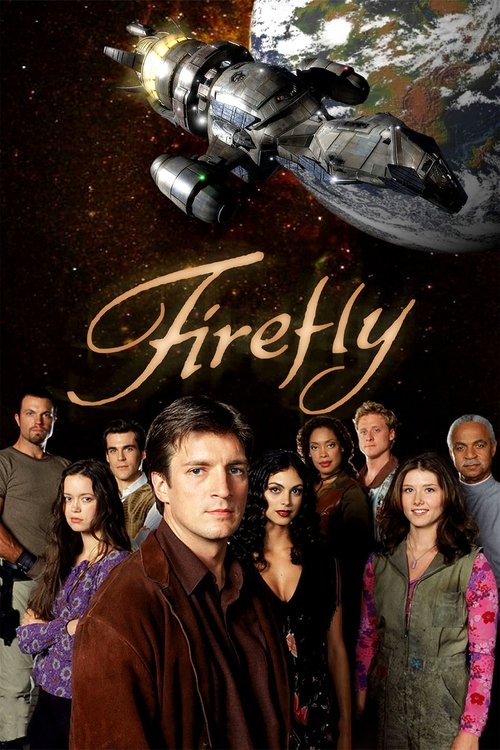
9. Firefly
Firefly was a brilliant, serialized sci-fi western that Fox famously mishandled, but its passionate fanbase and unique blend of genres made it a cult classic. It showed that even prematurely canceled shows could find new life through DVD sales and early online communities, hinting at the power of on-demand viewing and fan engagement long before streaming was mainstream.
10 / 10
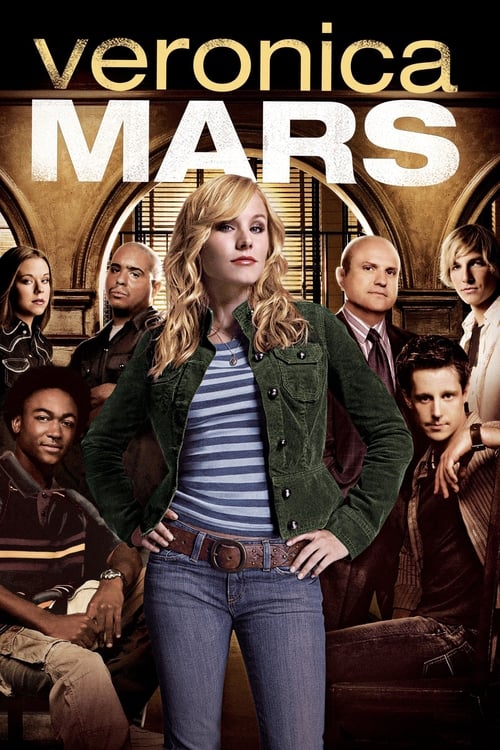
10. Veronica Mars
Veronica Mars brought smart, serialized neo-noir to network television, proving you could have a compelling mystery arc every season, even with a case-of-the-week structure. Its sharp dialogue, intricate plotting, and a fierce female lead captivated audiences, laying groundwork for fan-funded revivals and showing networks that intelligent, serialized storytelling had a hungry audience.