
1 / 7
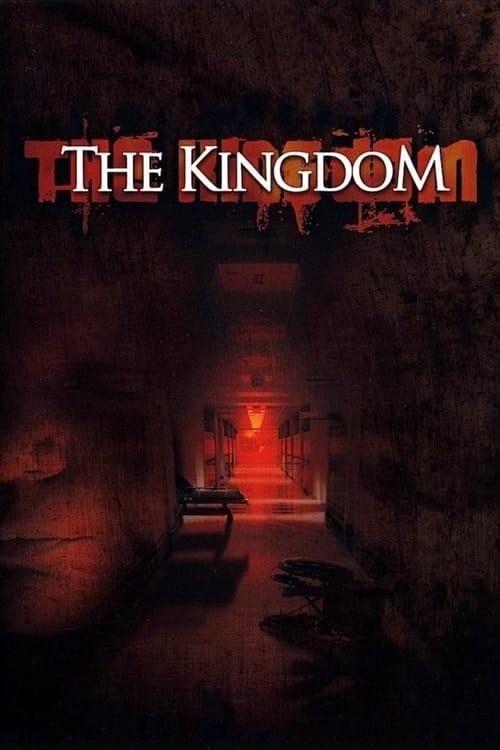
1. The Kingdom
Von Trier's Danish miniseries was a wild, often baffling, ride. Its raw, grainy aesthetic, coupled with a serialized, supernatural hospital drama, felt like nothing else on TV at the time. It was an early, daring shot across the bow for what limited series could be, proving that international fare, with its peculiar rhythms and unsettling atmosphere, could captivate if you let it. This was pre-streaming cult viewing.
2 / 7
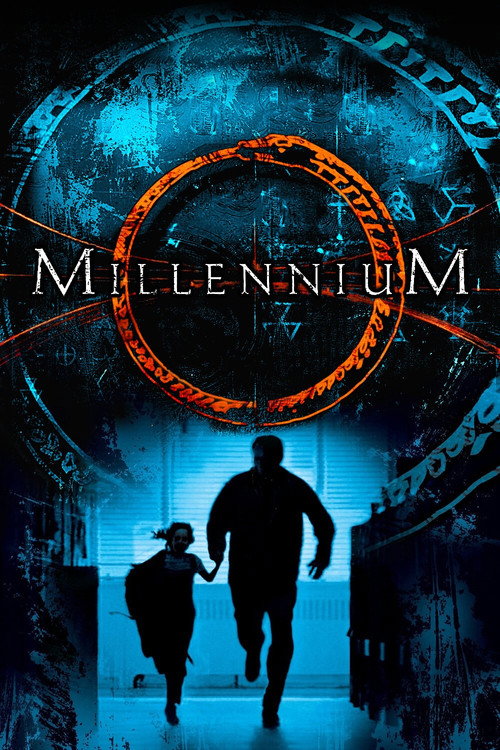
2. Millennium
Frank Black's grim worldview was a stark contrast to *The X-Files*' hopeful skepticism. This show dove deep into the darker corners of human nature, serialized its dread, and wasn't afraid to get truly bleak. It proved a network could sustain such a relentlessly dark, character-focused thriller, laying groundwork for future cable dramas that would really lean into the moral ambiguity and psychological torment.
3 / 7

3. Wiseguy
Before cable made long-form storytelling a standard, *Wiseguy* was doing it on network TV. Each season was like a novel, with Vinnie Terranova embedding himself deep into a new criminal enterprise for many episodes. It wasn't just a 'case of the week;' it was about character transformation and the psychological toll of living a lie, pushing beyond standard procedural tropes and showing network TV could be smart.
4 / 7
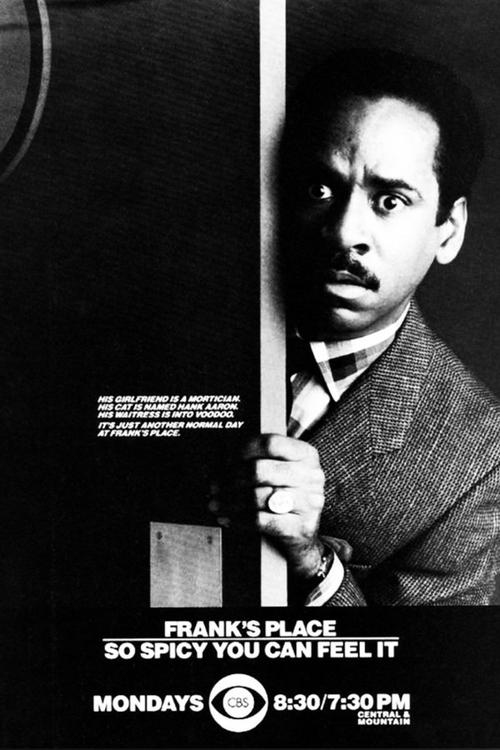
4. Frank's Place
This show was a revelation, playing by its own rules. It was a 'comedy' without a laugh track, shot single-camera, with serialized storylines and a rich ensemble cast in New Orleans. It felt more like a short film series than a network sitcom. It proved you could tell character-driven, atmospheric stories with humor and genuine drama, pushing the boundaries of what a half-hour show could be.
5 / 7
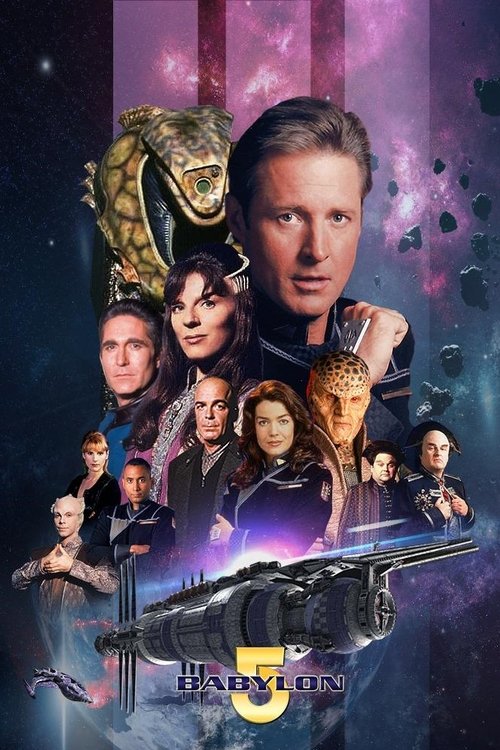
5. Babylon 5
Forget episodic adventures; *Babylon 5* had a five-year plan from day one. This was novelistic television, with arcs spanning seasons and character developments that mattered. Its early, ambitious use of CGI and its commitment to a serialized space opera narrative, where every episode built on the last, redefined what science fiction storytelling on TV could achieve. It truly set the stage for epic sagas.
6 / 7
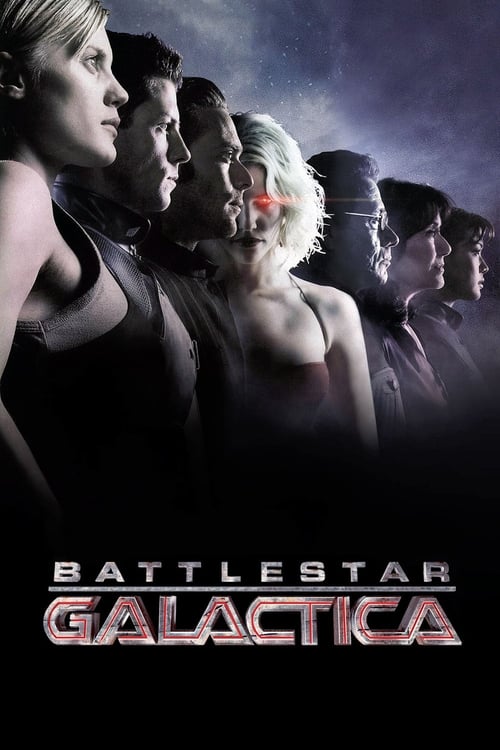
6. Battlestar Galactica
This wasn't your dad's *Battlestar*. Moore's reimagining brought a gritty, morally ambiguous realism to space opera, complete with shaky-cam and complex characters facing impossible choices. It was dense, serialized, and unapologetically dark, becoming a flagship for how a cult sci-fi property could be elevated into prestige drama, proving that genre TV could tackle profound themes without compromise.
7 / 7
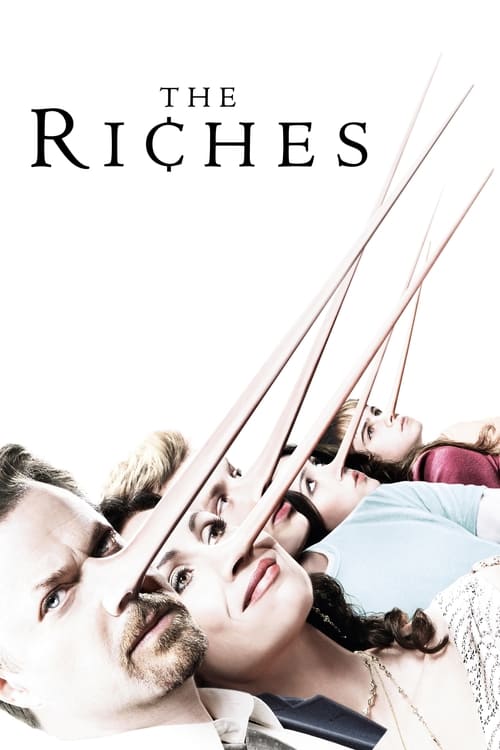
7. The Riches
FX was really finding its footing with shows like *The Riches*. It was a darkly comedic, deeply character-driven drama about a family of travelers assuming suburban identities. Eddie Izzard and Minnie Driver were phenomenal, anchoring a story that explored class, identity, and the American dream with a cynical edge. It highlighted basic cable's growing appetite for original, nuanced storytelling.