
1 / 11
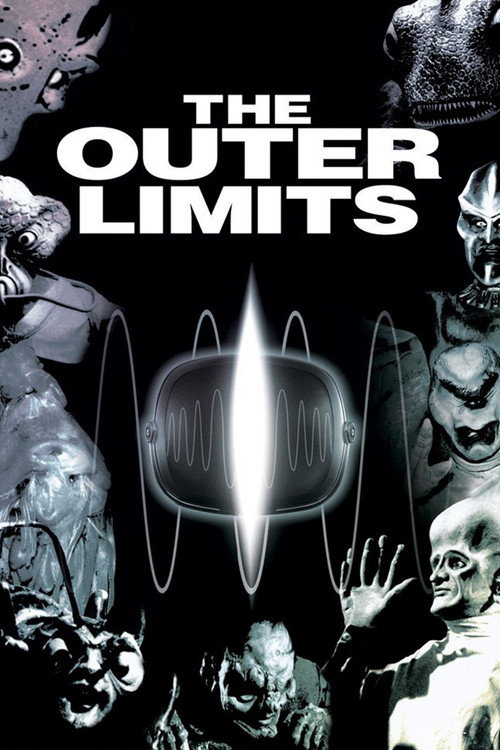
1. The Outer Limits
Oh, "The Outer Limits" from '63. It wasn't just monsters, you know. Each week, it served up a new fright, a new idea, often with a stark, unsettling look that felt almost like a newsreel from another dimension. That low-budget, high-concept approach, often in crisp black and white, made you question reality. And the narration? It pulled you right in, setting a mood that stuck with you long after the credits rolled. You’d gather around the set, and it was a proper event.
2 / 11
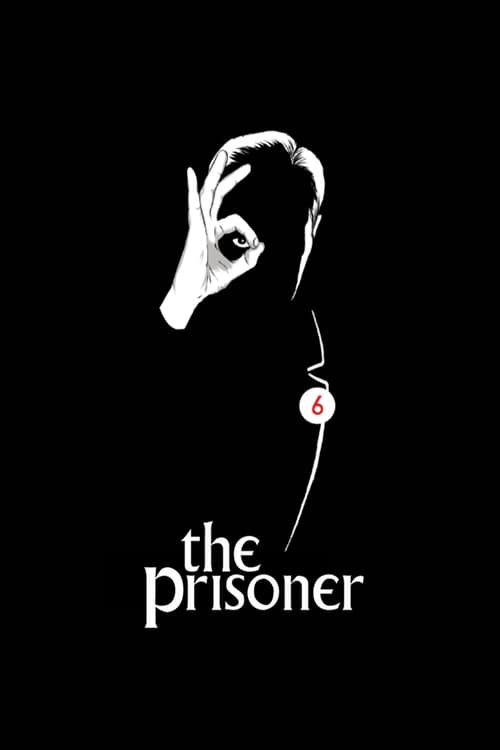
2. The Prisoner
"The Prisoner," from '67, was a real head-scratcher, even then. Patrick McGoohan, after "Danger Man," just walked off and created this utterly baffling, brilliant series. It wasn't just a story; it was an experience. Every episode, you'd try to piece together Number Six's predicament, wondering if it was all a dream or a grand conspiracy. That village, those strange guards, the Rover – it all burned itself into your memory. It defied everything else on the air.
3 / 11

3. Dark Shadows
Now, "Dark Shadows," starting in '66, that was something else for daytime. It began as a gothic melodrama, mind you, and then vampires and ghosts started showing up. All those shadowy manor halls, the dramatic close-ups, and the way the story just kept twisting and turning. It was a proper daily serial, but with a macabre edge that made it stand out from the usual afternoon fare. You’d rush home from school just to see what Barnabas Collins was up to.
4 / 11

4. The Fugitive
"The Fugitive," from '63, really captured the nation. Here's Dr. Richard Kimble, wrongly accused, always on the run, week after week. And you just wanted him to clear his name. That premise, a man against the world, searching for a one-armed man, was gripping. It built a remarkable sense of continuity for a show back then, even with new characters in every town. It was a masterclass in long-form television, culminating in that unforgettable finale.
5 / 11
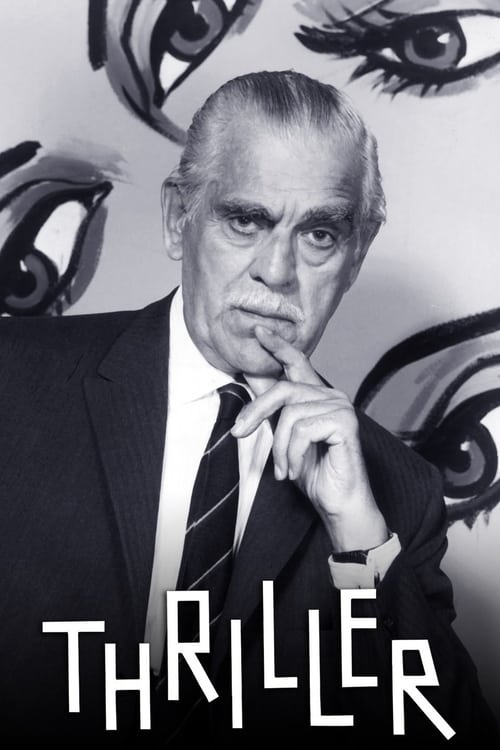
5. Thriller
Boris Karloff hosting "Thriller" in 1960? Well, that was pure gold. This was a proper anthology, diving into suspense and the macabre, not just monster-of-the-week stuff. It had a darker edge than some of its contemporaries, often playing with psychological dread rather than jump scares. And seeing Karloff introduce each tale, always with that chilling gravitas, gave it a real sense of occasion. It was a late-night treat for those who liked a good scare.
6 / 11

6. Danger Man
Before "The Prisoner," there was "Danger Man," which started in '60. Patrick McGoohan played John Drake, a suave, clever secret agent. Not quite James Bond, but more grounded, more cerebral. It had that crisp, Cold War feel, you know, with gadgets and international intrigue. The episodes were often tight little espionage tales, showing a more sophisticated side of television action. It was a good, solid spy show that set a benchmark.
7 / 11

7. Blake's 7
"Blake's 7," coming out of Britain in '78, was a different beast altogether. It was gritty sci-fi, not like the shiny American stuff. A band of rebels, often morally ambiguous, fighting an oppressive federation on a stolen ship. The sets might've been wobbly, but the writing was sharp, and the characters were complex. It dared to end on a downer, too, which was rare. A proper space opera, but with a bleak, almost theatrical quality.
8 / 11
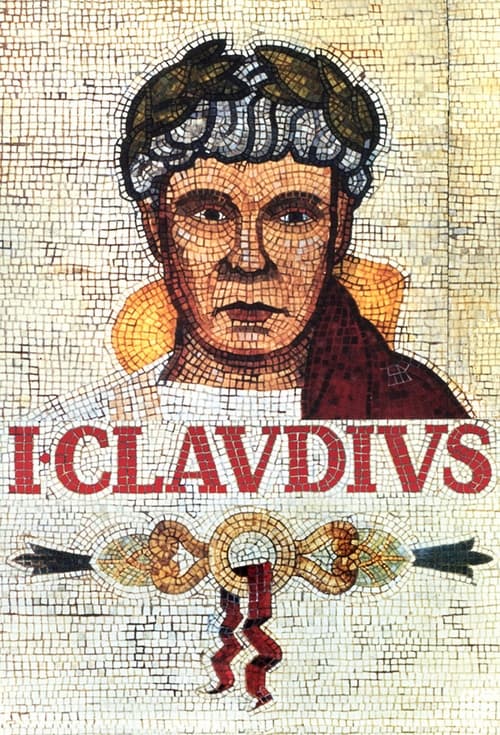
8. I, Claudius
"I, Claudius," from '76, that was a television event. Proper high drama, you know, brought over from the BBC. All those Roman emperors and empresses, plotting and backstabbing. The acting was just phenomenal, every single one of them. It showed you what television could do when it took its time with a story, building an epic narrative over several weeks. It wasn't just history; it was a grand, theatrical unfolding, right there in your living room.
9 / 11
9. The Wild Wild West
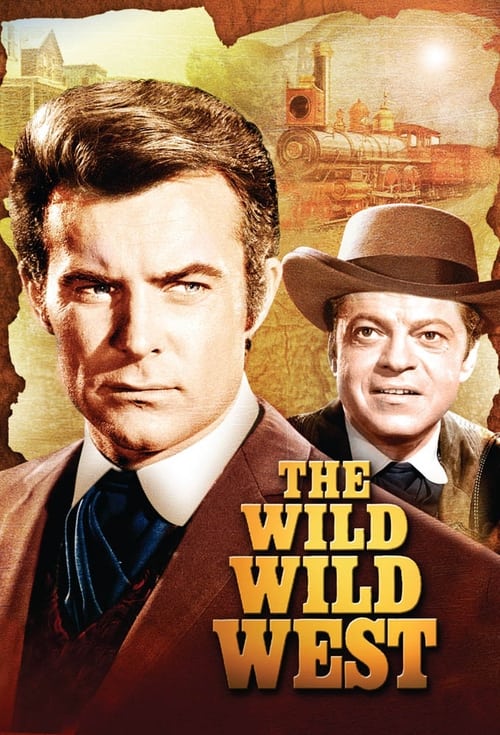
"The Wild Wild West" from '65, now that was a curious one. It was a Western, yes, but then it threw in secret agents, steampunk gadgets, and outrageous villains. A real genre mash-up! Robert Conrad and Ross Martin had such great chemistry, and those cliffhanger endings, often with some bizarre contraption, felt like something out of a Saturday serial. It was pure entertainment, a delightful romp that defied easy categorization.
10 / 11
10. Randall and Hopkirk (Deceased)
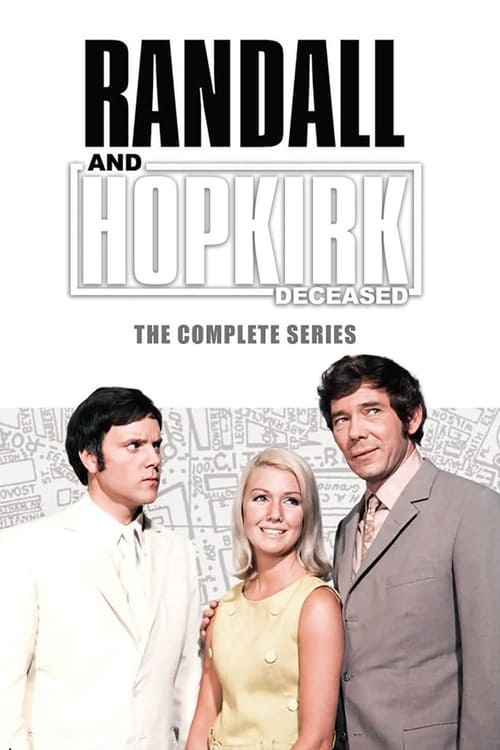
"Randall and Hopkirk (Deceased)," from '69, was a clever one. A private detective, Jeff Randall, and his partner, Marty Hopkirk, who’s a ghost. Only Jeff can see him. It was a neat premise for a crime show, mixing the supernatural with detective work. The humor came from their dynamic, Marty’s frustration, and Jeff’s exasperation. A bit spooky, a bit funny, and thoroughly British. It was a standout for its unique blend of genres.
11 / 11
11. Doomwatch
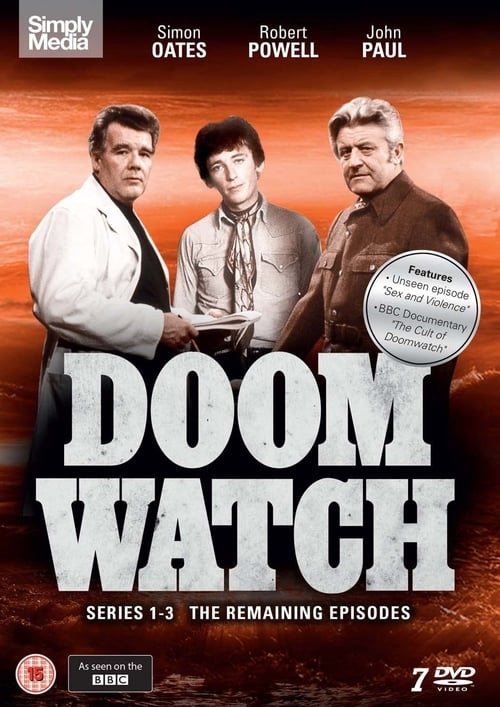
"Doomwatch," hitting screens in '70, was ahead of its time. It was a British show about a government department investigating ecological and scientific threats. Think about it: genetic engineering, pollution, artificial intelligence – they tackled it all, and often with a bleak outlook. It wasn't flashy, but it was thought-provoking and often quite chilling. It felt like real science gone wrong, a proper wake-up call wrapped in a weekly drama.