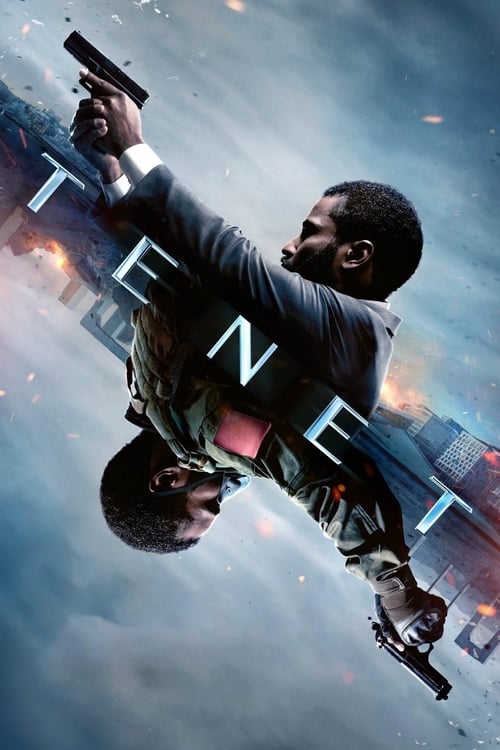
Christopher Nolan’s ambitious temporal inversion thriller is a complex, meticulously constructed puzzle demanding intense focus and multiple viewings. Its narrative, moving forwards and backwards through time simultaneously, challenges conventional storytelling and audience comprehension. *Tenet* isn't just a plot to unravel; it's an experience of manipulating cinematic time itself, a bold, if sometimes baffling, exercise in intellectual spectacle.
from “The 11 Cinematic Puzzles That Have Kept Fans Theorizing For Years” →
Nolan really went for it with "Tenet." Critics were hailing its intricate plot and mind-bending action sequences. They were talking about its "structural innovation." But honestly, your group chat was probably just texting "what?" every five minutes. The sound mix was wild, and trying to follow the time inversion logic felt like a homework assignment. Visually cool, but understanding what was actually happening? That was the real mission impossible.
from “6 Films That Had Critics Stanning While The Group Chat Was Like 'Huh?'” →
This film plays with time in a mind-bending way, perfect for an AI-driven narrative experience. An AI could construct stories where time itself is a malleable element, allowing viewers to experience events forward, backward, or simultaneously. It’s about manipulating the flow of information and causality to create uniquely engaging puzzles and reveal truths, pushing the boundaries of traditional linear storytelling.
from “Forget Reality: 7 Movies That Show What AI Storytelling Could Be” →