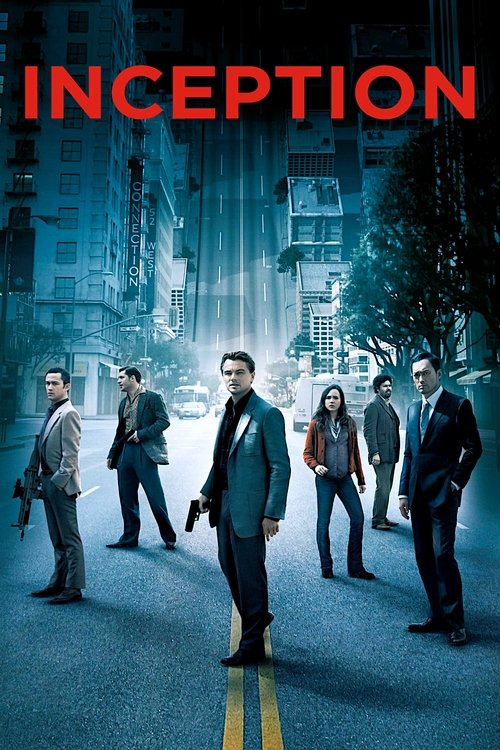
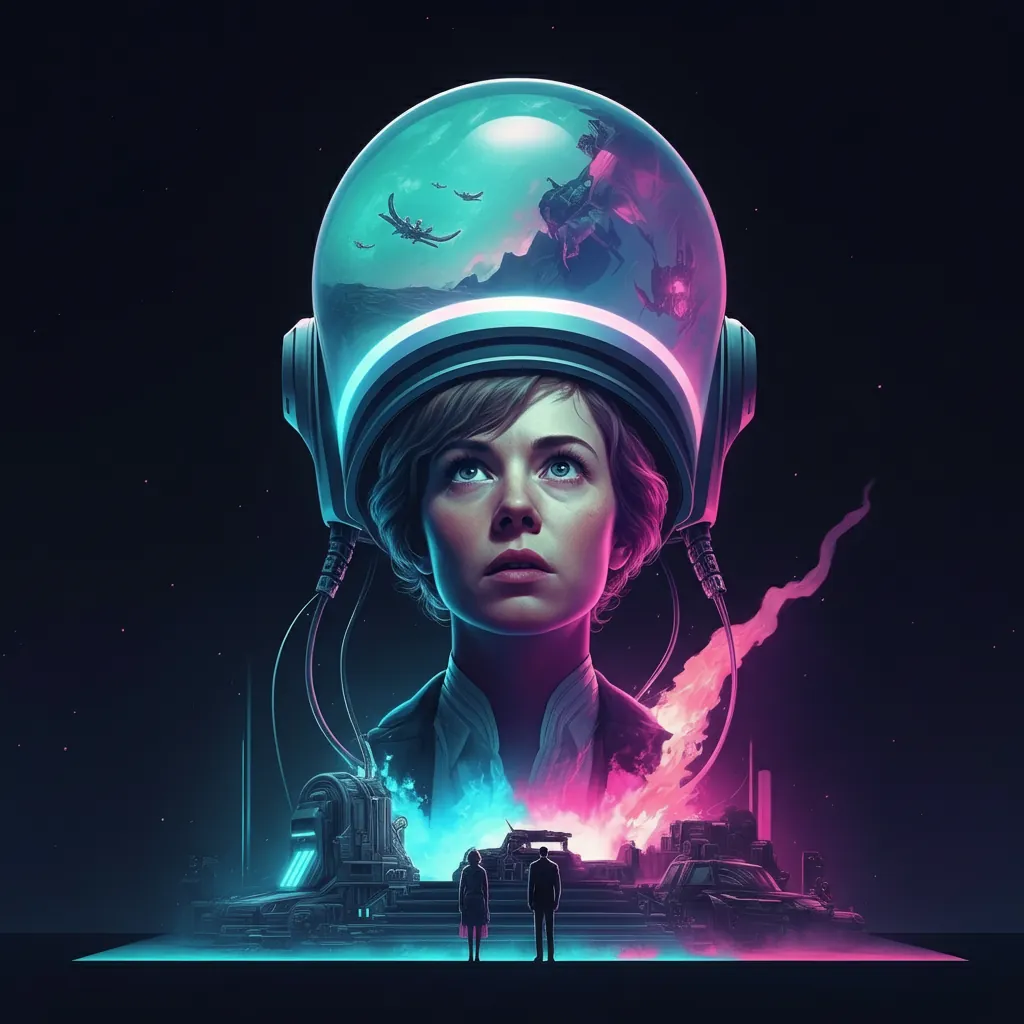
Christopher Nolan's original screenplay delves into the architecture of the mind and dreams, a concept often explored in literature but rarely with such intricate cinematic execution. The film's layered narrative and visual complexity are designed for the screen, creating an immersive experience that challenges audience perception. It suggests that certain ideas are intrinsically cinematic, requiring visual metaphors and elaborate set pieces to fully realize their potential, making the very idea of a literary adaptation almost secondary to its inherent visual storytelling.
from “The 10 Cinematic Masterworks That Expose Adaptation's Deepest Flaw” →
Christopher Nolan perfected the art of the mind-bending reveal, and the ambiguous ending of *Inception* still fuels debates. Was Cobb still dreaming? Did the totem finally fall? That final, tantalizing shot of the spinning top, leaving the audience to decide his reality, was pure genius. It wasn't just a plot twist; it was an invitation to question perception itself, a hallmark of its enduring appeal on repeat watches.
from “9 Cinematic Reveals That Absolutely Blew Our Minds” →
This one totally redefines what a dream can be, right? It’s like, imagine a dream within a dream, but you can build entire cities with your mind, bending reality to your will. The way they crafted those intricate layers and mind-bending physics just feels like a completely explorable, next-gen digital space. You’d want to just walk around those collapsing streets or zero-gravity hallways. It’s a masterclass in world-building that totally feels like an early VR demo for reality itself, showing off infinite possibilities.
from “8 Movies That Are So Next-Level, They're Practically VR Worlds You Can Jump Into” →