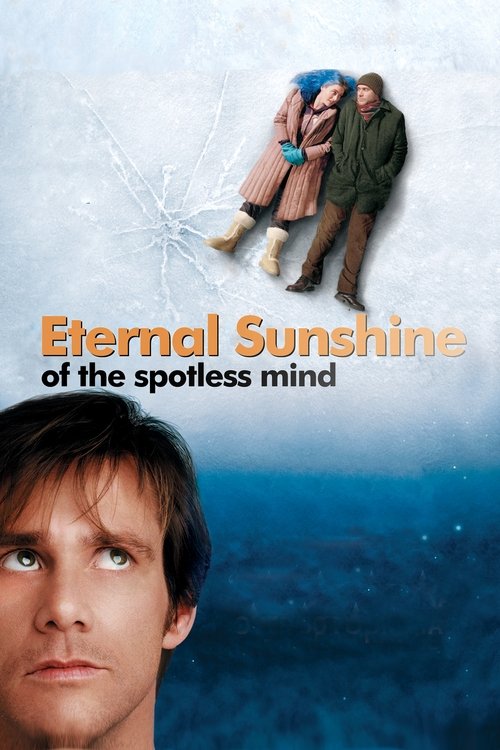
Charlie Kaufman's screenplay, directed by Michel Gondry, is an original work that critiques the very notion of 'fixing' emotional pain, a concept often simplified in adaptations. Its fragmented, dreamlike structure is inherently cinematic, exploring memory and loss in a way that prose struggles to replicate. The film's genius lies in its ability to externalize internal chaos, a testament to how original narratives can push emotional and psychological boundaries without the constraints or expectations of a pre-existing text.
from “The 10 Cinematic Masterworks That Expose Adaptation's Deepest Flaw” →
This film truly messed with our heads, didn't it? It's a gorgeous, heartbreaking look at memory, love, and the messy bits we try to erase. Watching Clementine and Joel navigate their fragmented pasts feels intensely human, and its non-linear storytelling made it a cult classic that still sparks conversations about relationships and regret. Even today, it resonates, proving some narratives are too powerful to forget, even if the characters try.
from “10 Films That Prove The Best Stories Always Find A New Stage” →
This movie lives in my brain rent-free, honestly. "Eternal Sunshine" isn't your average rom-com; it's a raw, surreal look at love, loss, and the messy, beautiful parts of memory. Jim Carrey and Kate Winslet are iconic in this. It captures the bittersweet ache of trying to erase someone, only to realize those memories, even the painful ones, make you who you are. A total mind-bender that hits you right in the feels.
from “9 Movies That Stay With You, Like, For Real” →
What if you could erase painful memories? This film explores that deeply human desire. For VR, AI could create personalized memoryscapes, allowing players to revisit, alter, or remove past experiences. The emotional depth and narrative complexity here are huge, offering poignant explorations of love, loss, and self-identity in a digital space.
from “12 Films That Are Secretly Blueprints for Future VR Worlds (And AI Knows It)” →