

#1

Le Samouraï
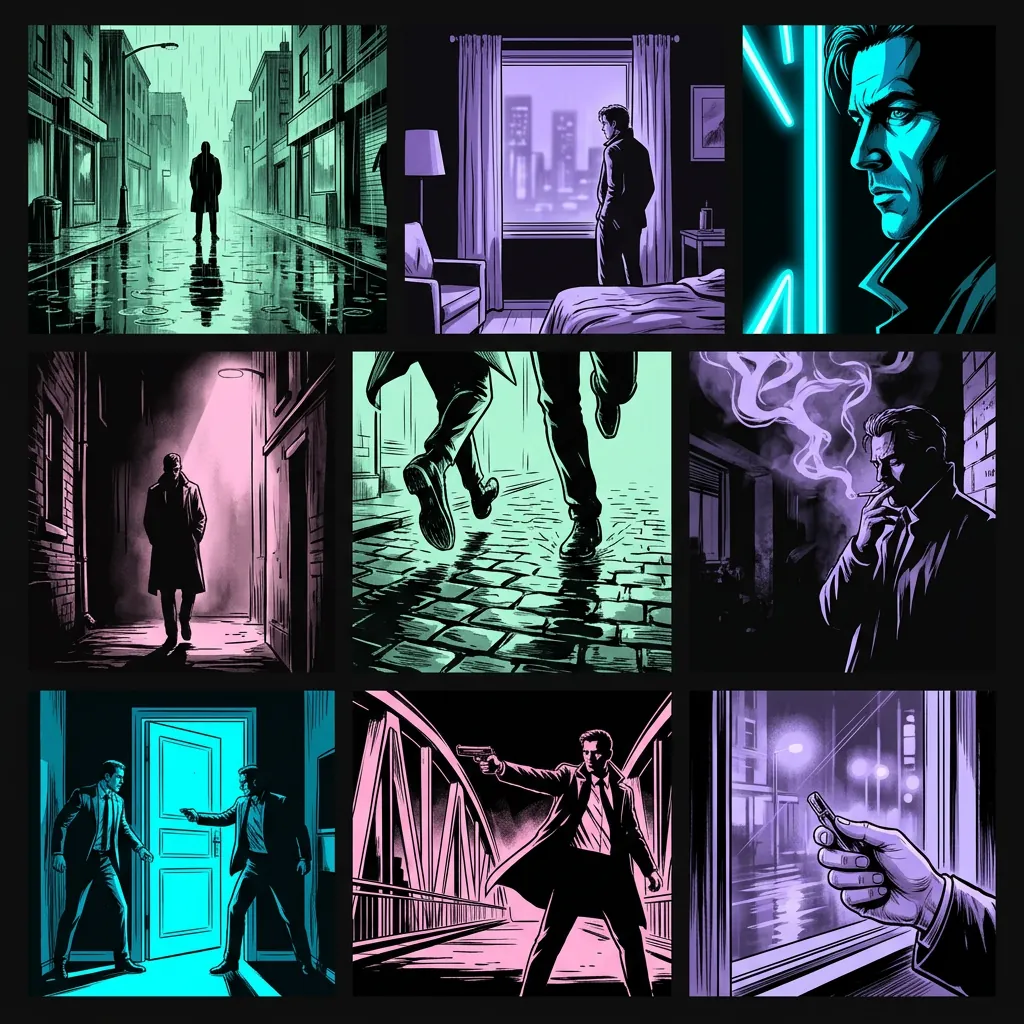
Jean-Pierre Melville, with his austere precision, crafted this minimalist crime masterpiece. Alain Delon’s icy cool hitman, Jef Costello, navigates a stark, unforgiving world governed by a personal samurai code. The film’s deliberate pace, stark visuals, and profound sense of existential isolation elevate it beyond mere genre, becoming a hypnotic study in stoicism, betrayal, and inevitable fate. It’s a truly magnetic experience.
2 critics · 31 lists →
#2

Point Blank
John Boorman’s kinetic, fragmented neo-noir is a masterclass in subjective storytelling and visual audacity. Lee Marvin’s Walker, a man betrayed and left for dead, stalks Los Angeles with an almost supernatural single-mindedness, a ghost seeking retribution. Its non-linear structure and stark, often surreal imagery reflect a fractured psyche and a society adrift. This isn’t just a revenge film; it’s a visceral, stylish descent into a very American hell.
2 critics · 4 lists →
Watch in US YouTube TV
YouTube TV
#3
Blood Simple
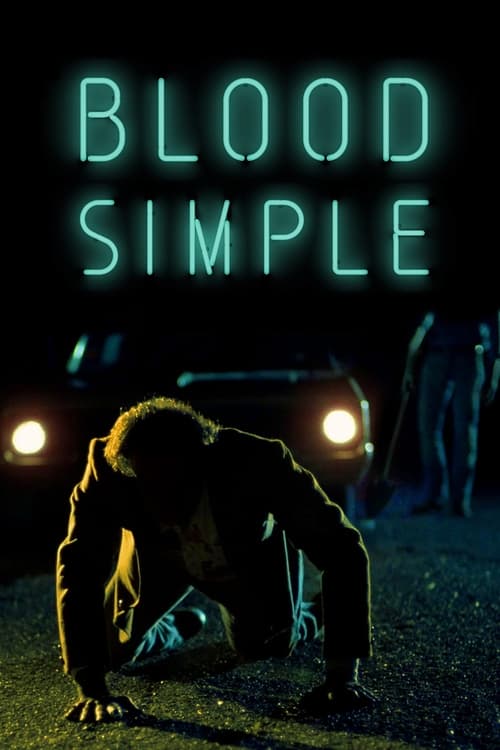
The Coen Brothers’ debut immediately established their distinct voice: a darkly comedic, tightly wound thriller steeped in Texan noir. A jealous bar owner hires a hitman, setting off a chain of fatal misunderstandings and escalating violence. The film's meticulous plotting, stark cinematography, and pervasive sense of dread are palpable. It’s a masterclass in sustained tension, proving from the outset their unique command of atmosphere and morally ambiguous characters.
#4
Sorcerer
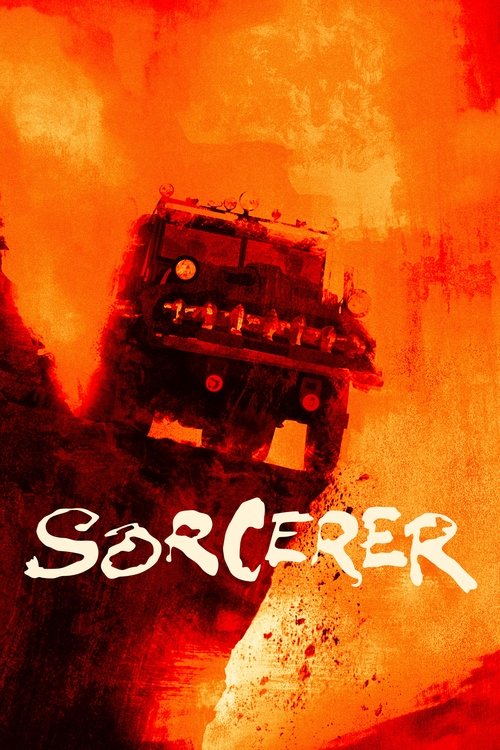
William Friedkin’s arduous, elemental thriller is a brutal examination of desperation. Four fugitives, hiding in a remote South American village, are offered a suicidal mission: transport unstable nitroglycerin across treacherous terrain. This isn’t about good versus evil, but man versus nature, man versus himself. The film’s visceral realism, the palpable tension of every creaking bridge, and its uncompromising vision make it a truly harrowing, unforgettable journey into the heart of darkness.
2 critics · 13 lists →
#5
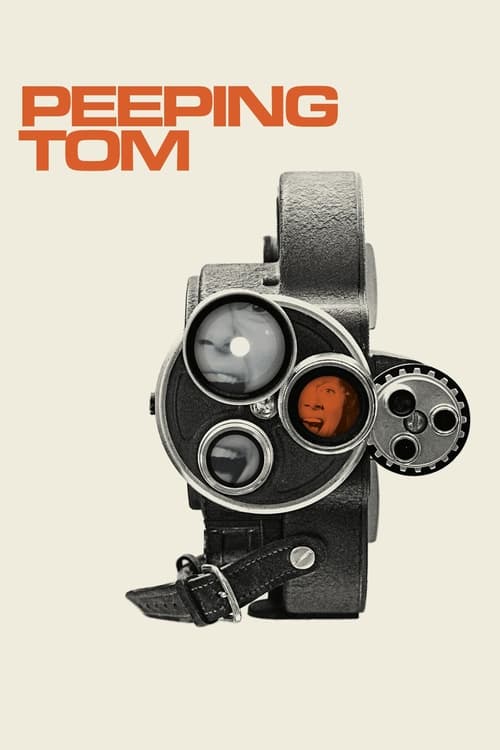
Peeping Tom
Michael Powell’s deeply unsettling psychological horror film, released the same year as *Psycho*, was initially reviled but now stands as a prescient masterpiece. It delves into the psyche of a serial killer who murders women while filming their terror. The film explores voyeurism, the act of seeing, and cinema itself with disturbing insight. Its uncomfortable intimacy and groundbreaking themes make it a vital, if chilling, piece of cinematic history.
#6
The Vanishing
George Sluizer’s original Dutch-French thriller is a slow-burn masterpiece of psychological dread. A young man’s girlfriend vanishes at a rest stop, leading him on an obsessive, years-long quest for answers. The film foregoes cheap scares for a relentless, intellectual torment, culminating in one of the most chilling and profoundly disturbing endings in cinema. It’s a masterful exploration of obsession and the terrifying power of the unknown.
4 critics · 117 lists →
#7
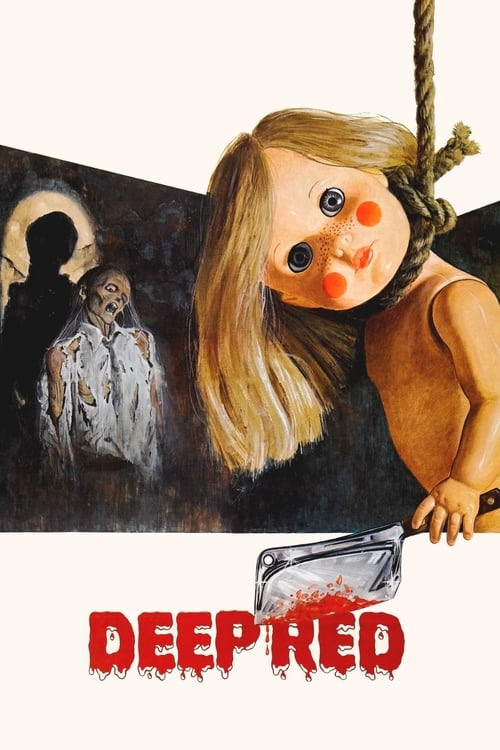
Deep Red
Dario Argento’s giallo magnum opus is a dizzying kaleidoscope of vibrant colors, intricate murder sequences, and a pulsating score by Goblin. A musician witnesses a murder and becomes embroiled in a complex, baroque mystery. Argento's signature blend of surreal logic, extreme close-ups, and stylistic flourishes creates a dreamlike, terrifying atmosphere. It’s a visually opulent and relentlessly suspenseful journey into the dark corners of memory and obsession.
2 critics · 5 lists →
#8
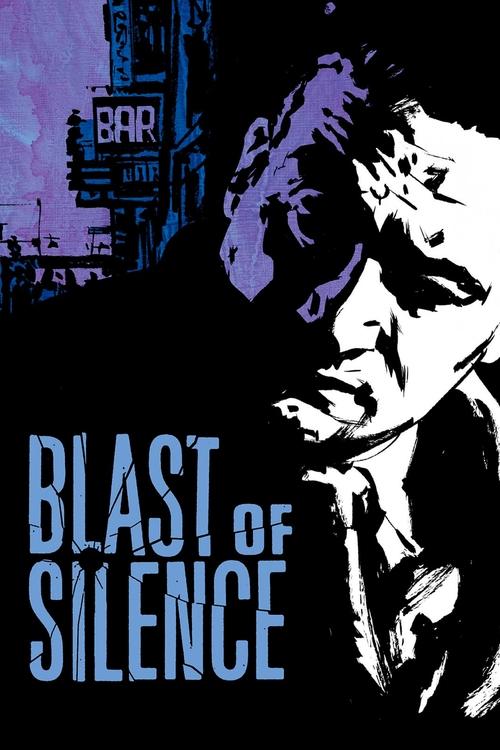
Blast of Silence
This independent, gritty B-movie is a stark, almost documentary-like portrayal of a hitman’s solitary existence during Christmas in New York City. Told through a cynical, poetic voice-over, the film plunges into a raw, unglamorous world of contract killing and urban alienation. Its low-budget aesthetic amplifies the sense of bleak realism, capturing a mood of existential despair that belies its brief runtime. A true cult gem.
2 critics · 3 lists →
#9
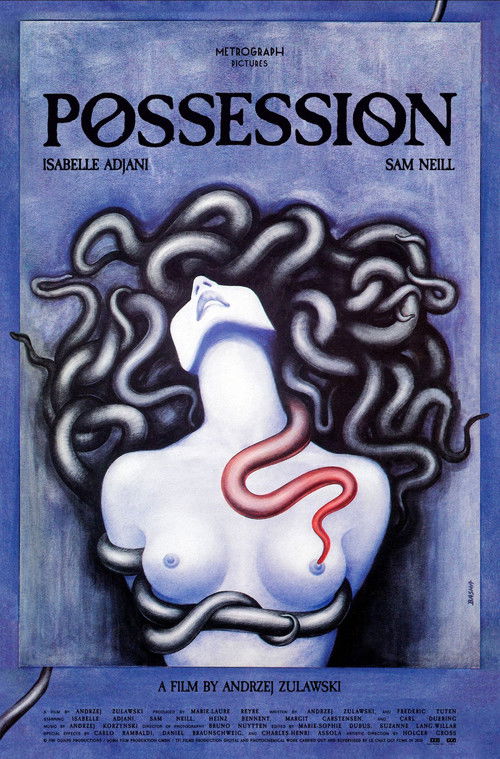
Possession
Andrzej Żuławski’s raw, unflinching, and utterly unhinged film explores the dissolution of a marriage with an intensity rarely seen on screen. Isabelle Adjani delivers a legendary, visceral performance as a woman descending into madness, while the film itself spirals into surreal horror and grotesque body horror. It’s a chaotic, emotionally exhausting, and deeply symbolic experience that defies easy categorization, leaving an indelible, disturbing mark.
4 critics · 143 lists →
#10
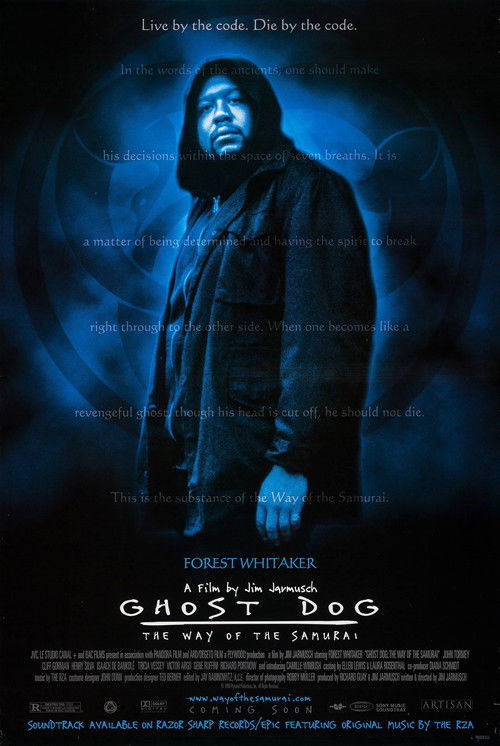
Ghost Dog: The Way of the Samurai
Jim Jarmusch masterfully blends disparate influences — samurai philosophy, hip-hop culture, and urban crime — into a singular, meditative film. Forest Whitaker plays Ghost Dog, a hitman living by the ancient code of the samurai, serving a low-level gangster. The film is a poetic, melancholic study of loyalty, solitude, and the clash of ancient traditions with modern anonymity. It’s cool, contemplative, and deeply soulful.
3 critics · 16 lists →
#11
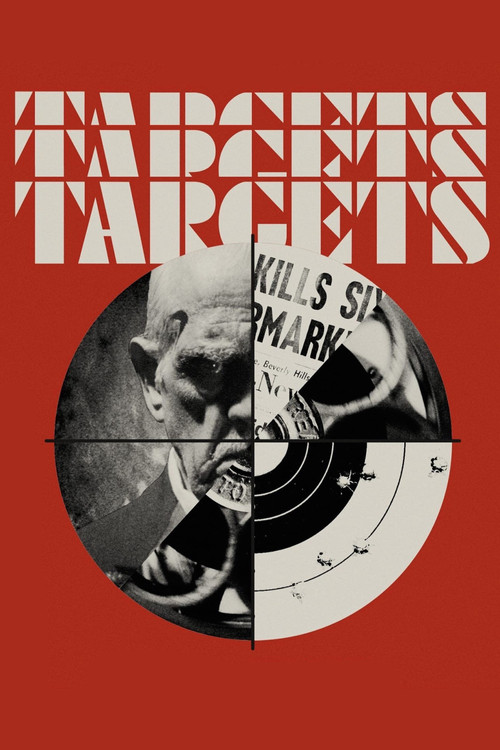
Targets
Peter Bogdanovich’s directorial debut is a chilling, prescient examination of violence in modern America. It juxtaposes an aging horror star (Boris Karloff, playing a version of himself) with a clean-cut, seemingly ordinary young man who becomes a sniper. The film expertly builds tension, reflecting a societal shift where real terror eclipses the manufactured scares of Hollywood. It remains a stark, uncomfortable, and powerful statement on the nature of fear.
3 critics · 24 lists →
0 / 11