#1
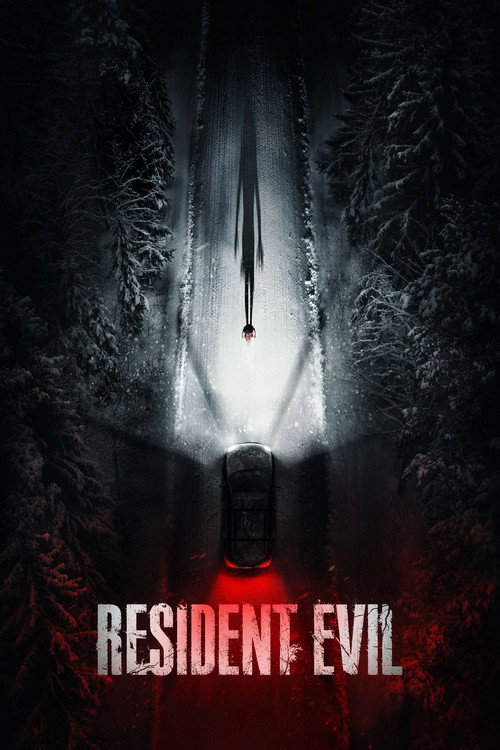
Resident Evil
Bryan's night as a medical courier going straight to hell brings this brand back to localized bio-horror panic. After years of bloated Hollywood adaptations stuffed with weightless digital sludge, stripping down to a lone courier running for his skin during a nocturnal viral collapse is the right instinct. You feel every tight corner and slammed door. Track down the physical release once it hits shelves; streaming bitrate kills dark interior contrast every single time.
#2
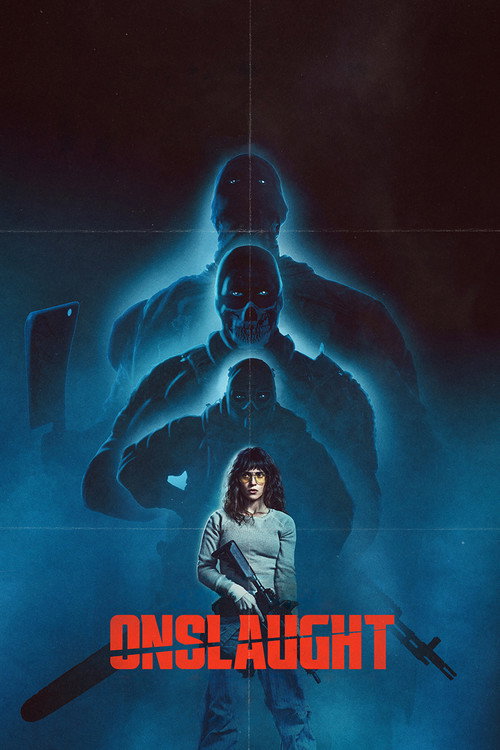
Onslaught
Genetically engineered super soldiers running wild in the desert gives bio-horror fans the exact Umbrella lab-leak scenario they crave. Throwing a lone sniper into the dirt against military mutant freaks keeps the tension grounded in ballistics and open terrain. Desert daylight cuts through the usual digital murk. It delivers honest, hard-hitting genre thrills built on dust, maternal panic, and heavy rifle fire. Get the 4K disc to appreciate the grain over flat stream noise.
#3
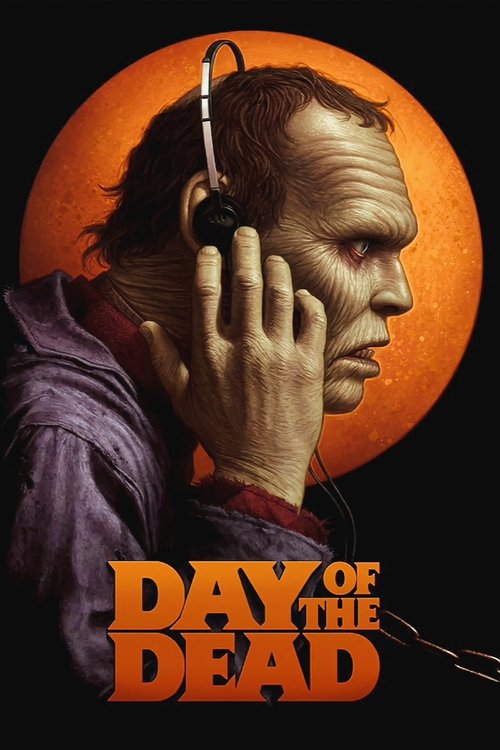
Day of the Dead
Tom Savini’s practical gore effects on George Romero’s underground bunker nightmare remain untouched. You can smell the rotting flesh and cold concrete on that grainy 35mm stock. The squelch of intestines tearing and steel bunker doors echoing through the subterranean sound mix beats any sterile digital simulation. It captures the true claustrophobia of science turning cannibalistic inside military lockdown. Watch the uncompressed transfer on physical media; Romero knew how to frame raw human cruelty without slick safety nets.
#4
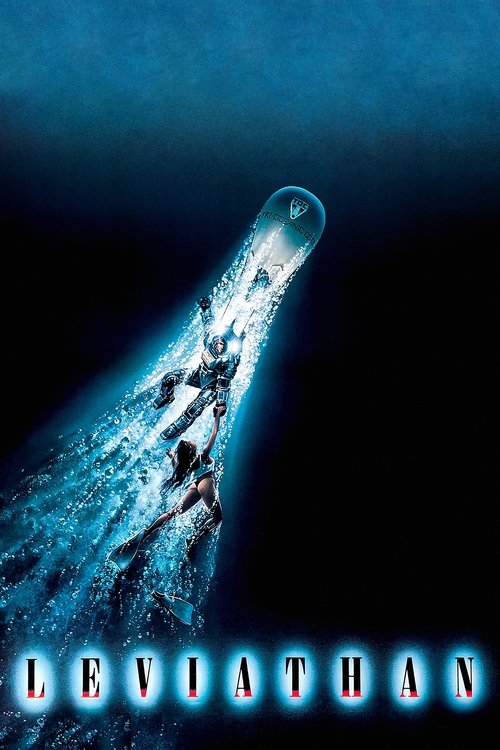
Leviathan
Stan Winston’s creature shop built a genuine, slithering genetic abomination for this underwater deep-sea pressure cooker. Alex Thomson shot it in anamorphic Panavision, capturing wet metal bulkheads, sweaty close-ups, and genuine physical grime before computer graphics sanitized horror. The mutant assimilation sequence delivers proper, squishy latex dread that rattles your speakers. Jerry Goldsmith’s score thumps with mechanical doom. Skip the washed-out streaming rip and throw on the Shout! Factory disc to appreciate Winston's rubber and foam latex artistry.
#5

Splinter
Toby Wilkins pulled off a minor miracle in an Oklahoma gas station with practical rigs, contortionists, and black spiky quills. The creature design operates like a bone-breaking parasitic pathogen, hijacking corpses with horrific snaps and jerks. Fast shutter angles capture the jagged, unnatural motion without relying on weightless digital trickery. The sound designers pushed broken bones and wet flesh right to the front of the 5.1 mix. It proves practical ingenuity always outlasts empty studio budgets.
#6
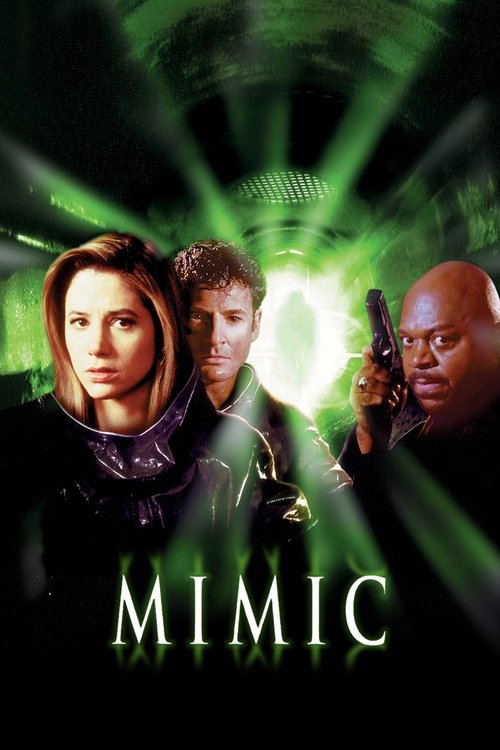
Mimic
Guillermo del Toro fought Harvey Weinstein over studio interference, but the finished film stock still drips with atmospheric filth. Dan Laustsen’s low-key cinematography coats the New York subway tunnels in amber sodium-vapor light and damp shadow. Rob Bottin’s oversized Judas breed bugs look menacing because physical models inhabited the actual grime of the sets. The clicking mandibles in the surround channels sound genuinely unnerving. Find the director’s cut on Blu-ray to bypass the compromised theatrical color timing.
#7
![[REC] (2007) poster](https://image.tmdb.org/t/p/w500/hgyJR4sgMsee6xMFM3xYiG6cDCh.jpg)
[REC]
Jaume Balagueró and Paco Plaza understood that bio-horror works best when the lens feels trapped with the victims. Shot on standard-definition digital video that mimics real television news gear, the pixelation and blown-out camera-mounted lights enhance the infection's claustrophobic spread. Pablo Rosso’s live camera operating creates dizzying panic down that Barcelona stairwell. The final night-vision sequence still packs a devastating punch without fancy visual effects. Hold onto your DVD; pristine high-def would actually ruin the rough texture.
#8
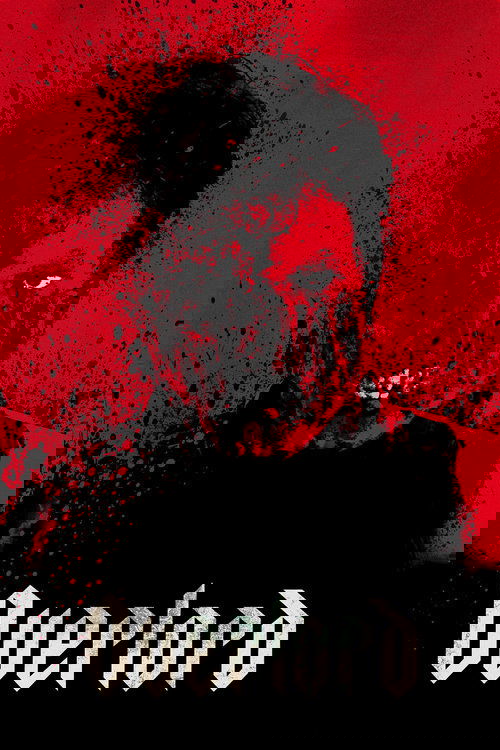
Overlord
Julius Avery delivered a World War II viral lab shocker that opens with an ear-splitting airborne drop and never lets up. The practical mutant makeup effects in the castle dungeon pay bloody homage to vintage body horror. Lab scenes feature glistening serums, stretched skin, and violent needle injections captured with crisp, high-contrast cinematography. The sound mix hits like artillery fire, shaking floorboards with every gunshot and mutated roar. It delivers visceral midnight-movie thrills with genuine mechanical craft.
#9
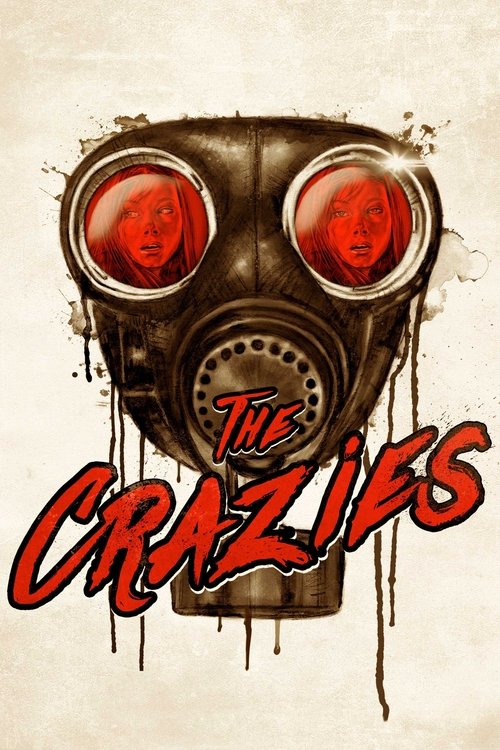
The Crazies
Romero shot this bio-weapon outbreak in Evans City, Pennsylvania on 16mm film for pocket change, and it cuts deeper than any glossy studio remake. The white hazmat suits starkly contrast against muddy rural hillsides, capturing bureaucratic collapse and chemical-induced madness. Romero edited it himself with rapid, disorienting cuts that mimic the infected mind's breakdown. The mono audio track feels harsh and immediate. It remains the raw blueprint for every viral contamination story the games ever borrowed.
#10
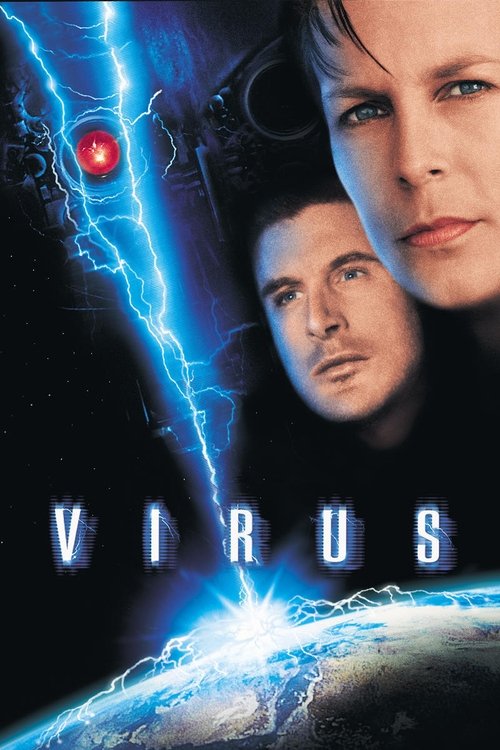
Virus
John Bruno spent a fortune on hydraulic steel armatures and rotting corpses fused with wiring, delivering the ultimate bio-mechanical wet dream. Phil Tippett’s studio built horrifying cyborg monstrosities that actually lumbered across drenched Russian research ship sets. The anamorphic Panavision framing gives the stormy ocean and wet engine rooms incredible texture. Ignore the critics who dismissed it back in ninety-nine; the practical gore and pyrotechnics put modern computer graphics to shame. Spin the disc and crank the volume.
0 / 10