

#1
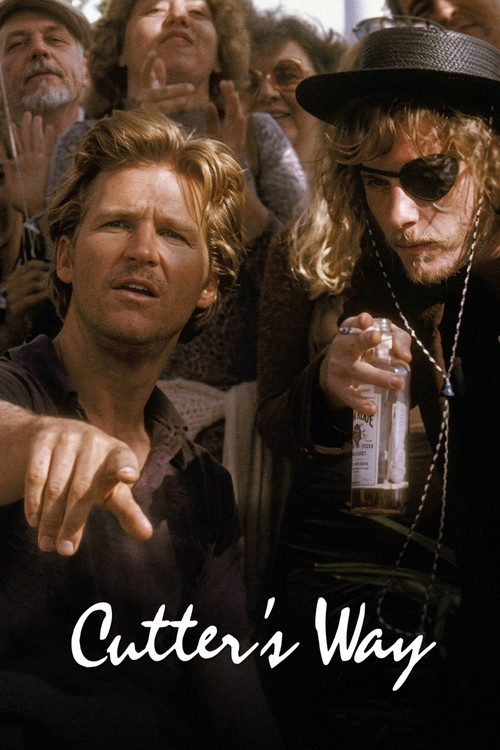
Cutter's Way
A post-Vietnam neo-noir, "Cutter's Way" captures a specific kind of American disillusionment. Jeff Bridges plays a reluctant accomplice to John Heard's one-eyed, embittered veteran, who believes he's identified a powerful murderer. The film doesn't offer easy answers, instead drowning in a pervasive sense of moral decay and a system rigged against the marginalized. Its atmosphere is heavy with futility, a slow burn that resonates with a dark, persistent melancholy. It's a stark, compelling portrait of paranoia turning into tragic conviction.
3 critics · 10 lists →
#2
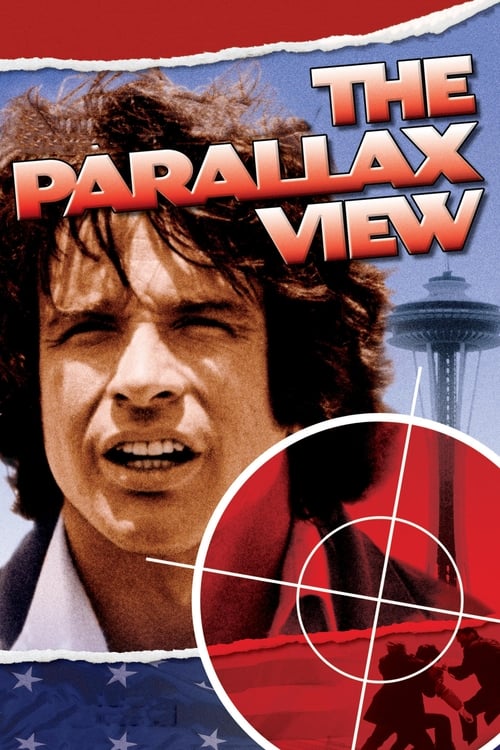
The Parallax View
Alan J. Pakula’s "The Parallax View" is a chilling masterclass in 1970s paranoia, a cornerstone of the conspiracy thriller genre. Warren Beatty plays a journalist investigating a senator's assassination, stumbling into a shadowy organization that recruits assassins. The film’s cold, detached aesthetic amplifies its themes of systemic corruption and the individual’s powerlessness against an omnipresent, faceless enemy. Its ending is notoriously bleak, leaving an indelible impression of a world where truth is irrelevant, and dissent is systematically neutralized.
3 critics · 21 lists →
#3
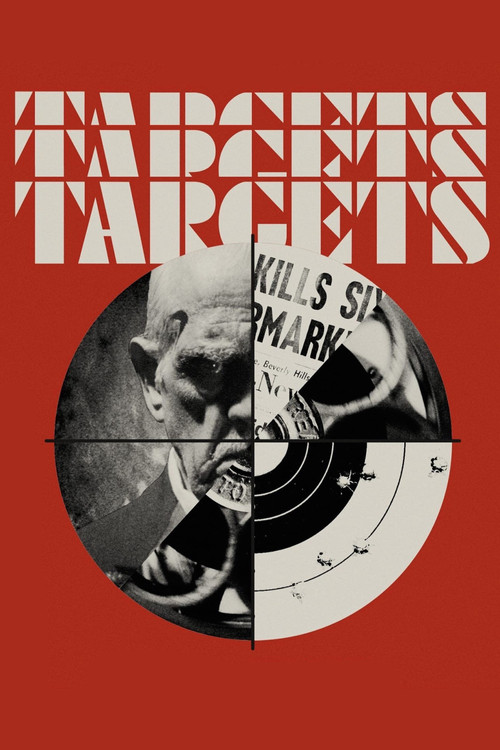
Targets
Peter Bogdanovich’s debut, "Targets," is a remarkably prescient and chilling examination of violence in America. It juxtaposes an aging horror star (Boris Karloff in his final significant role) grappling with his outdated craft against a seemingly ordinary young man who embarks on a random killing spree. The film expertly blurs the lines between cinematic terror and real-world horror, questioning where society's fascination with violence leads. It's a taut, unsettling psychological thriller that resonates with uncomfortable relevance even today.
3 critics · 24 lists →
#4
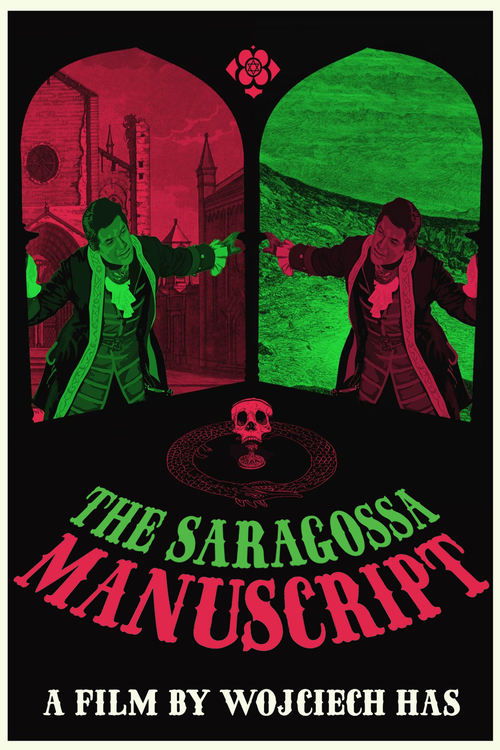
The Saragossa Manuscript
Wojciech Has’s "The Saragossa Manuscript" is a stunning, labyrinthine epic of nested narratives and philosophical inquiry. Set during the Napoleonic Wars, a young captain encounters a series of bizarre characters and tales, each story unfolding within another, creating an intoxicatingly complex structure. It’s a dreamlike journey through the picaresque, the supernatural, and the erotic, all rendered with breathtaking visual artistry. This Polish masterpiece demands patience but rewards with an unparalleled, hypnotic cinematic experience, a true jewel of surrealist storytelling.
4 critics · 17 lists →
Watch in US Klassiki
Klassiki
#5
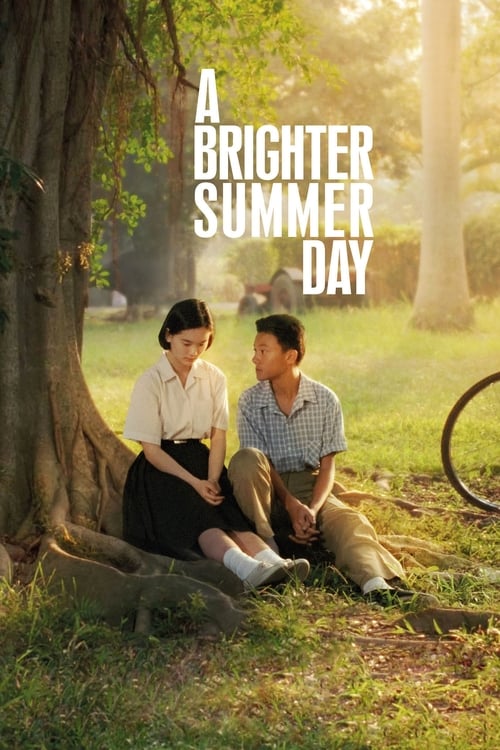
A Brighter Summer Day
Edward Yang’s "A Brighter Summer Day" is a sprawling, intimate epic set in early 1960s Taipei, portraying a nation in transition through the eyes of a teenage boy. Loosely based on a true story, it explores juvenile delinquency, street gangs, and the profound sense of displacement felt by families who fled mainland China. Yang masterfully weaves personal tragedy with societal upheaval, crafting a coming-of-age story that is both tender and devastating, a meticulous and melancholic reflection on memory and lost innocence.
3 critics · 14 lists →
Watch in US YouTube TV
YouTube TV
#6
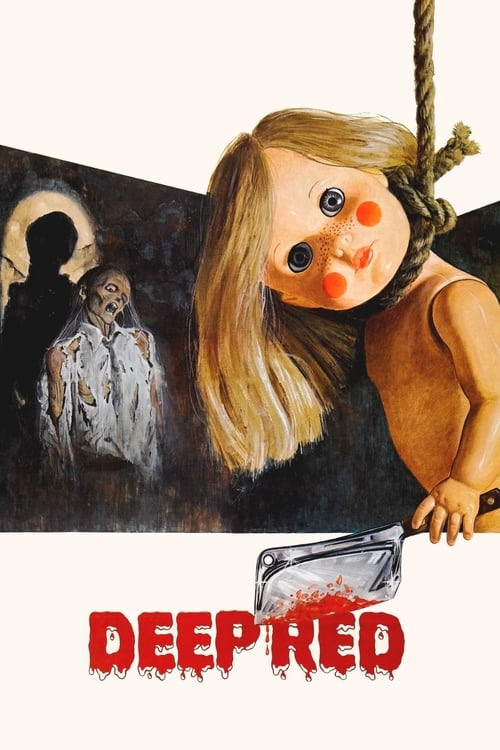
Deep Red
Dario Argento’s "Deep Red" is a quintessential giallo, a visually stunning and relentlessly stylish murder mystery that cemented his reputation. A jazz pianist witnesses a murder and finds himself drawn into a labyrinthine plot involving a serial killer. Argento’s signature flourishes—vibrant colors, elaborate death sequences, and a pulsating Goblin score—create an atmosphere of heightened tension and surreal dread. It's a masterclass in suspense, where every clue is a red herring, and the killer's identity is obscured by psychological manipulation.
2 critics · 5 lists →
#7

The Man Who Fell to Earth
Nicolas Roeg's "The Man Who Fell to Earth" stars David Bowie in an iconic, perfectly cast role as an alien who comes to Earth seeking water for his dying planet. More a hypnotic character study than a conventional sci-fi narrative, the film explores themes of alienation, consumerism, and the corrupting nature of human society. Roeg's fractured, non-linear editing style and surreal imagery create a disorienting, dreamlike experience. It’s a profound, melancholic meditation on otherness and the tragic isolation of being too sensitive for this world.
3 critics · 23 lists →
#8
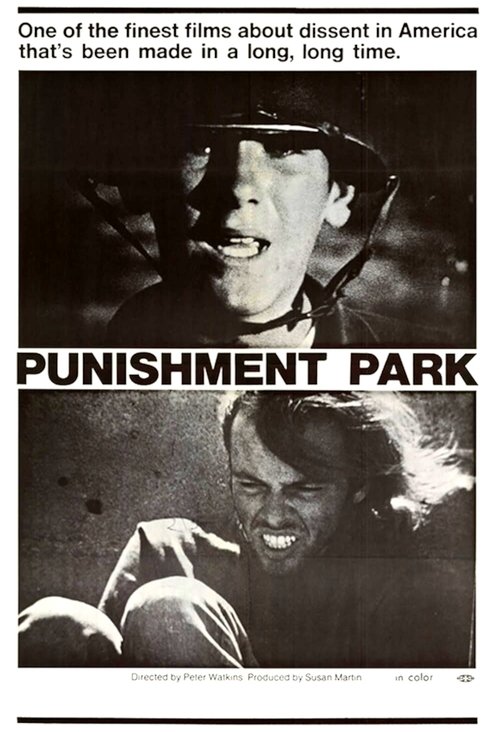
Punishment Park
Peter Watkins’ "Punishment Park" is a searing, provocative mockumentary presenting a terrifying alternate reality of 1970 America. In this dystopian vision, political dissidents and anti-war protestors are given a choice: face harsh prison sentences or survive three days in a desert "Punishment Park" pursued by law enforcement. Shot with urgent, cinéma vérité style, it’s a brutal, relentless critique of government overreach and civil liberties, a chillingly prescient film that feels uncomfortably relevant in its portrayal of societal division and state violence.
#9

Johnny Guitar
Nicholas Ray's "Johnny Guitar" is an utterly singular, audacious Western that defies genre conventions. Joan Crawford delivers a powerhouse performance as Vienna, a saloon owner battling a furious posse and her own past with the mysterious Johnny Guitar. This isn't just a Western; it's a vibrant, almost theatrical melodrama about gender, power, and societal hysteria, drenched in Freudian undertones and striking Technicolor. Its camp sensibility and subversion of masculine tropes make it a fascinating, unforgettable cinematic experience, ahead of its time.
#10

Black God, White Devil
Glauber Rocha's "Black God, White Devil" is a seminal work of Brazil's Cinema Novo, a raw and revolutionary epic set in the arid sertão. It follows a cowhand who kills his boss and becomes entangled first with a messianic religious leader, then a band of cangaceiros (social bandits). Rocha’s stark, poetic imagery and non-linear narrative condemn social injustice and explore the cycle of violence and fanaticism born from poverty. It’s a powerful, mythic, and intensely political film that resonates with a furious, visceral energy.
#11

Killer of Sheep
Charles Burnett's "Killer of Sheep" is an extraordinary, poetic portrayal of daily life in 1970s Watts, Los Angeles. Shot in a raw, neorealist style, it follows Stan, a slaughterhouse worker, as he grapples with the monotony and emotional toll of his job and his relationships. The film captures moments of quiet despair alongside fleeting joys and tender interactions, creating an unflinching yet deeply humanistic portrait of working-class Black America. It’s a profoundly moving, essential piece of independent cinema, rich in authenticity and understated power.
3 critics · 27 lists →
Watch in US Kino Film Collection
Kino Film Collection
0 / 11