#1
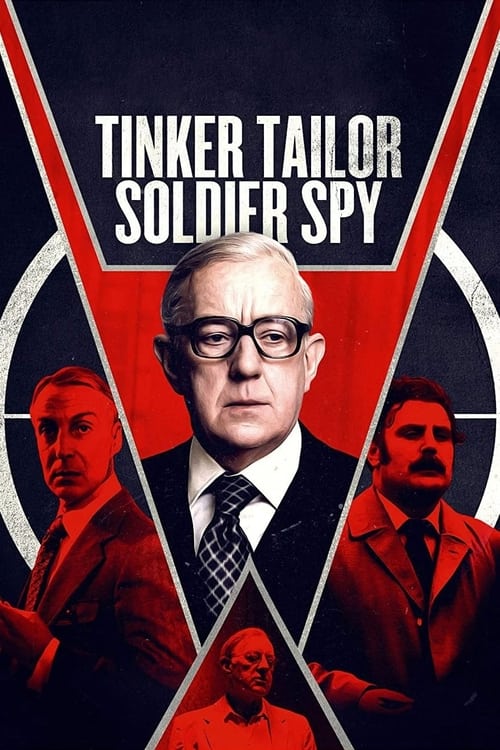
Tinker Tailor Soldier Spy
Look at the grain on this videotape. Alec Guinness sits in damp, beige rooms, letting silence do the work that modern editors would ruin with quick cuts. You can practically smell the tea cooling on the Formica desks. It aired in seven parts, and people waited seven whole days between chapters, talking across watercoolers on Monday morning. The BBC shot the interiors on flat, fluorescent studio soundstages, making bureaucratic treason feel cold, mundane, and utterly human.
#2
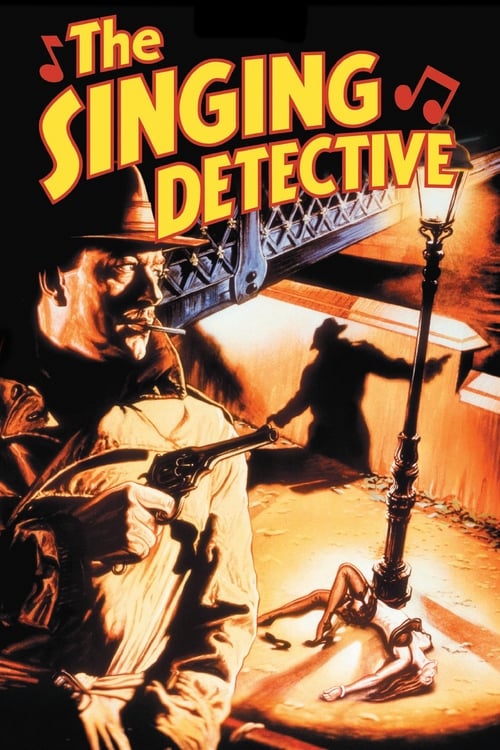
The Singing Detective
Dennis Potter understood what cathode-ray tubes were built for: raw neurosis. Michael Gambon lies covered in psoriasis on a sterile hospital ward set, hallucinating 1940s dance bands between agonized moans. The transitions between gritty video and moody film stock gave 1980s television an electric, unpredictable danger. Viewers tuned into BBC1 and had their nerves rubbed raw by a show that refused to behave like polite costume drama. They simply do not stage human pain like this anymore.
#3
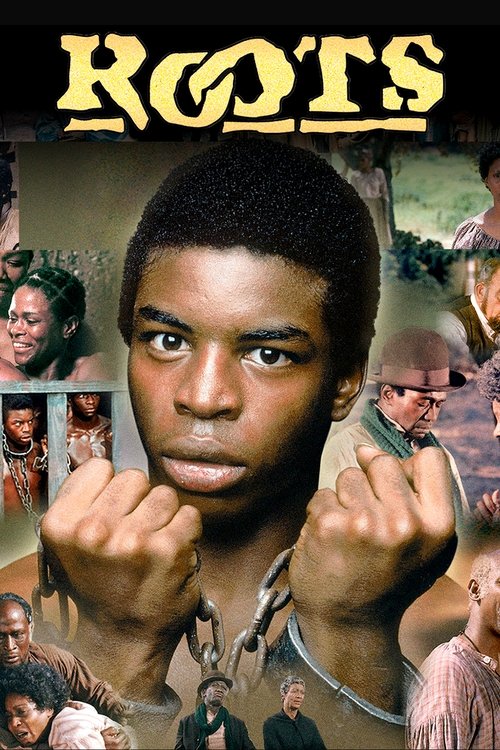
Roots
Fred Silverman ran all eight episodes across eight consecutive nights on ABC, terrified of a flop, and wound up freezing American civic life in its tracks. Streets emptied. Tavern owners turned their sets to ABC and forgot to pour drinks. The backlot plantation sets carry that golden, slightly artificial studio glow, but the performances cut straight through the television glass. It proved the medium could deliver a massive, shared national reckoning right into the living room.
#4
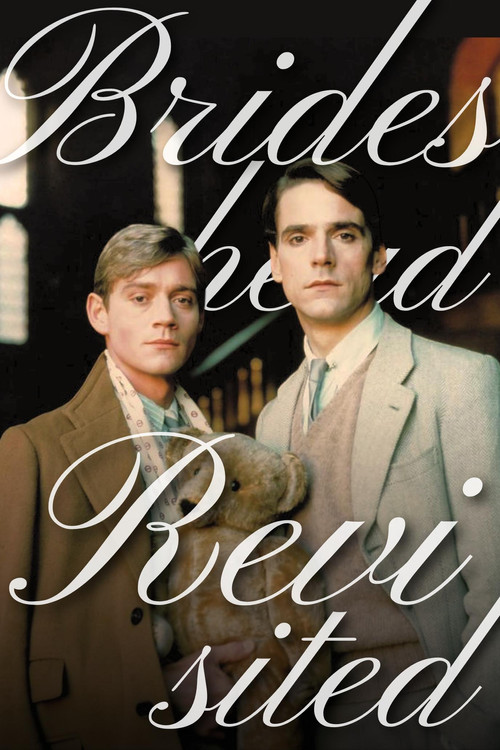
Brideshead Revisited
Granada Television shut down production for a technician strike and waited months for the English summer light to return. That patience shows in every foot of 16mm film. Jeremy Irons narrates with the melancholy rhythm of an evening radio announcer eulogizing a vanished world. It unfurls like molasses, trusting the viewer to sit still in an armchair for eleven episodes without dangling cheap cliffhangers. Commercial television once possessed that kind of astonishing, quiet confidence.
#5

Shōgun
NBC took a staggering gamble here. They sent Richard Chamberlain to Japan and refused to use subtitles for the Japanese dialogue, relying on Orson Welles to rumble out narration over commercial bumpers. Millions sat in front of their wood-paneled console sets, mesmerized by the clash of cultures and the damp, misty location photography. It felt gigantic because network television treated it like an international summit meeting. You bought the paperback on Friday and watched all week.
#6
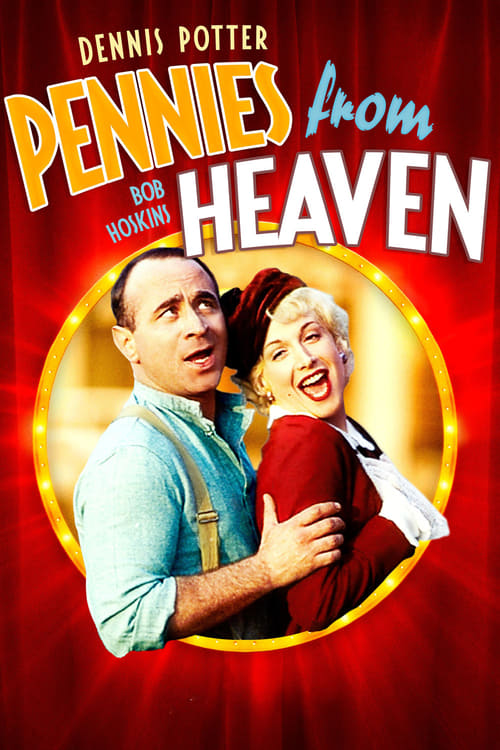
Pennies from Heaven
Dennis Potter struck upon something eerie here: having broken, desperate Depression-era characters lip-sync to buoyant 1930s shellac recordings. Bob Hoskins wanders through deliberately cheap, stagey BBC sets, grinning through a song before the harsh studio lights yank him back to cold reality. It caught the British public completely off guard on Thursday nights. You can see the edges of the painted flats, and that stagebound artificiality makes the underlying tragedy hurt ten times worse.
#7
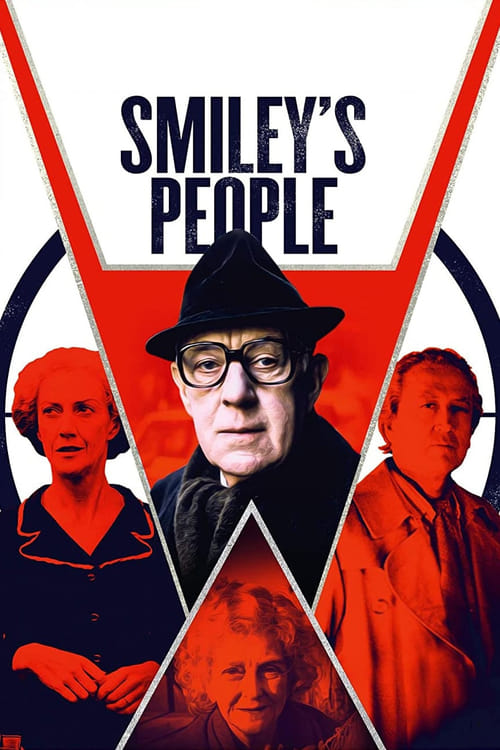
Smiley's People
Guinness put the heavy horn-rimmed glasses back on, and the BBC brought back the muted palette. John le Carré’s final Cold War chess match belongs to an era of television where two men sitting on a park bench could hold an audience breathless for ten uninterrupted minutes. The videotaped interiors give the safehouses a suffocating, fluorescent claustrophobia. By the time Smiley reaches the Berlin Wall crossing, the triumph tastes like ashes and stale filter cigarettes.
#8
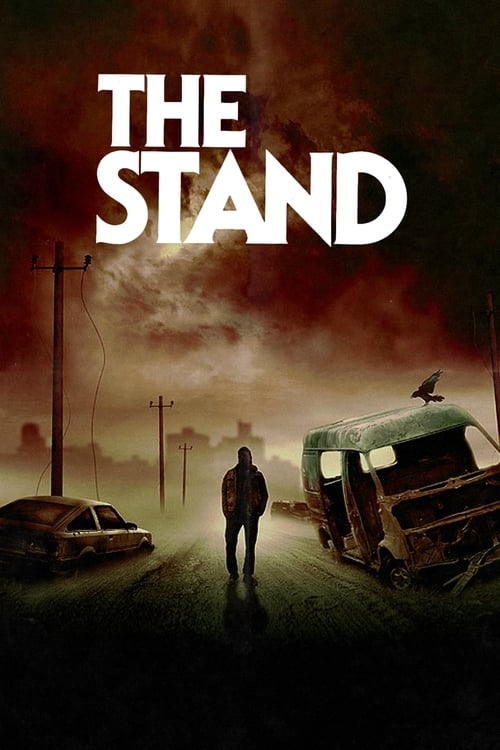
The Stand
This arrived during May sweeps on ABC, back when network miniseries were gargantuan communal events. Mick Garris worked within strict broadcast standards, finding clever ways to imply post-apocalyptic rot without losing middle America. You had Gary Sinise, commercial breaks built around hard act-outs, and matte paintings that looked magnificent on a twenty-seven-inch cathode-ray tube. It represents the glorious twilight of the four-night network blockbusters, staged with broad, earnest ambition and massive ensemble casts.
#9
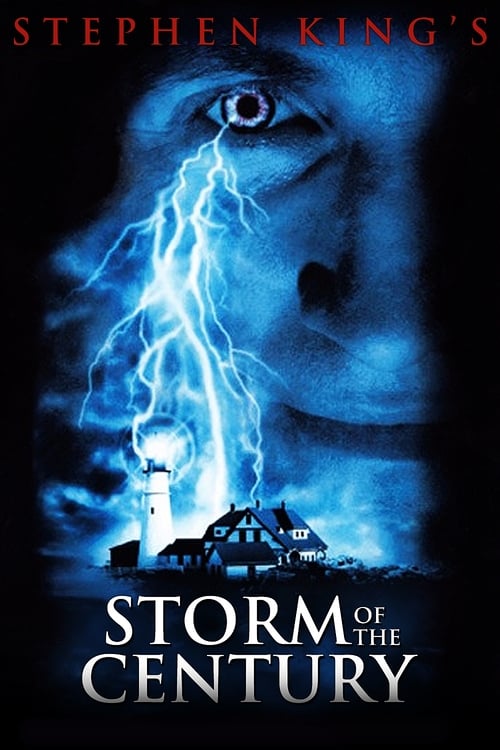
Storm of the Century
Stephen King wrote this directly for television, tailor-made for three frosty February nights on ABC. The wind howling through Little Tall Island felt like it was rattling the storm windows of your own house. Colm Feore gives a chilling, theatrical turn as Andre Linoge, while practical snow machines blast the soundstage sets into oblivion. It understood the theatrical rhythm of television broadcasting: suspense engineered to make you anticipate the commercials and crave the final act.
#10

Jesus of Nazareth
Lew Grade put up the money, Franco Zeffirelli set up the cameras in Morocco, and Robert Powell famously avoided blinking on screen. Broadcast across Palm Sunday and Easter on NBC, this was appointment viewing for entire families squeezed together on velvet sofas. The lighting is pure classical painting, and the pacing breathes like an ancient epic poem. It represents the height of the transatlantic broadcast co-production, treated with an earnest, reverent gravity long vanished from our screens.
0 / 10