#1

Homework
Most people credit the riffs, but the real star here is the cheap Alesis 3630 compressor slammed into oblivion. You can hear the stereo bus gasping for air on every kick hit. That ducking effect practically invented modern side-chain pump in dance music. The high hats on the 909 cut right through the saturated mid-range without harshness. It proves you can track straight out of a Mackie desk and still demolish festival sound systems.
#2

Timeless
Look at how the breaks sit in this 1995 mix. The time-stretched Amen slices from the Akai S1100 hit with surgical transient clarity. Most jungle records back then had sloppy, muddy basslines that ate up all the headroom, but here the 808 subs sit tight around forty hertz without choking the kick drum. And those sweeping orchestral pads have miles of stereo width. It showed bedroom beatmakers how to balance raw breakbeats against pristine dynamic range.
#3

Leftism
This record rewrote club standards for sub-bass management. Dropping heavy low-end into house tracks usually killed the punch, but the mix engineers carved precise pockets between sixty and ninety hertz. The kick drums knock hard because the decay is choked before the bass synth blooms. Every dub echo has its own dedicated high-pass filter so nothing smears across the stereo field. It sounds massive on giant club stacks while keeping every shaker crystal clear on cheap headphones.
#4

Fat of the Land
The sheer violence of this 1997 mixdown still sets the benchmark for industrial breakbeat. Liam Howlett smashed rock guitars and sampled funk breaks through outboard preamps until the transients turned into razor blades. The snare on every single drop cracks like a pistol shot because the two-to-four kilohertz pocket is boosted relentlessly. Many producers tried copying this sound and ended up with brittle digital distortion, but this board mix squeezed maximum loudness out of analog tape saturation.
#5
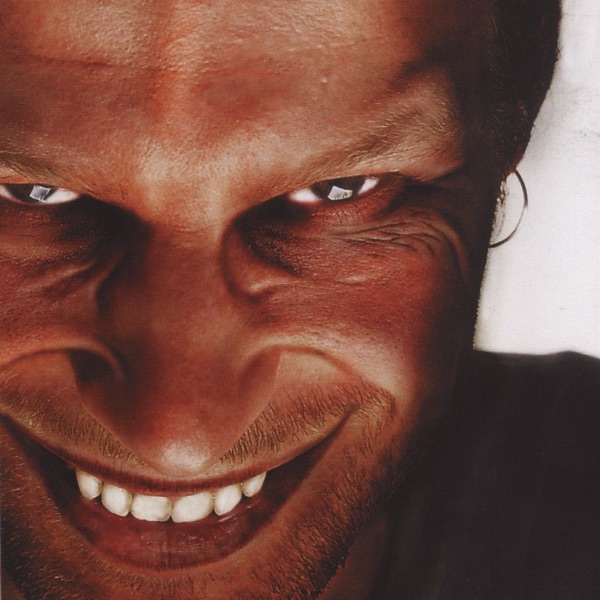
Richard D. James Album
Micro-editing drums in 1996 was pure hell, but Richard pulled it off inside basic tracker software. Listen to the snare rolls: they are pitched, reversed, and filtered at breakneck speed, yet each micro-transient cuts through the lush string arrangements cleanly. He left zero room for low-mid buildup by aggressively high-passing the strings. That left all the room for rapid-fire 808 sub hits and punchy digital clicks. It redefined surgical drum editing for an entire generation of bedroom producers.
#6

Tri Repetae
Industrial grit meets pure mathematical precision on this 1995 LP. The kick drums sound like metallic hydraulic pistons slamming against concrete. Instead of burying the mix in murky reverb, the duo kept the decay times brutally dry. You hear every tiny digital glitch, metallic resonance, and mechanical squeak in hyper-focus. The low end is carved with extreme notch filters, so the subs never clash with the cold, clicky percussion. It remains a clinic in sterile, hard-edged transient control.
#7
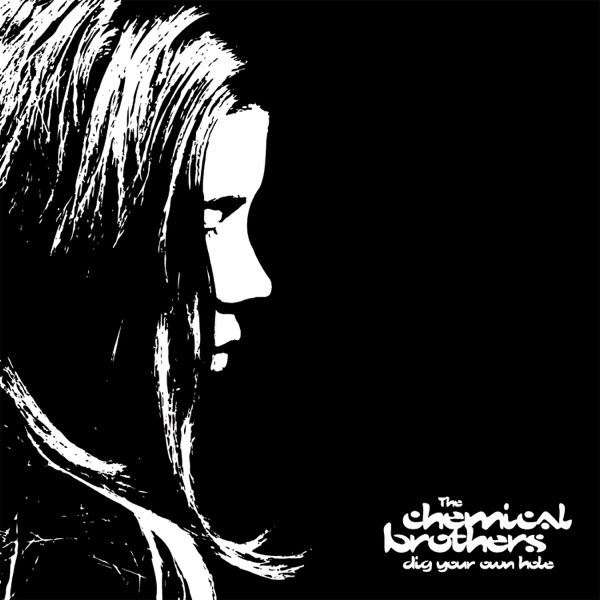
Dig Your Own Hole
This record proved how loud big beat drums could go without disintegrating into mush. Engineer Steve Dub cranked vintage compressors to pin the acoustic drum breaks right against your eardrums. The basslines growl across the low-mids, filling out the space under the distorted vocal chops and psychedelic synth risers. And the snare hits hit like a baseball bat thanks to extreme parallel compression. If you want heavy groove with raw live energy, study this track separation.
#8

CROSS
Whoever handled the master chain on this 2007 cut pushed digital limiters past the red line on purpose. The distortion on the electro bass patches creates nasty harmonic overtones that bite right through small laptop speakers. The kick drum is flattened into an aggressive square wave, ducking the chopped micro-samples with ruthless speed. It discarded classic audiophile headroom in favor of pure, in-your-face loudness. Love it or hate it, that blown-out mid-range presence defined mid-2000s electro-house mixing.
#9

Feed Me Weird Things
Combining hyper-fast sampled breaks with live electric bass is an engineering nightmare, but Tom Jenkinson nailed it here in 1996. The trick is how the live bass guitar sits above the sub frequencies. He kept the low fundamental clean while pushing the pick attack in the upper mids. That let the sped-up drill-and-bass kick drums punch through underneath without turning into muddy sludge. The drum programming sounds frantic, but the mix down remains tight, focused, and punchy.
0 / 9