

#1
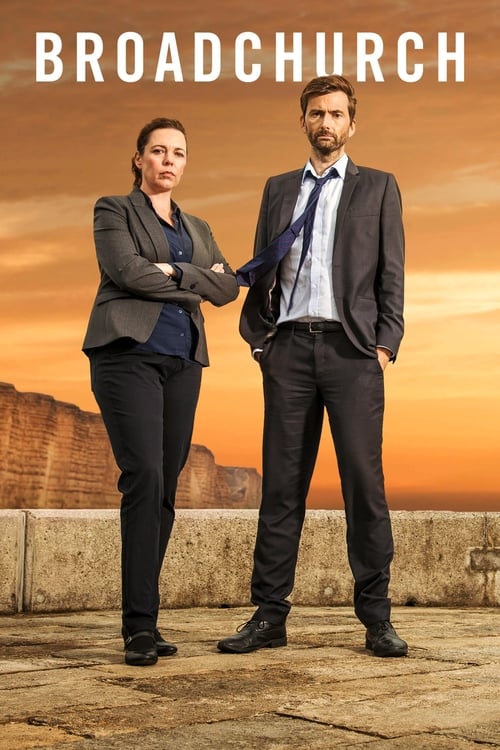
Broadchurch
Chris Chibnall mapped season one with mathematical precision. You get eight tightly wound episodes tracking the ripple effects of Danny Latimer’s death across a tight Dorset community. Alec Hardy and Ellie Miller anchor the procedural grind, counterbalancing cynical exhaustion with raw local grief. Instead of cheating with arbitrary red herrings, the narrative tracks genuine human fallout right up to that devastating penultimate reveal. The finale pays off every visual breadcrumb established in the pilot's opening frames.
#2
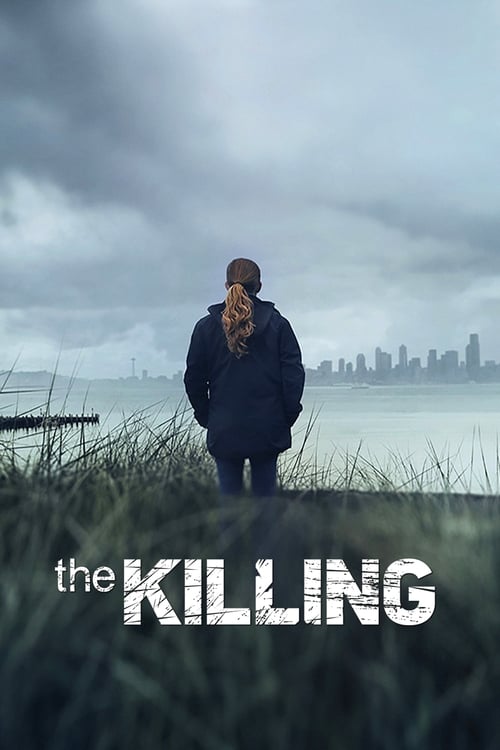
The Killing
People revolted when the season one finale withheld the killer, but Veena Sud was playing a deliberate twenty-six-episode long game. Sarah Linden and Stephen Holder work Seattle’s bleak fringes, digging into Rosie Larsen’s disappearance through methodical, grey-drenched police work. The plot patiently explores city hall politics alongside raw parental devastation without taking easy shortcuts. By the time season two wraps the case, every frustrating detour clicks into place, delivering an emotionally devastating resolution that feels completely earned.
#3

Top of the Lake
Jane Campion brought cinematic patience to television before it became an industry standard. Robin Griffin’s return to rural New Zealand to investigate pregnant twelve-year-old Tui Mitcham unfolds with staggering geographical menace. The narrative refuses procedural velocity. It favors quiet, uncomfortable character beats and systemic misogyny, building atmospheric dread across six meticulous hours. When the central mystery snaps shut in the finale, the reveal lands like a physical blow, exposing generational rot that had been hiding in plain sight.
#4
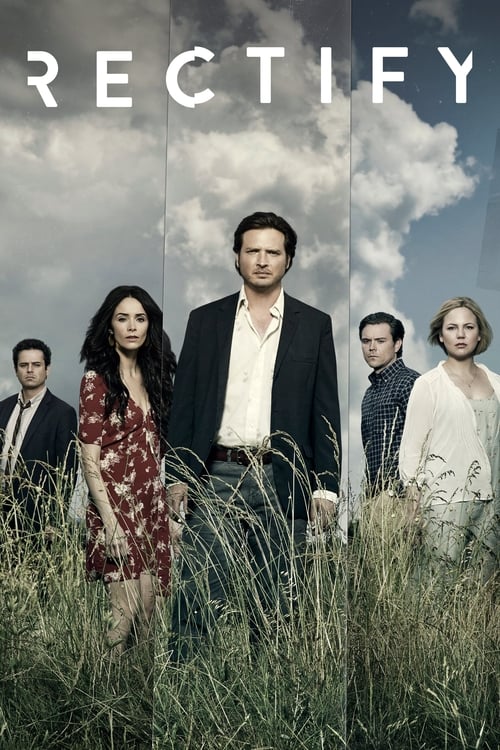
Rectify
Ray McKinnon constructed a southern gothic mystery where the unresolved crime serves as background radiation. Daniel Holden walks off death row after nineteen years, leaving Paulie, Georgia split between doubt and defensive rage. McKinnon stretches time deliberately, giving equal dramatic weight to a silent walk through a superstore and an interrogation transcript. The question of Daniel’s guilt never gets cheap sensationalism. Instead, the multi-season arc dissects memory, institutional inertia, and the agonizing weight of lingering doubt.
2 critics · 6 lists →
#5
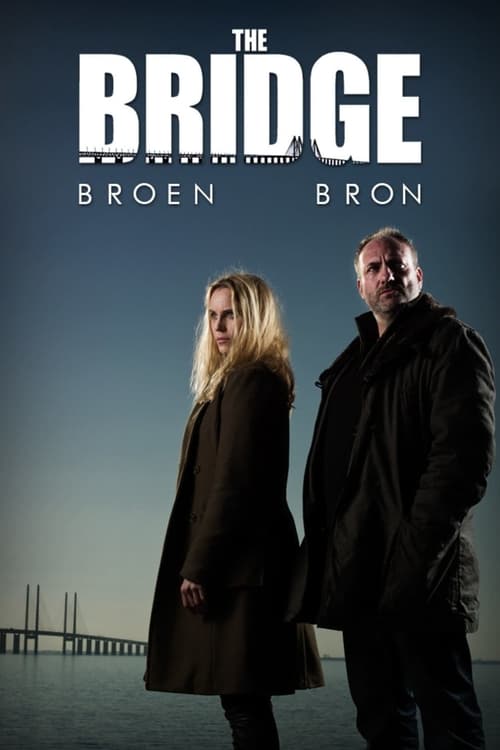
The Bridge
The cold open sets a gold standard: a severed body positioned precisely across the Sweden-Denmark border line. What begins as a cross-border jurisdictional headache turns into a ten-episode tactical chess match against a methodical killer. Saga Norén and Martin Rohde form television's sharpest odd-couple pairing, their clashing methods grounding the procedural mechanics. Hans Rosenfeldt keeps the plotting brutally efficient, escalating tension episode by episode until the personal vendetta at the core detonates with devastating precision.
2 critics · 2 lists →
#6
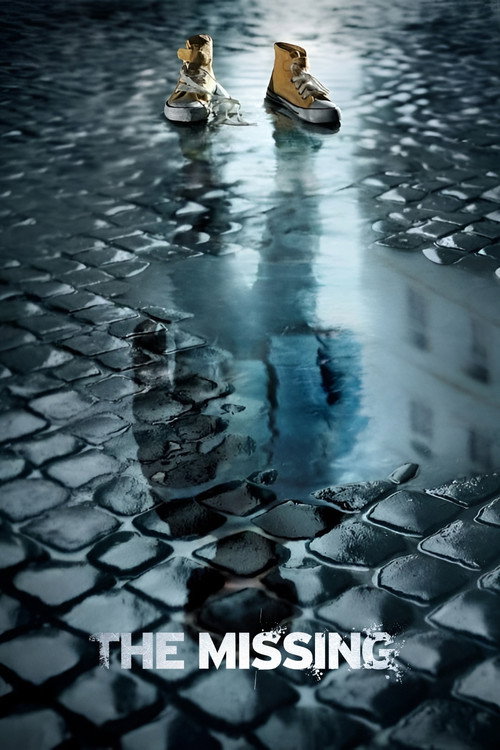
The Missing
Dual timelines can easily degenerate into cheap narrative gimmicks, but Harry and Jack Williams made the temporal split essential to the tragedy. Tracking Tony Hughes’ obsessive hunt for his abducted son across eight years in northern France, the season uses time jumps to illustrate how unsolved cases rot lives from within. Tcheky Karyo’s Julien Baptiste provides the steady procedural pulse, keeping the investigation moving while the scripts systematically dismantle hope. That brutal, ambiguous ending haunts long after.
#7
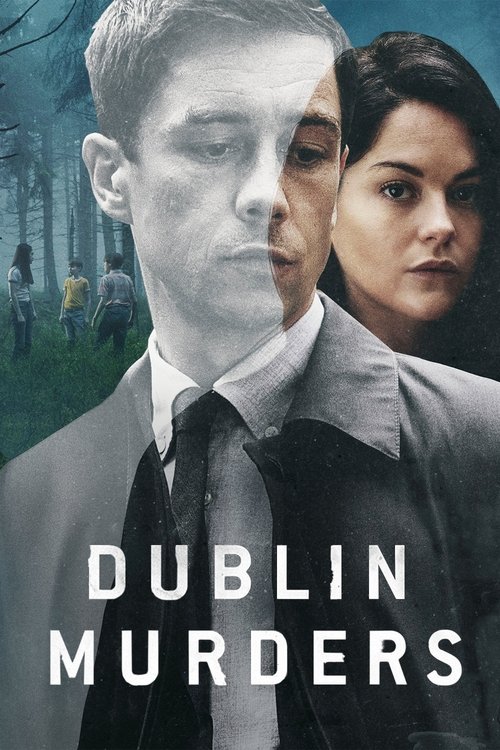
Dublin Murders
Adapting two dense Tana French novels into eight episodes was an ambitious gamble, yet Sarah Phelps pulled it off by leaning hard into psychological rot. Detectives Rob Reilly and Cassie Maddox tackle a child murder in Knocknaree that dredges up Rob’s buried childhood trauma. The show lets atmospheric unease take precedence over clean procedural deductions, blurring memory and folklore. It risks alienating viewers who want easy closure, culminating in an unsettling finale that treats unresolved trauma with absolute seriousness.
#8
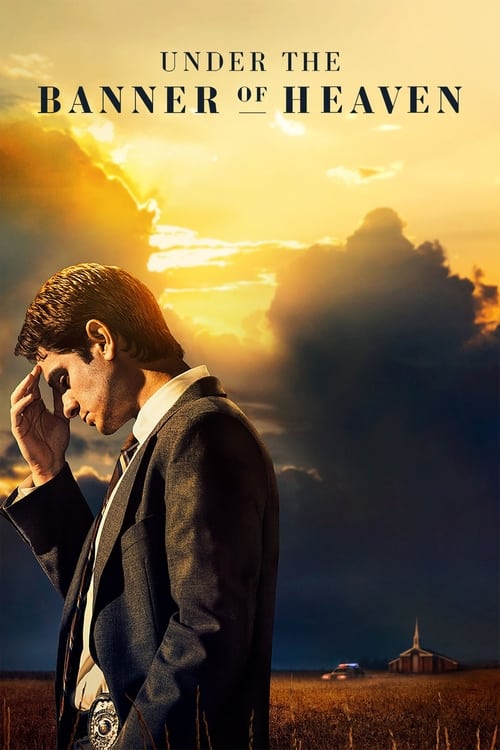
Under the Banner of Heaven
Dustin Lance Black constructs this seven-episode miniseries around a crisis of faith colliding with brutal fundamentalist violence. Detective Jeb Pyre investigates the 1984 murder of Brenda Lafferty and her infant daughter, using the inquiry to pull back layers of radicalized Mormon history. The structure mirrors classic prestige crime drama, alternating methodical interrogation room face-offs with historical flashbacks. Andrew Garfield portrays Pyre’s spiritual unraveling with quiet intensity, making the season finale hit with devastating institutional weight.
0 / 8