#1

Psycho
Herrmann stripped out winds and brass, restricting the 1960 orchestration strictly to strings. When those bows saw into the high register, magnetic tape eats the friction and spits out jagged harmonics. You can hear rosin scraping off horsehair, amplified by close microphone placement in a dry acoustic space. McNeely’s reading preserves that claustrophobic dynamic swing. Modern remasters try to clean up the room hiss, but that tape grain gives the shower shrieks their terrifying, percussive weight.
#2

Rosemary's Baby
Komeda cut this session with a velvet touch that decays into pure dread. Mia Farrow’s opening vocal hum carries faint print-through on the analog reels, sounding like a ghost trapped in the studio walls. Polish jazz sensibilities haunt the rhythm section, where double bass thuds with woody resonance and brushed cymbals bleed into ribbon mics. Tape saturation warms the midrange, turning a lullaby into a poisoned chalice. Forget sterile streaming; this needs heavy black vinyl.
#3

Don't Look Now
Venice smells of damp stone, and Donaggio captured that moisture directly on quarter-inch tape. The 1973 sessions rely on grand piano motifs that smear softly at the edges when struck hard, saturated right at the red line of the console. Flutes float across stereo channels with natural, cavernous decay, while Zanicchi’s vocal presence adds an earthy Mediterranean sorrow. There is no synthetic sheen here. You get genuine acoustic bleed, microphonic tube warmth, and inescapable grief.
#4
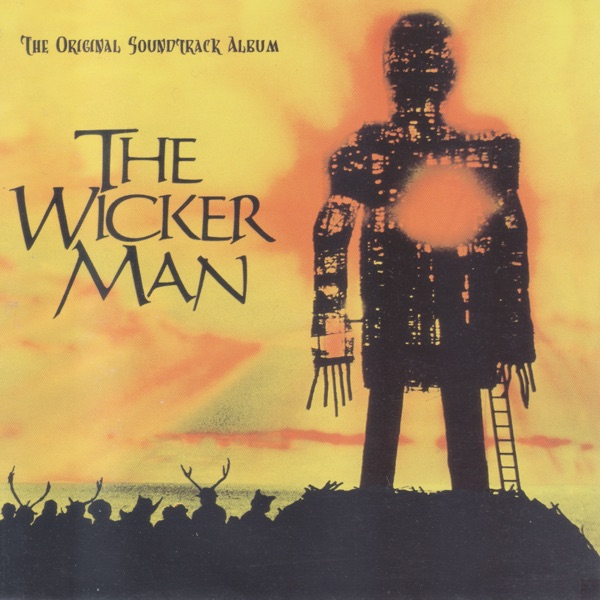
The Wicker Man
Pagan folk recorded with pastoral daylight hiding venomous intent. The acoustic guitars ring out with bright phosphor-bronze attack, unvarnished and slightly out of tune in the best communal way. Giovanni mixed hand drums, pennywhistles, and group vocals that spill into adjacent microphones, creating lush room ambience. Analog tape compression pulls the delicate fingerpicking forward, making the melodies sound dangerously tactile. Spin this on tube gear to smell the sweet smoke of burning pine and heather.
#5
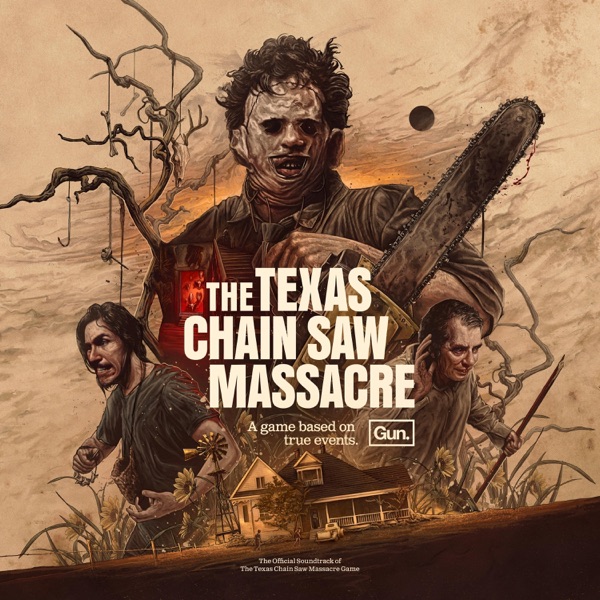
The Texas Chain Saw Massacre
Industrial musique concrète drenched in sweat and redline distortion. Exploring the sonic world of the 1974 nightmare, Tregenza channels brutal tape manipulation, running bone scrapings, metallic clangs, and animal shrieks through battered analog heads. The dynamic range feels suffocatingly narrow, choked intentionally to mimic an uncalibrated reel-to-reel deck melting under the Texas sun. There are no safe symphonic harmonies. It is pure tactile ugliness, where tape flutter and hiss become vicious instruments of psychological abuse.
#6

Profondo rosso
Italian progressive rock pushed so hard against the input meters that the transients bleed into fuzz. Simonetti and Goblin built a gothic maze out of church organs, fuzz bass, and razor-sharp Moog lines. The 1975 recording has that unmistakable Cinevox studio character: dry drum fills, clipping electric piano, and heavy magnetic saturation smoothing out the high-frequency crunch. It sounds greasy, dangerous, and alive with human urgency. Put it on a turntable and crank the preamp volume.
#7
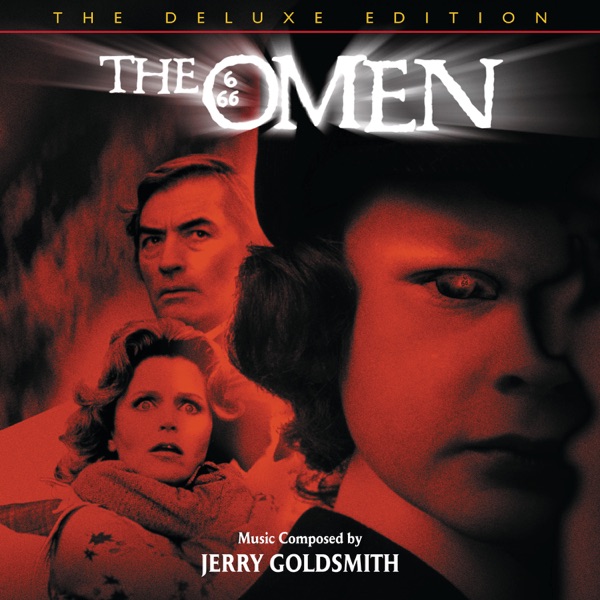
The Omen
Goldsmith pushed choral horror into visceral, physical territory by slamming Abbey Road’s multi-track machines. The Latin chanting in 'Ave Satani' clips just enough on the tape peaks to lend the choir a ragged, unholy growl. Heavy orchestral brass bites through the mix with throat-punch presence, grounded by timpani hits that rattle the lower octave without muddying up. You can feel the acoustic boundaries of the scoring stage in every fortissimo swell. Modern digital masters sound sterile beside this.
0 / 7