#1
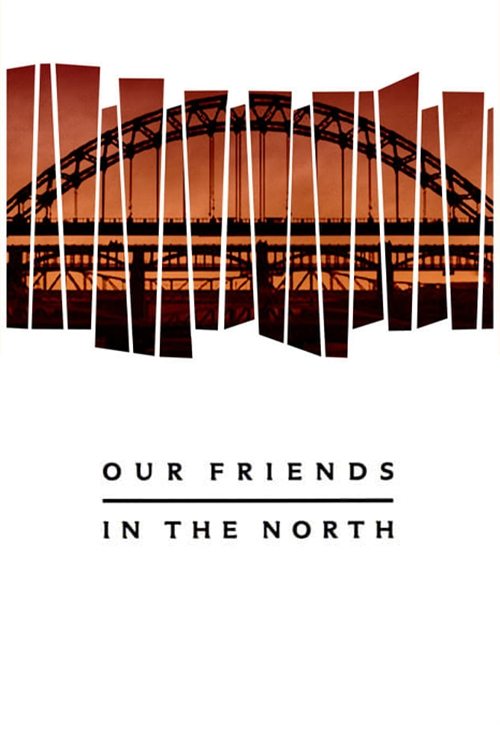
Our Friends in the North
Peter Flannery mapped thirty-one years across nine sprawling chapters, giving us the ultimate blueprint for serialized character decay. Following Nicky, Geordie, Tosker, and Mary from the 1964 general election to 1995 feels like tracking the soul of modern Britain. The show earns every single gray hair and cynical betrayal. When the finale brings Nicky back to the Tyne bridge, the emotional toll lands with staggering gravity because every political compromise and personal failure was laid brick by brick.
#2
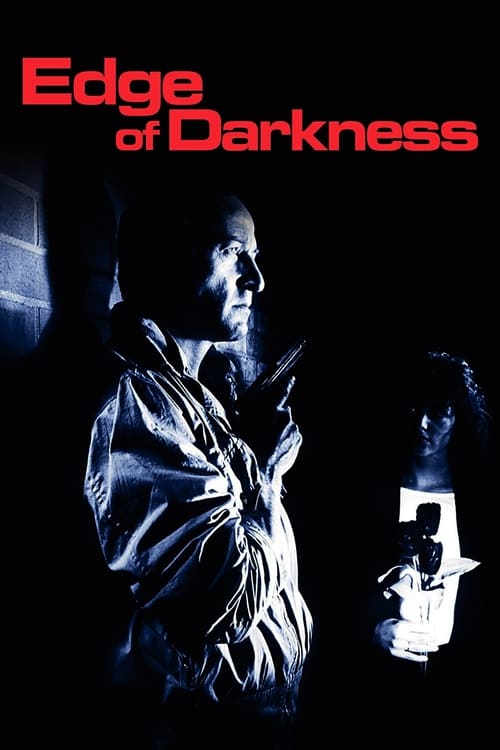
Edge of Darkness
Troy Kennedy Martin crafted six episodes of pure narrative dread. Ronald Craven starts investigating his daughter’s execution on his front porch, expecting standard police corruption. Instead, the story pivots hard into subterranean state secrets and cold-war nuclear paranoia. Few series ever paced a descent into obsession this well. Craven’s dead daughter talking to him never feels like a cheap gimmick; it becomes the emotional engine steering him toward an apocalyptic, black-flowers finale that haunts you forever.
2 critics · 2 lists →
#3
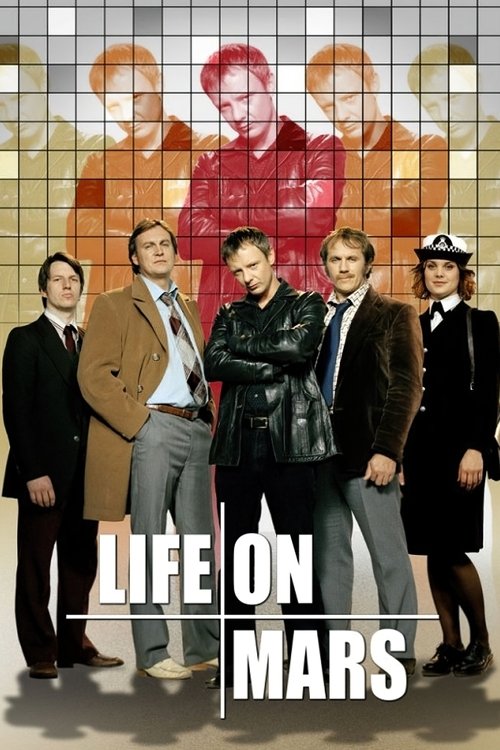
Life on Mars
Two seasons, sixteen tight hours, and a crystal-clear exit strategy. That is how you execute a high-concept procedural. Sam Tyler waking up in 1973 gave us Gene Hunt’s sledgehammer policing, but the serialized spine kept us obsessed with Sam’s psychological reality. Is he in a coma, mad, or time-traveling? The writers resisted stretching the mystery out for diminishing returns. They stuck the landing with a devastating, roof-jumping finale that gave Tyler absolute agency over his own existence.
#4
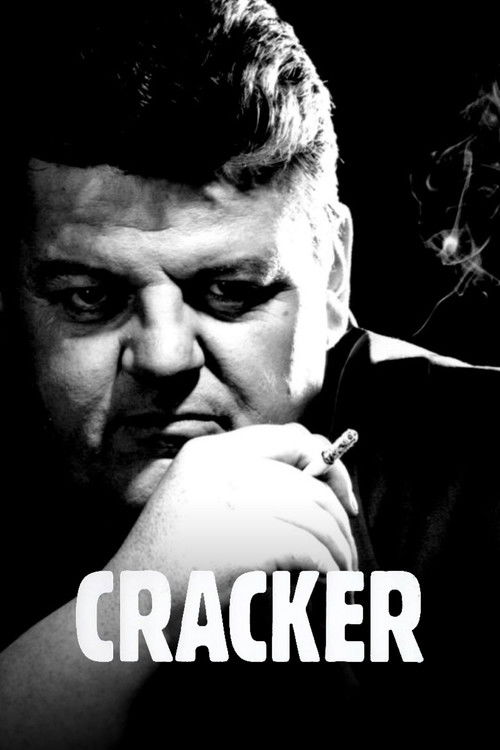
Cracker
Jimmy McGovern understood that great crime television lives and dies by consequences. Robbie Coltrane’s Fitz was a brilliant, self-loathing degenerate whose psychological profiling came at horrific personal expense. The arcs were disciplined multi-parters, peaking with Robert Carlyle’s terrifying turn in "To Be a Somebody." When Superintendent Bilborough gets stabbed in that brutal mid-season gut-punch, the shockwaves permanently wreck the bullpen dynamics. Fitz cannot outsmart his own toxic compulsions, making the final downward spiral feel thoroughly, painfully earned.
#5
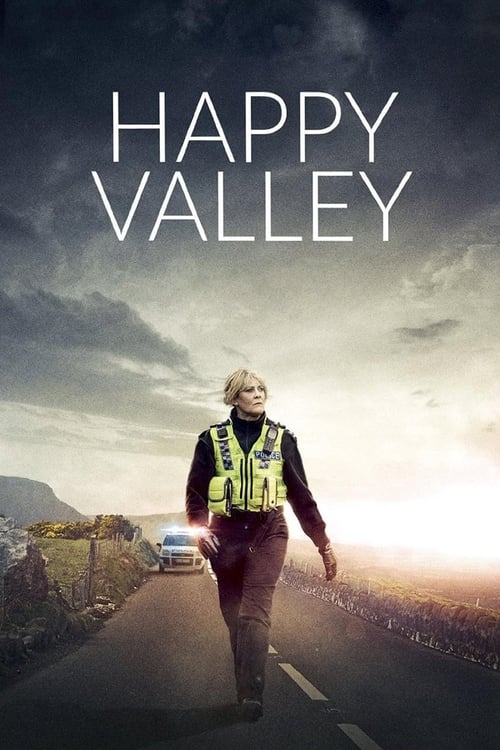
Happy Valley
Sally Wainwright took nine real-world years to deliver eighteen episodes, waiting for Ryan to grow up so the family reckoning carried genuine weight. Sarah Lancashire’s Catherine Cawood remains one of television's fiercest creations, bruised yet unbending against James Norton’s Tommy Lee Royce. The final season pays off a decade of slow-burn generational trauma without melodramatic shortcuts. That kitchen-table finale strips away procedural tropes, resolving years of venom with raw dialogue and an earned ending.
#6
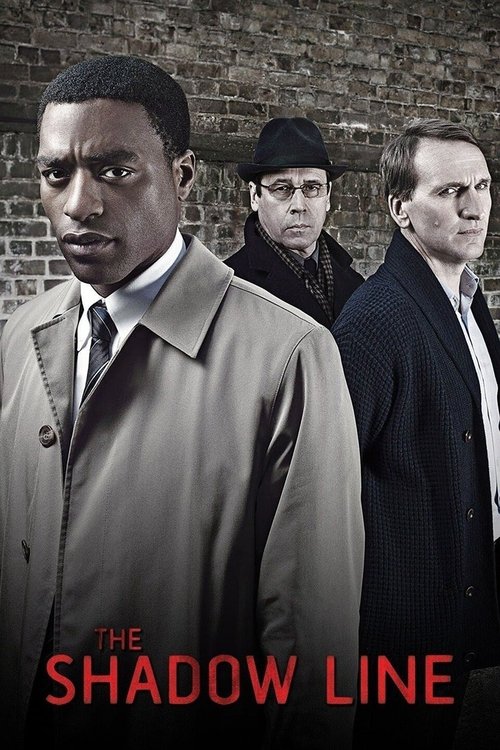
The Shadow Line
Hugo Blick directed all seven installments of this neo-noir puzzle box, maintaining iron grip over its stylized, claustrophobic universe. Following both the amnesiac cop Jonah Gabriel and the reluctant mob logistics man Joseph Bede, the narrative tightens until moral lines dissolve completely. Then Stephen Rea’s chilling Gatehouse enters the frame, operating as pure existential dread in a fedora. The climax brings every dangling conspiracy wire together, offering zero comforting platitudes and cementing a bleak, impeccably structured tragedy.
#7
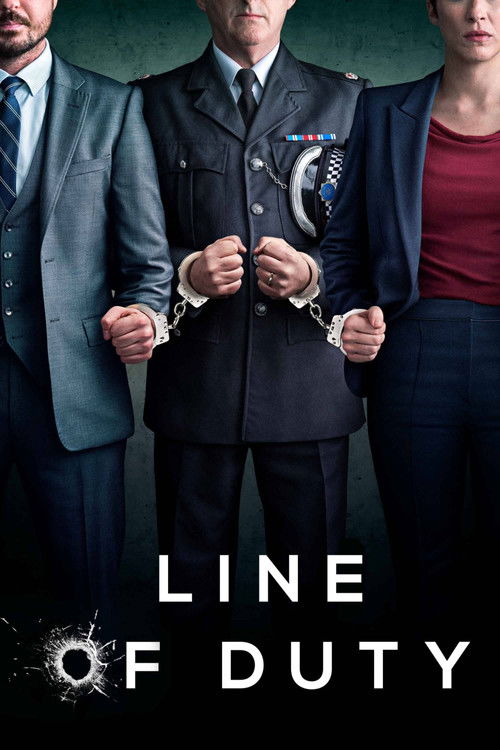
Line of Duty
Jed Mercurio turned anti-corruption investigations into high-stakes theater built on twenty-minute glass-room interrogations and screeching tape recorders. The early seasons executed breathtaking pivots, starting with Lennie James in season one and escalating through Keeley Hawes's legendary Lindsay Denton arc. Mercurio plays the long game with bureaucratic rot, showing how compromise infects every rank. While later seasons sparked fierce debates about the ultimate mastermind reveal, the relentless ratcheting of tension across AC-12's career arcs remains unmatched British television.
0 / 7