#1

Helluva Boss
An animated startup office from YouTube, but it preserves that claustrophobic, three-desk grind we used to build out of painted plywood on Stage 4. Even down in the underworld, work is an endless chore of ringing rotary phones, terrible bosses, and desperate filing. Modern digital animators rediscovered what network engineers figured out during the golden age: put angry, petty workers in one tight room, point the lens, and let the screaming do the heavy lifting.
#2
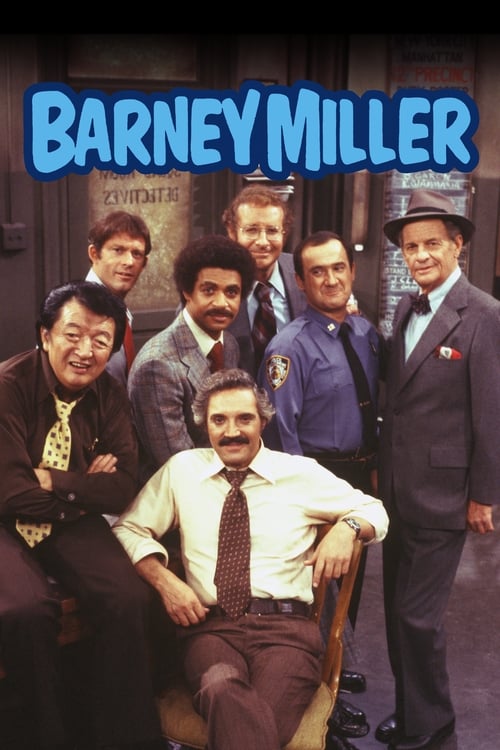
Barney Miller
You could smell the cold coffee and stale cigarette smoke through your cathode-ray tube. Danny Arnold taped this thing practically in real time, locking a squad of exhausted detectives inside one drab green room on ABC's Stage 54. It felt like watching live theater on a Tuesday night. The video cameras caught every fluorescent hum, every tired sigh, and every quiet moment of human failure. We traded that brilliant, stagebound pressure cooker for glossy location shoots, and television grew poorer for it.
#3
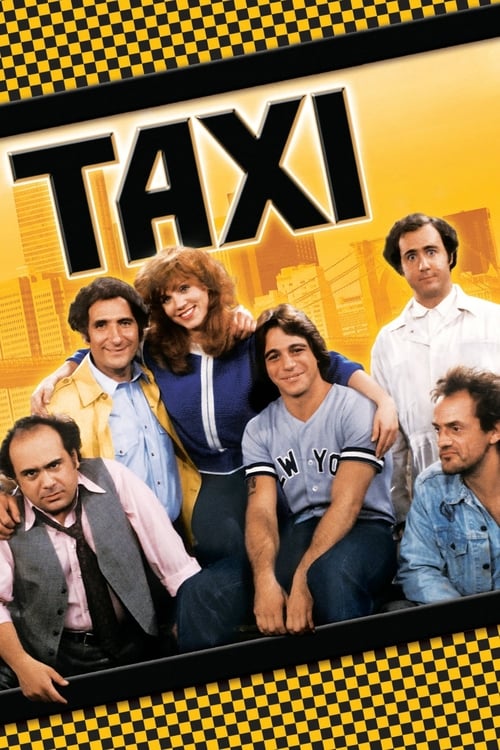
Taxi
Look at the greasy wire cage where Danny DeVito barked out dispatch orders. That garage floor was pure proscenium craft, bathed in harsh overhead studio floods that made cheap vinyl jackets look real. The James L. Brooks stable understood that a dispatch office is a waiting room for broken dreams. And with live studio audiences gasping at Christopher Lloyd's fried brain, the show caught that wonderful, nervous energy of early evening tapings when the actors were running purely on adrenaline.
#4
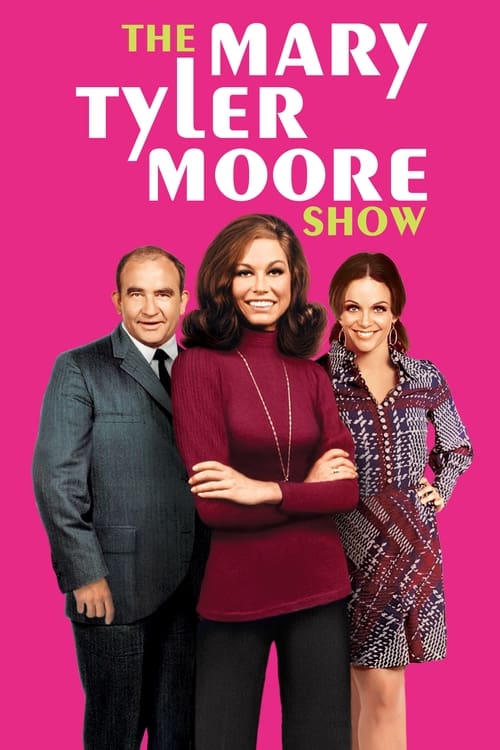
The Mary Tyler Moore Show
Newsrooms used to be clattering, grease-penciled sanctuaries where copyboys tripped over heavy coaxial cables. This show captured that workplace panic better than anyone. Filmed with three cameras in front of an audience at CBS Studio Center, the WJM newsroom had the exact geometry of real local broadcasting. Lou Grant's desk was an anchor point, and Mary Richards kept the entire fragile machine from flying apart. It remains the gold standard for how studio craft creates lightning in a bottle.
#5
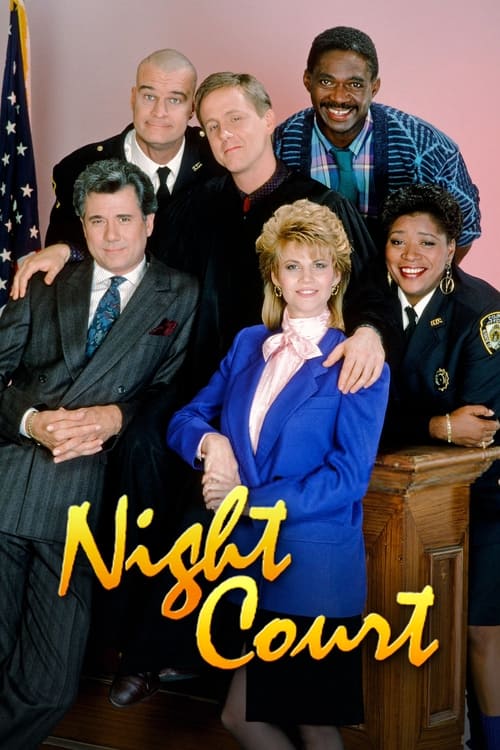
Night Court
Broadcast television used to love the graveyard shift because late hours excused all sorts of madness. Reinhold Weege built a dingy municipal courtroom under the bright lights, filling the gallery with weirdos who looked like they wandered off the sidewalk during a commercial break. The pacing leaned straight into classic vaudeville routines. John Larroquette played sleaze with operatic grandeur, while Harry Anderson pulled foam peanuts from his coat. It was pure, broad, studio-bound burlesque disguised as civic bureaucracy.
#6
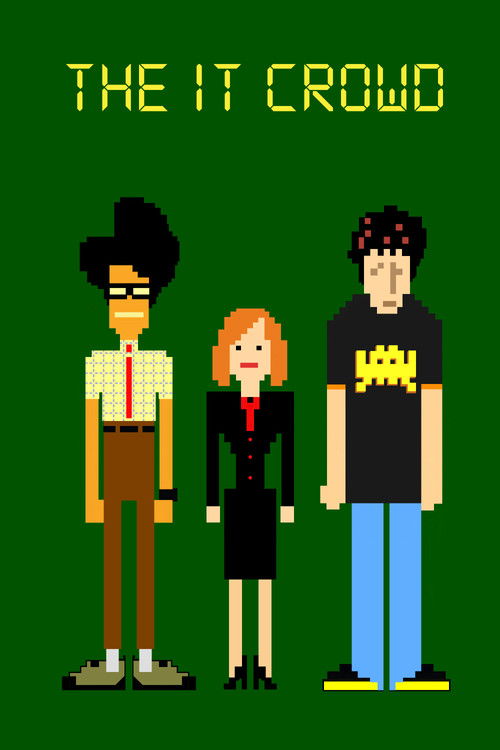
The IT Crowd
British studios kept the old religion alive longer than anyone. Shoving Moss and Roy into a windowless subterranean bunker stuffed with obsolete microchips was a brilliant stroke of proscenium staging. Taped before a raucous studio crowd at Teddington Studios, it relied on physical door slams and theatrical pauses that would feel right at home in a 1970s farce. Turn the equipment off and on again. That basement room proved you do not need budget when you possess stage timing.
0 / 6