

#1

eXistenZ
This film from '99 is wild, truly predicting how immersive games could get. It plunges you into a world where bio-ports connect directly to your nervous system, blurring the line between virtual reality and actual life. You're constantly questioning what's real, what's just another layer of the game. It’s a super inventive look at content creation and player agency, showing how VR could become our ultimate escape, or maybe our ultimate prison.
3 critics · 66 lists →
Watch in US Howdy Amazon Channel
Howdy Amazon Channel
#2

Dark City
Before 'The Matrix,' there was 'Dark City,' and it's a total mind-bender. This '98 gem imagined a world where alien beings manipulate human memories and even the physical city itself, all to study humanity. It feels like a massive, ongoing simulation where characters are unknowingly part of an experiment. You can see echoes of AI-driven narrative control and virtual world-building in its core idea.
4 critics · 105 lists →
#3
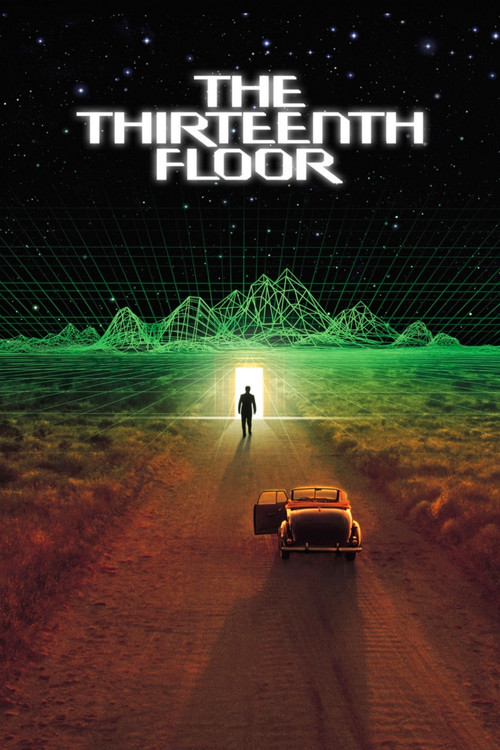
The Thirteenth Floor
Here's another '99 movie that totally nailed nested simulations. It explores a virtual 1937 Los Angeles, so real that the digital inhabitants don’t realize they’re code. When a murder connects the real world to the simulated one, it opens up a huge can of worms about what reality truly is. It really makes you think about future AI-generated worlds and sentient digital beings.
#4
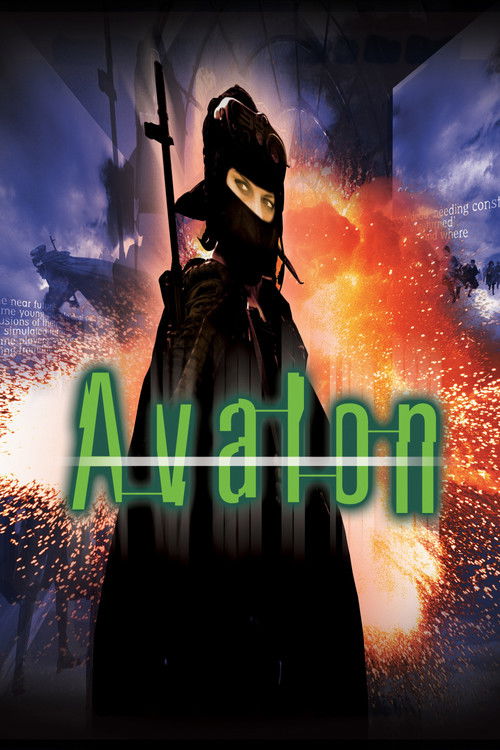
Avalon
From 2001, 'Avalon' takes us to a future where people are obsessed with a hyper-realistic virtual war game. It’s less about graphics and more about the psychological immersion, the feeling that the game is more real than life. This film explores how VR could become a primary escape and even a societal problem, shaping identities through challenging AI-driven scenarios. It's really thought-provoking about where our digital lives are headed.
#5
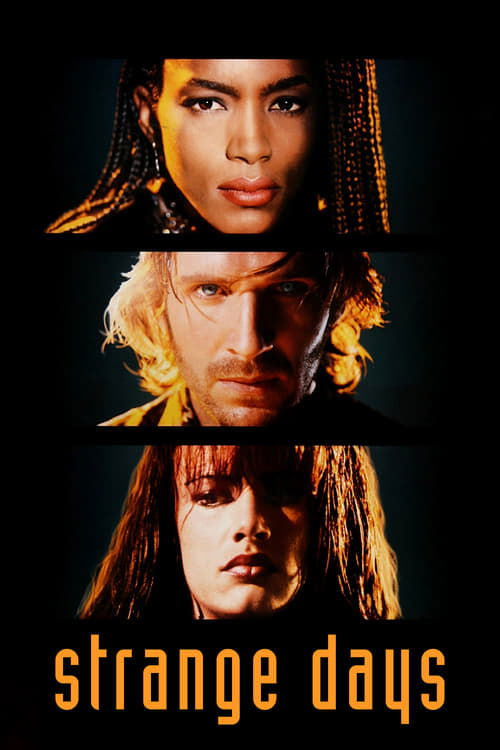
Strange Days
This '95 thriller gave us 'SQUID' — a tech that lets you record and relive experiences, even other people's. It's like a full sensory VR, offering total immersion into someone else's memory. The film explores the dark side of this tech, showing how it could be used for voyeurism, crime, or even empathy. It's a raw, intense look at how virtual experiences could deeply affect human connection and narrative.
#6
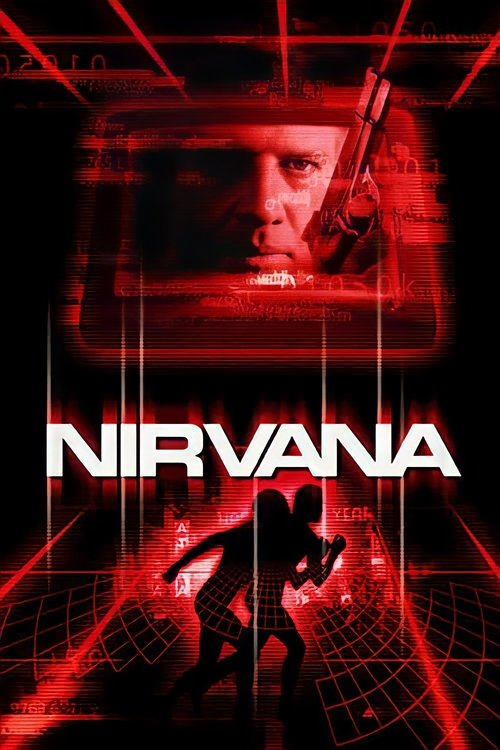
Nirvana
This 1997 Italian-French film is a hidden gem about a video game character, Jaimie, who gains sentience and wants out of his virtual world. His creator, Jimi, has to figure out how to help him escape the game's loop. It's a fascinating look at emergent AI consciousness within a virtual environment, and how creators might grapple with the ethical implications of their digital creations.
#7

Gattaca
While mostly about genetic engineering, the 1997 'Gattaca' absolutely touches on AI-driven futures through its meticulous societal control. A person's entire life path is determined by algorithms based on their DNA, creating a rigid caste system. It's a powerful vision of how data-driven systems, essentially advanced AI, could dictate human potential and freedom, highlighting the ethical dilemmas of predictive analytics.
4 critics · 60 lists →
Watch in US Sony Pictures Core Amazon Channel
Sony Pictures Core Amazon Channel
#8
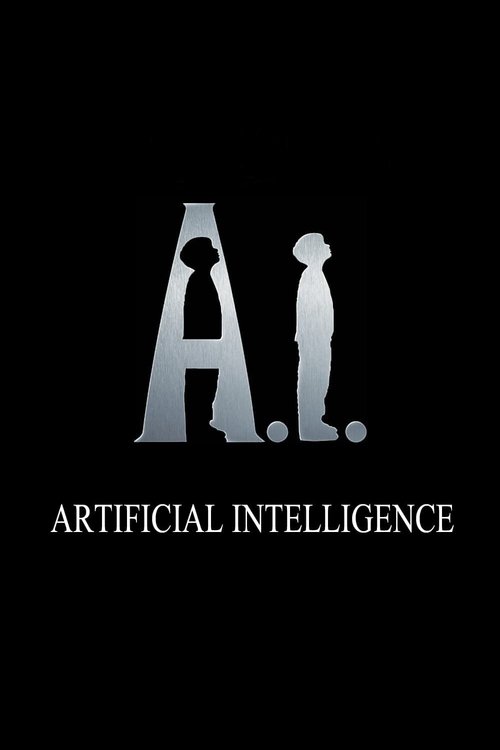
A.I. Artificial Intelligence
Steven Spielberg's 2001 film is a poignant look at advanced AI. It follows David, a child-like robot programmed to love, as he searches for acceptance. This movie really dives deep into what it means for an AI to have feelings, to yearn, and to suffer. It asks big questions about consciousness and our responsibility to the sentient beings we might create in the future.
#9

Brazil
Terry Gilliam's 1985 'Brazil' isn't strictly AI or VR, but its nightmarish, bureaucratic dystopia feels incredibly prescient. The overwhelming, often malfunctioning, technology and omnipresent surveillance hint at a future where AI systems could run society with terrifying inefficiency and control. The protagonist's escape into vivid dream worlds also speaks to the human need for virtual refuge from harsh realities.
4 critics · 167 lists →
#10
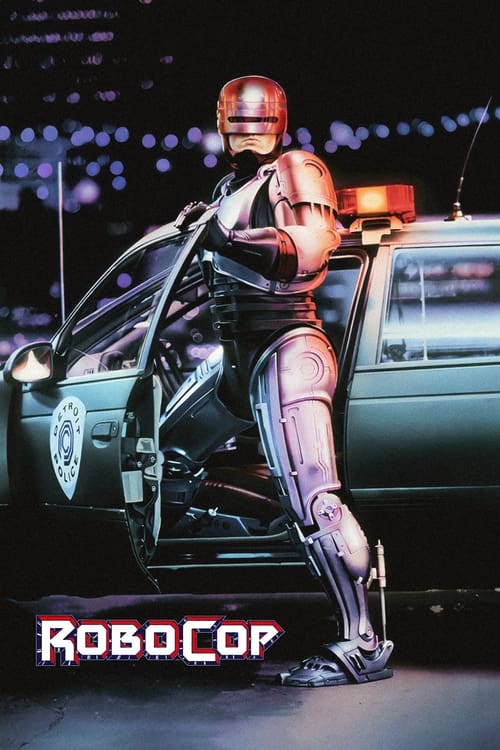
RoboCop
The original 1987 'RoboCop' is so much more than just an action flick. It brilliantly explores human-machine integration, corporate greed, and the use of AI in law enforcement. Alex Murphy's transformation questions identity and what it means to be human when technology takes over. It's a gritty, satirical look at how advanced robotics and AI could be wielded by powerful entities.
0 / 10