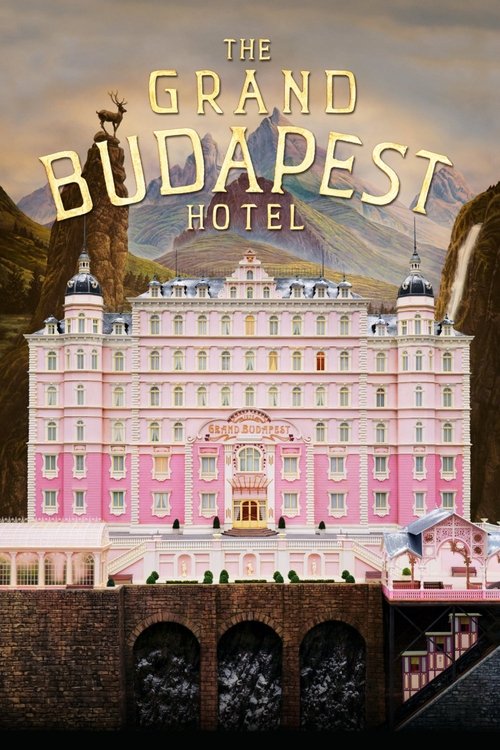
Wes Anderson's film, while not a direct adaptation of a single novel, draws heavily from the writings of Stefan Zweig, particularly his melancholic view of a vanishing pre-war European elegance. Anderson adapts a *mood* and *historical sensibility* rather than a plot, filtering it through his distinctive, meticulously crafted aesthetic and whimsical storytelling. This approach showcases how an auteur can distill the essence of an author's entire body of work into a new, visually distinct narrative, transcending direct textual fidelity.
from “The 10 Cinematic Masterworks That Expose Adaptation's Deepest Flaw” →
Gustave H.'s flamboyant, meticulous mentorship of Zero is the heart of this Wes Anderson masterpiece. He teaches Zero everything about hotel management, etiquette, and even love, turning him from a lobby boy into a confidante and heir. Their bond transcends class, highlighting how true mentorship is about passing down not just skills, but a way of life and a legacy, even amidst chaotic capers.
from “Why Your Favorite Films Exist: 12 Movies That Prove Mentorship is Everything” →
Wes Anderson’s signature style is a vintage dream wrapped in a meticulously crafted, pastel-hued package. Every frame is a work of art, telling a story not just through dialogue, but through symmetry, color, and intricate set design. It’s a whimsical, adventurous romp through a bygone era, full of charm and unexpected heart. Also, the attention to detail in every single costume and prop? Unmatched. Truly a visual feast that keeps on giving.
from “Obsessed With Vintage? These 8 Movies Understood The Assignment” →