


The CraftsmanGen X
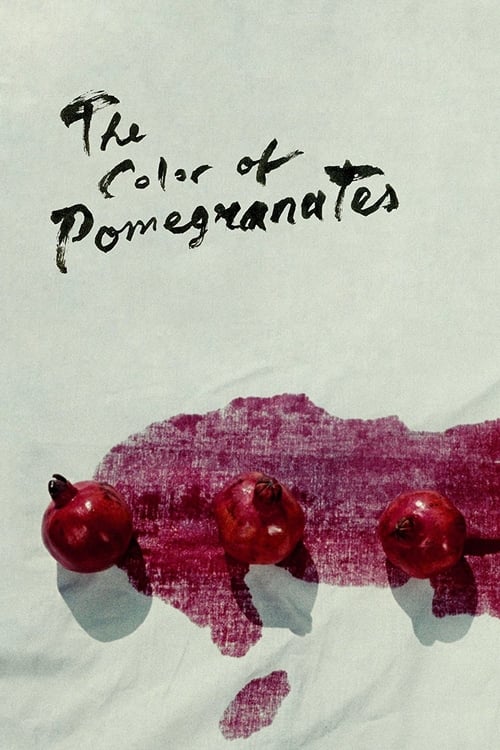
Sergei Parajanov’s biographical meditation on the Armenian poet Sayat-Nova is less a narrative and more a series of stunning, tableau-like visual poems. Suppressed by Soviet authorities for its perceived formalism and lack of socialist realism, the film defies conventional storytelling, instead immersing the viewer in a dreamlike tapestry of religious symbolism, folk art, and vibrant colors. It’s a hypnotic, almost mystical experience that showcases Parajanov’s unique auteurial vision, demanding a different kind of engagement than most cinema.
from “9 Cinematic Masterworks That Demand Your Rediscovery” →