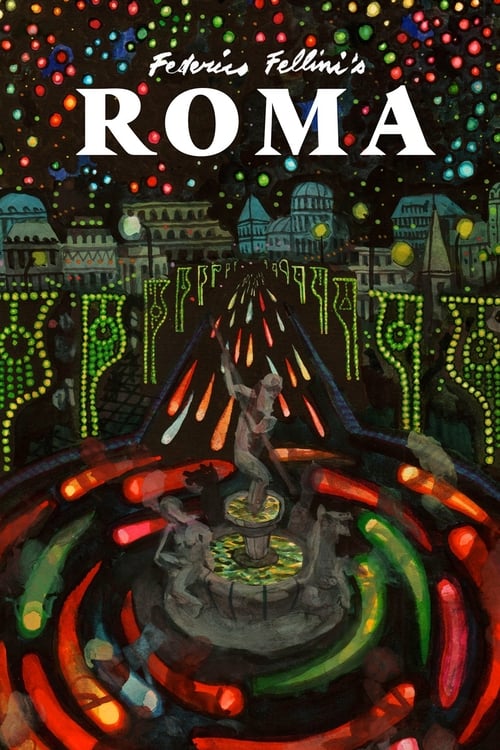
Alfonso Cuarón’s deeply personal, visually stunning black-and-white ode to his childhood maid in 1970s Mexico City is a poignant exploration of memory, class, and resilience. Through its intimate, observational style, the film beautifully captures the quiet dignity of domestic labor and the enduring strength of women amidst societal upheaval, offering a tender yet unflinching look at a forgotten history.
from “12 Cinematic Masterpieces That Will Reshape Your View of the Human Condition” →
Alfonso Cuarón delivered a deeply personal, black-and-white cinematic poem that Netflix championed, fundamentally altering the conversation around streaming’s role in prestige cinema. Centered on an Indigenous domestic worker in 1970s Mexico City, it offered an intimate, unvarnished look at class, gender, and family. This film challenged distribution norms, proving quiet, art-house narratives could find massive audiences.
from “The 9 Movies That Are Secretly Shaping Your Viewing Habits” →
Alfonso Cuarón's "Roma" is a quiet masterpiece that just pulls you in. Filmed in stunning black and white, it tells such a personal story about a domestic worker in 1970s Mexico City, yet its themes of class, family, and resilience are universal. The cinematography is absolutely breathtaking, making everyday moments feel epic and intimate. It’s a film that respects its characters and trusts its audience to connect with their journey. Deeply moving.
from “The 9 Movies That *Still* Hit Different: They Understood The Assignment” →