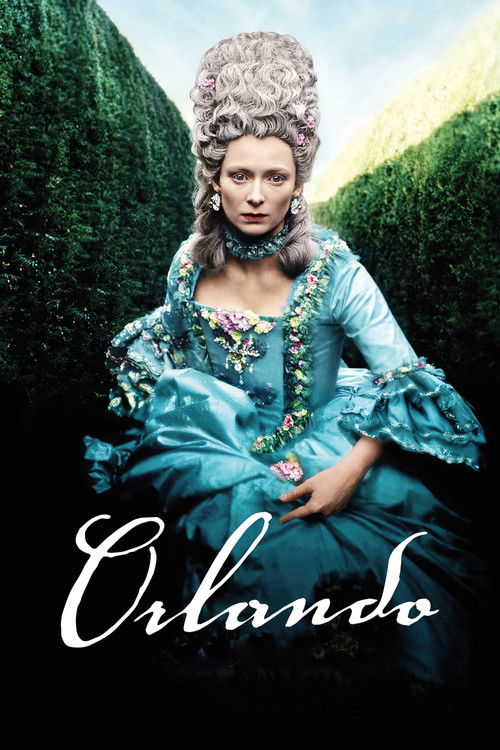
Sally Potter's adaptation of Virginia Woolf’s novel is a visually sumptuous, intellectually rich journey through centuries of gender and identity. Tilda Swinton, magnificent as Orlando, lives across 400 years, shifting between sexes. It's a meditative, often playful exploration of what it means to be human, and what society imposes upon us. Every costume, every historical detail, every poetic monologue reveals new nuances about performance, history, and self-discovery. It makes you think differently every time.
from “Streaming's Blind Spots: 8 Movies That Unfold New Secrets Every Time” →
"Orlando" (1992) is the ultimate flex in visual storytelling and gender exploration, long before it was trending. Tilda Swinton, an icon, effortlessly navigates centuries and gender identities, from Elizabethan man to modern woman, questioning what it truly means to be oneself. Sally Potter's adaptation of Virginia Woolf's novel isn't just beautiful; it's a poignant, witty, and deeply resonant exploration of identity, time, and societal expectations. It's truly timeless and ahead of its time.
from “Your Watchlist Needs These 11 Films That Get It.” →
This film is so cool because it plays with identity and time in such a fluid way. It's like a character who lives for centuries, changing gender and perspective, which totally hints at AI-driven narrative systems. Think about stories that adapt to your mood, your identity, or even let you experience life through countless different eyes. It's less about traditional plot and more about exploring what it means to be, which is a big deal for future interactive content.
from “8 Stories That Feel Like A Glimpse Into Tomorrow's Content” →