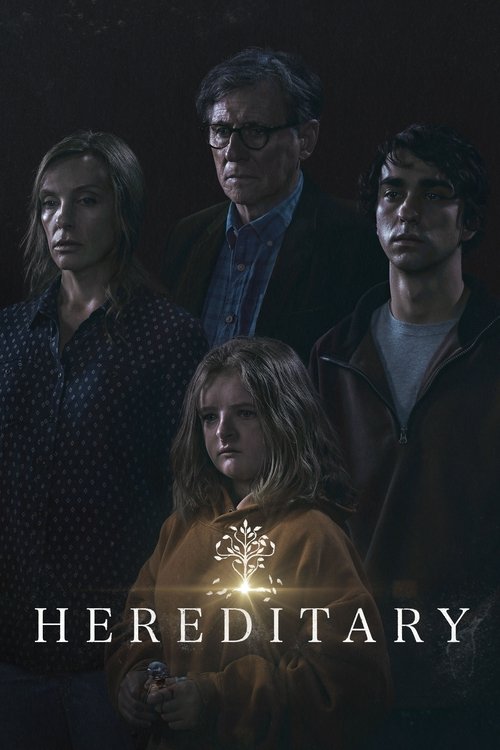
Ari Aster's debut is a chilling exploration of inherited trauma and the disintegration of a family under the weight of grief and occult manipulation. The horror here is meticulously built, not on jump scares, but on the relentless unraveling of psychological stability and the inescapable ties of bloodline. It suggests a terrifying lineage where the past is not merely prologue, but a binding curse, demonstrating how deeply rooted dysfunction can become its own monstrous entity, far more insidious than any external threat.
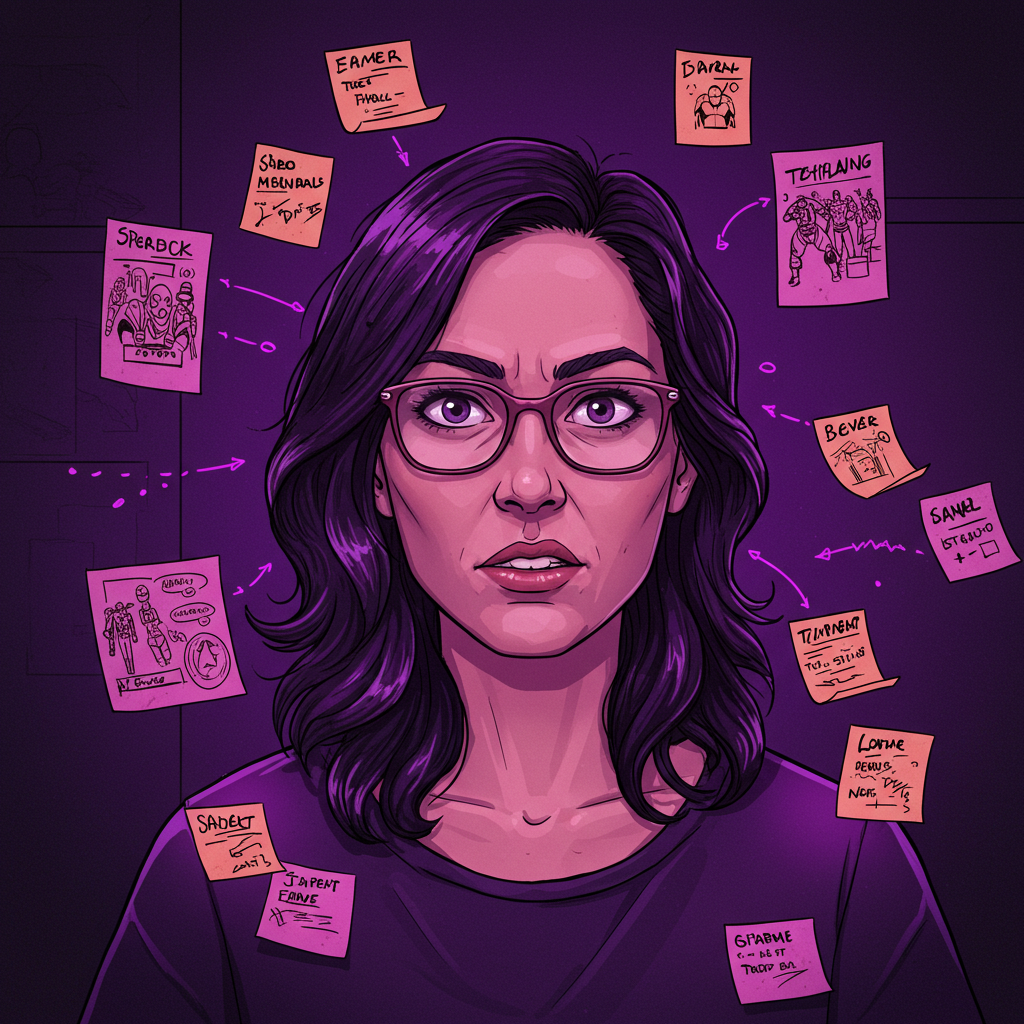
from “12 Films That Prove The Monsters Were Never Under Your Bed, But Always Closer” →
Look, if you don't think Paimon is a high-ranking entity from a demon dimension, then you weren't paying attention! This isn't just a ghost story; it's a meticulously planned ritual to bring a specific demon from its own realm into ours, using a bloodline as its literal vehicle. The séance, the manipulation, the terrifying 'beheading' ritual – it all points to an incredibly powerful, calculating entity orchestrating its physical manifestation in our world. That's a full-on Further invasion, my friends, and it's terrifyingly real.
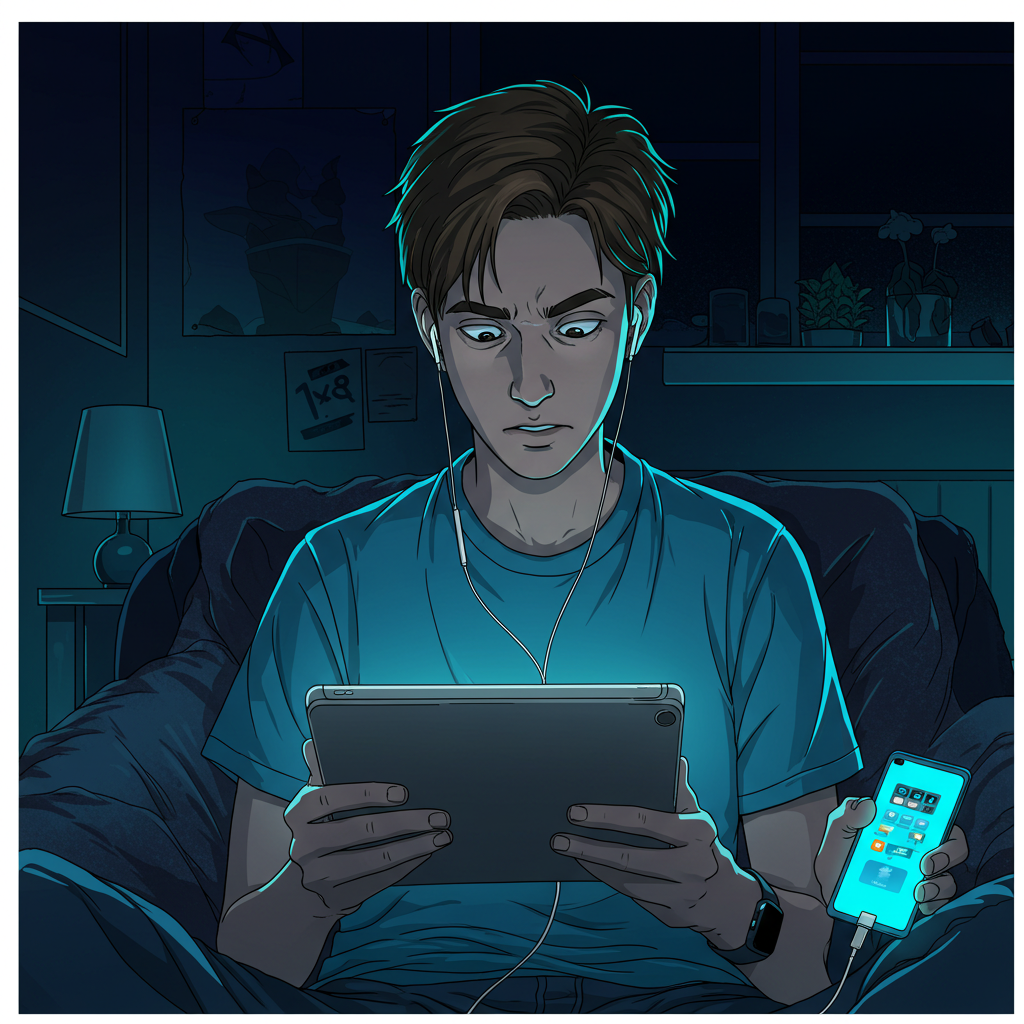
from “Loved Insidious: Out of the Further? Here Are 8 Films That Prove the Further Is REAL (And It Wants You).” →
Okay, this one's intense, but it's a masterclass in building dread through atmosphere and hidden details. For VR, imagine using AI to subtly alter environments based on your emotional state, making the horror deeply personal and adaptive. It shows how narrative can manipulate your senses and perception without jump scares, creating an inescapable, almost psychological trap. It's a blueprint for truly immersive, unsettling digital experiences where the story feels alive around you.
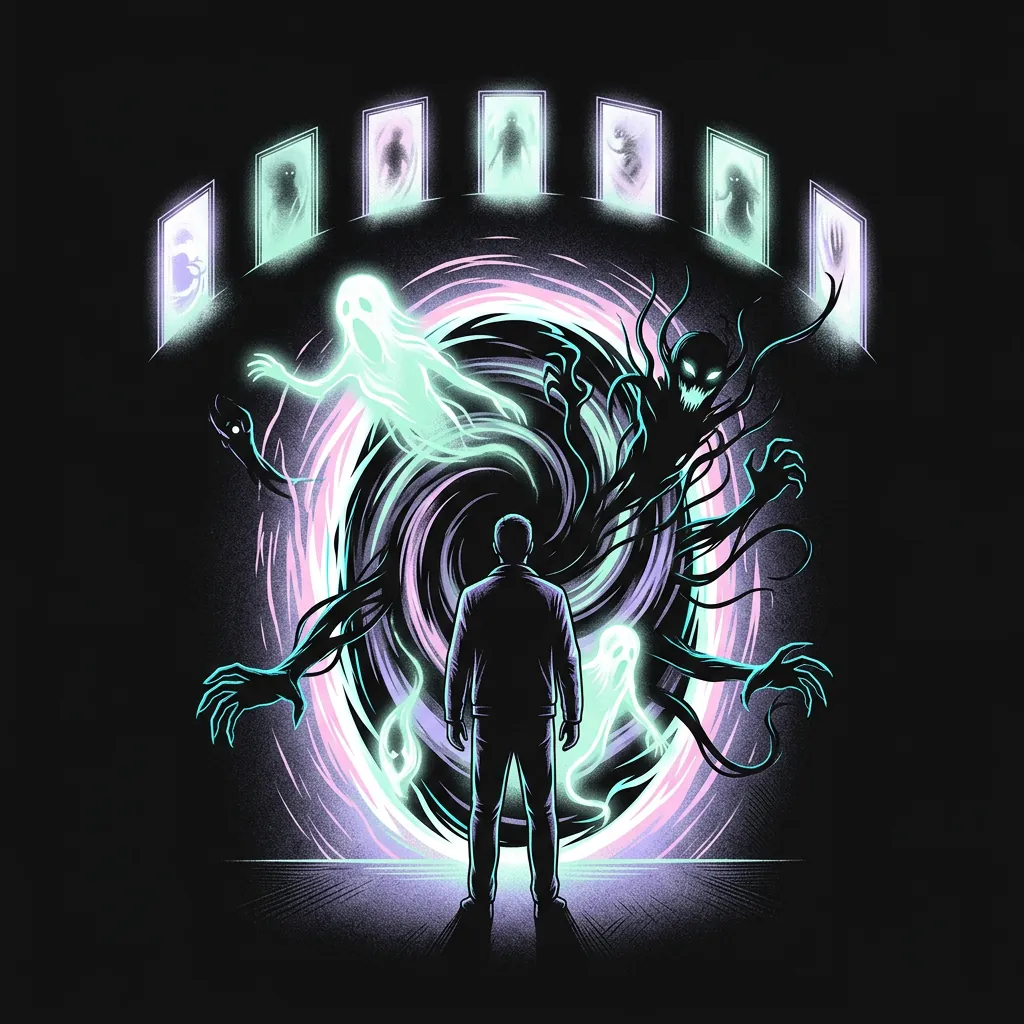
from “The 8 Movies That'll Rewire How You See Stories Forever” →