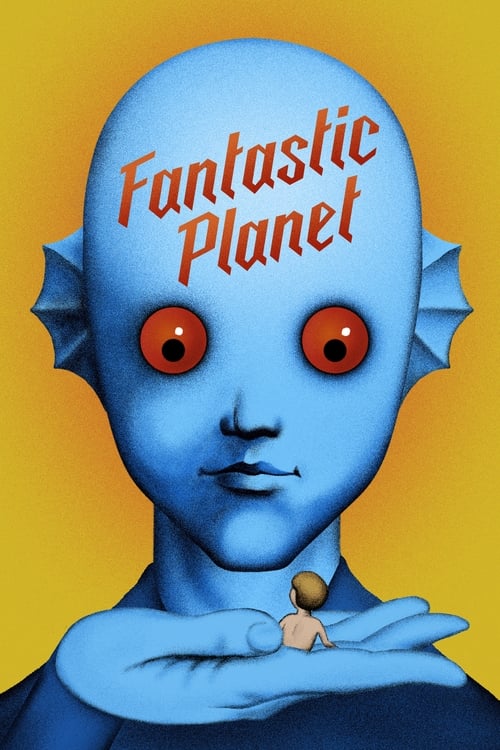
René Laloux's 1973 Franco-Czechoslovakian animation is a truly singular vision. Its distinctive, surreal visual style immediately sets it apart, telling an allegorical tale of humanity subjugated by giant blue aliens on a strange, wondrous world. More than just psychedelic aesthetics, it offers sharp social commentary on oppression, intelligence, and survival, cementing its place as a groundbreaking piece of international animated science fiction that remains utterly captivating.
from “7 Unsung Visions: Cinematic Journeys Beyond the Familiar Canon” →
This French-Czechoslovakian animated marvel is a hypnotic, allegorical journey. Its distinctive cut-out animation style and vivid, alien landscapes create an unforgettable vision of humanity's struggle against a dominant, giant species. It’s a profound commentary on oppression, environmentalism, and the quest for freedom, all wrapped in a visually breathtaking, truly unique package. You haven't seen anything quite like it.
from “Beyond the Algorithm: 10 Underrated Films That Will Change How You Watch” →
This French-Czechoslovakian animated sci-fi flick is peak '70s counter-culture vibes, but, like, make it alien. It tells a story of tiny humans (Oms) living under the giant, blue-skinned Draags, exploring themes of oppression, intelligence, and survival. The animation style is so distinctive and trippy, you'll feel like you're watching a moving art exhibit. And yeah, it’s got some seriously mind-bending visuals that stick with you long after the credits roll.
from “6 Movies That Are So Niche, They're Basically Cryptids” →
Fantastic Planet (1973) transports you to a truly alien world, with giant blue humanoids and tiny, oppressed humans. It’s a visual feast, showcasing unique creature design and societal structures that feel entirely conceived. This stop-motion animation makes you think about constructing completely new ecosystems and intelligent lifeforms, much like an advanced AI could generate vast, complex, and utterly unique virtual environments for us to explore and understand.
from “Your Next 12 Digital Escapes: Cinematic Journeys That Push Boundaries” →