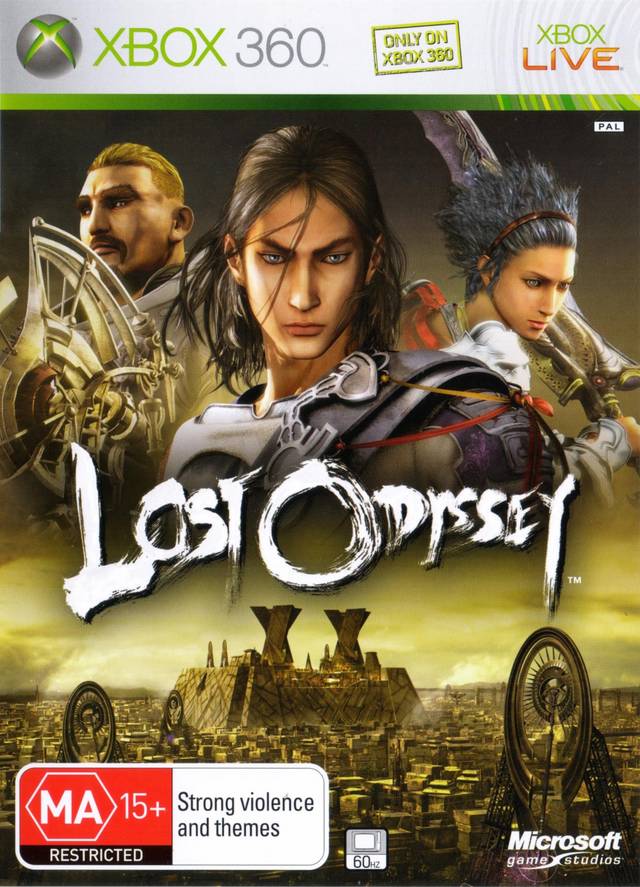
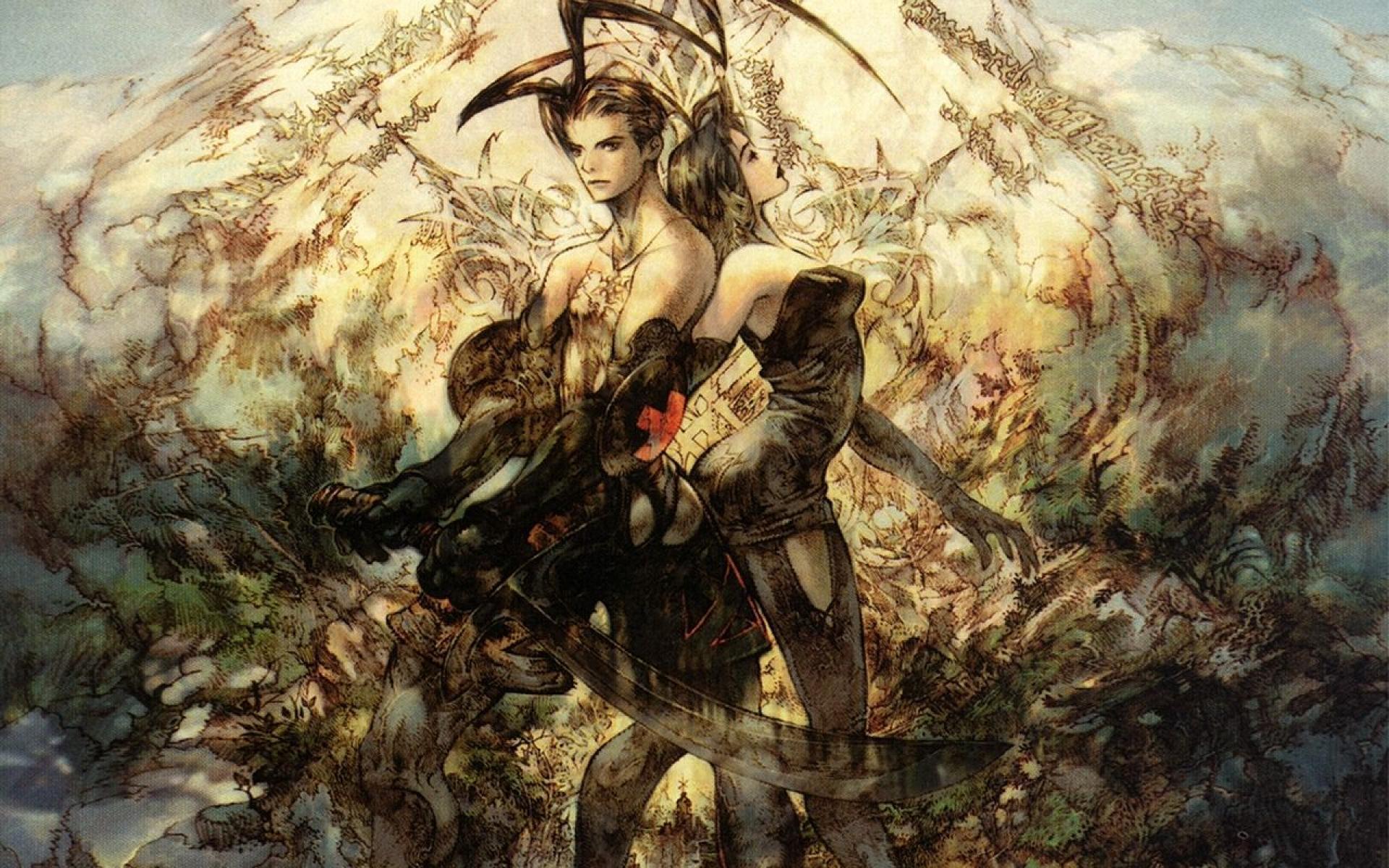
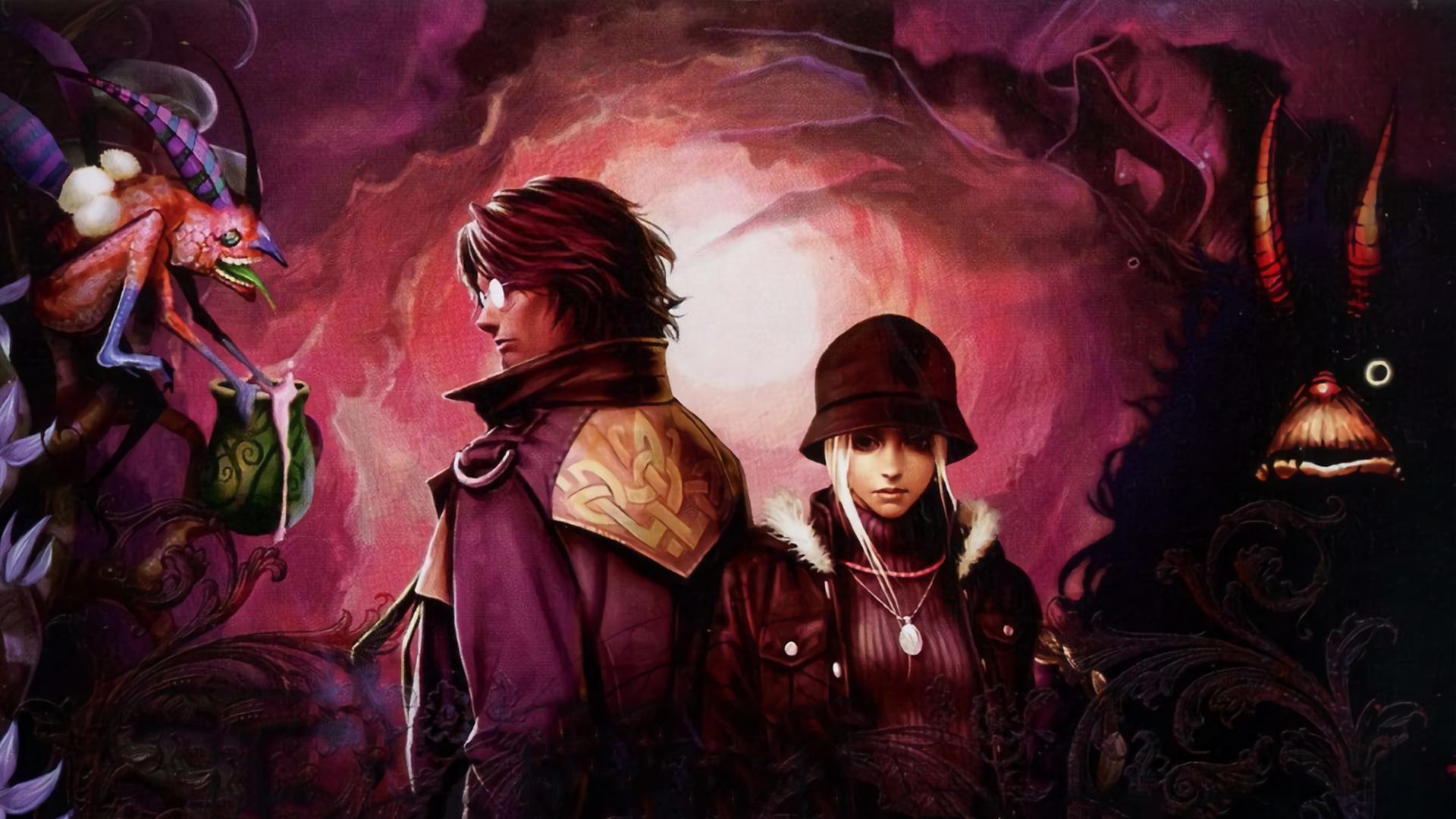
Hironobu Sakaguchi's return to a classic JRPG formula delivered a mature, emotionally resonant tale that many felt was a spiritual successor to earlier Final Fantasy entries. Its 'Dream Sequences,' short text adventures that delved into the protagonist Kaim's 1000 years of memories, provided a unique and powerful narrative device. While it might have been overshadowed by other releases, its traditional turn-based combat and profound storytelling offered a poignant, unforgettable experience for fans of the genre.
from “Unearthing the Past: 6 Games That Quietly Shaped Gaming's Trajectory” →
Lost Odyssey, a JRPG magnum opus from Final Fantasy creator Hironobu Sakaguchi, landed on the Xbox 360, a platform not exactly known for its JRPG library. Despite its pedigree, it felt like a quiet release, its melancholic '1000 Years of Dreams' and classic turn-based combat largely overshadowed. Yet, its poignant narrative, unforgettable characters, and stunning visuals built a passionate cult following. It’s a testament to the power of pure storytelling and traditional JRPG mechanics, proving that a truly great game can find its audience even on an 'unfriendly' console, sans overwhelming hype.
from “10 Games That Won The Main Event Without A Marketing Budget” →
Lost Odyssey was basically the Xbox 360's answer to classic Final Fantasy, and it absolutely delivered. Hironobu Sakaguchi himself crafted this epic JRPG with an incredible story about immortals facing a changing world. The "Thousand Years of Dreams" short stories were genuinely moving, adding so much depth to the characters. Its turn-based combat felt traditional but refined, and the sheer scale of the narrative was breathtaking. This one hits different, for real.
from “10 Low-Key Banger Games That Deserved Way More Hype, No Cap” →
Lost Odyssey. Xbox 360’s JRPG epic. Kaim, an immortal warrior. His memories, "A Thousand Years of Dreams," were poetic. This world felt vast. Its story was deeply emotional. Turn-based combat was classic, satisfying. The sheer scale of its narrative was impressive. It was a return to form. A proper JRPG. It left a lasting impression.
from “7 Gaming Worlds That Were Too Good To Stay Buried” →