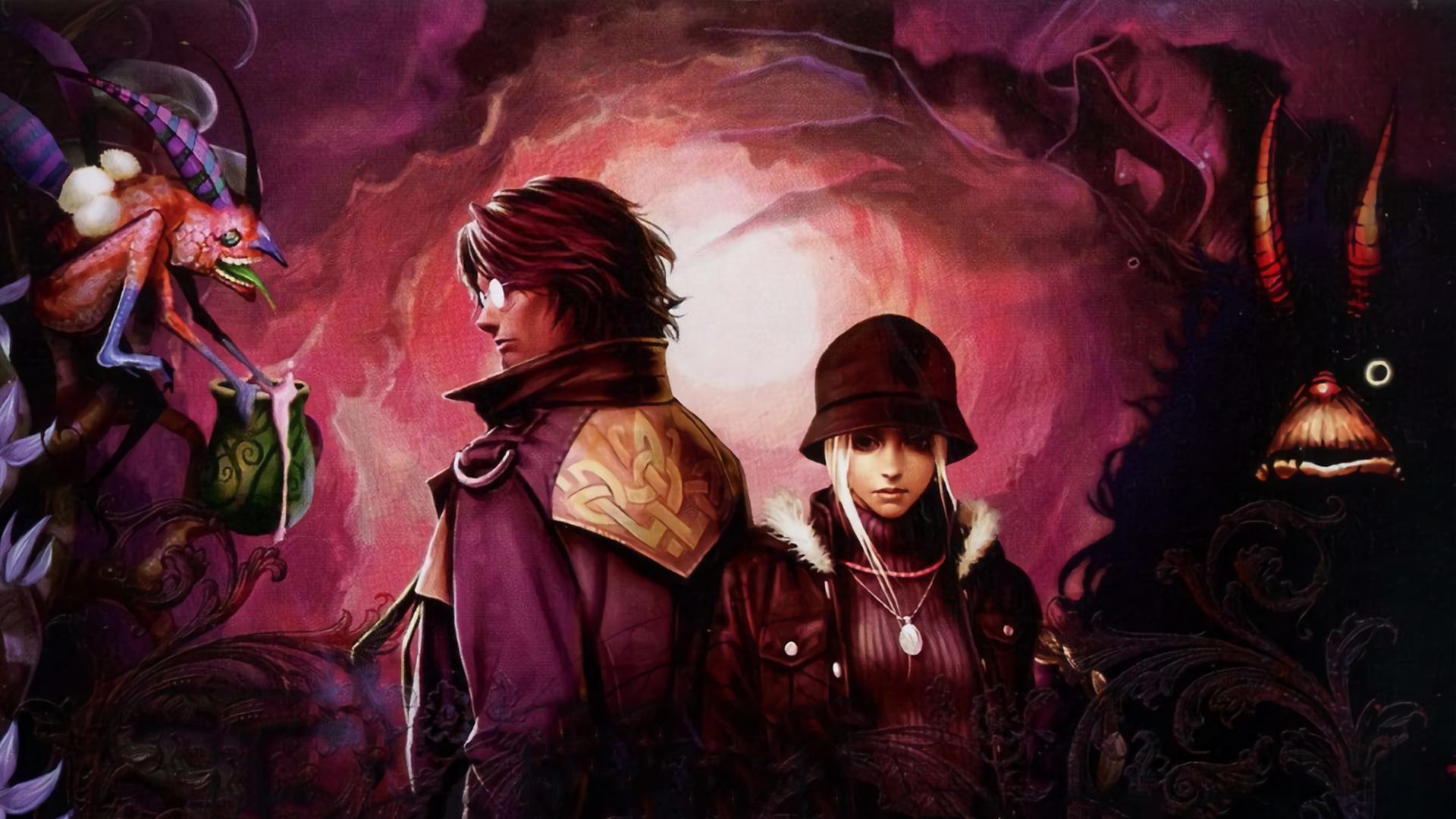
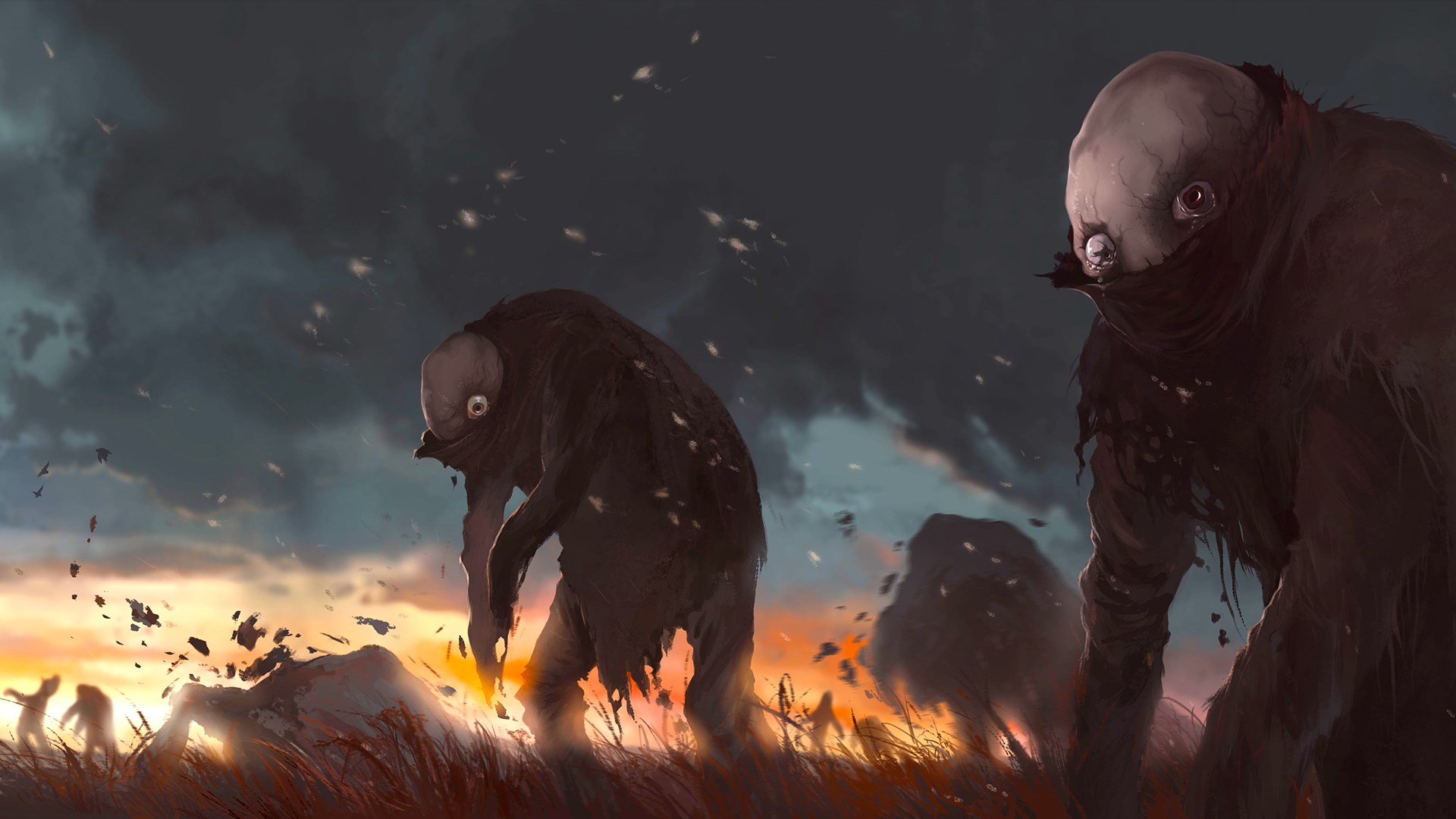
Released early in the PlayStation 3's life in 2007, Folklore felt like a forgotten fairy tale brought to life. Its dark, Irish-mythology-infused narrative and haunting aesthetic were immediately striking. Players ventured into the Netherworld, battling creatures and literally absorbing their souls to gain new powers. This unique capture mechanic, combined with a melancholic atmosphere and two interwoven character perspectives, created a truly distinctive action RPG. It’s a title that, despite its technical quirks, carved out a beautifully eerie niche that still feels fresh.
from “9 Games You Probably Missed That Still Resonate Today” →
Talk about a forgotten PS3 gem. Folklore was dark, ethereal, and genuinely unique, letting you literally rip souls from defeated monsters to use as your own abilities. It had this haunting atmosphere, a deep Celtic-inspired lore, and a dual-protagonist narrative that felt fresh. In an era of endless sequels, this was a bold, original IP that dared to be different. Today, it’d be greenlit as an indie darling, but back then, it was just... left to the shadows. Bring it back, you cowards!
from “Nikki Webster's Return? Nah, THESE 7 Games Are The Real Comeback Story.” →
Alright, this PS3 exclusive was so unique for its time. You're capturing spirits from different realms to use their powers, and that whole dark fairy tale aesthetic was just *chef's kiss*. It felt super atmospheric, definitely a mood. The combat system had a cool hook with the spirit mechanics. Definitely a hidden gem that deserved way more love from the community.
from “Only OGs Know These 12 Underrated Games (And You Should Too!)” →
Folklore on PS3 was a dream. The Netheworld. A place of faeries and fears. Capturing spirits felt tactile. Their powers were your own. Its visual design. So distinct. Keats and Ellen’s dual narratives wove a spell. The creatures were pure imagination. This dark fantasy world felt ancient. It pulled you into its forgotten myths. A truly unique adventure.
from “7 Gaming Worlds That Were Too Good To Stay Buried” →