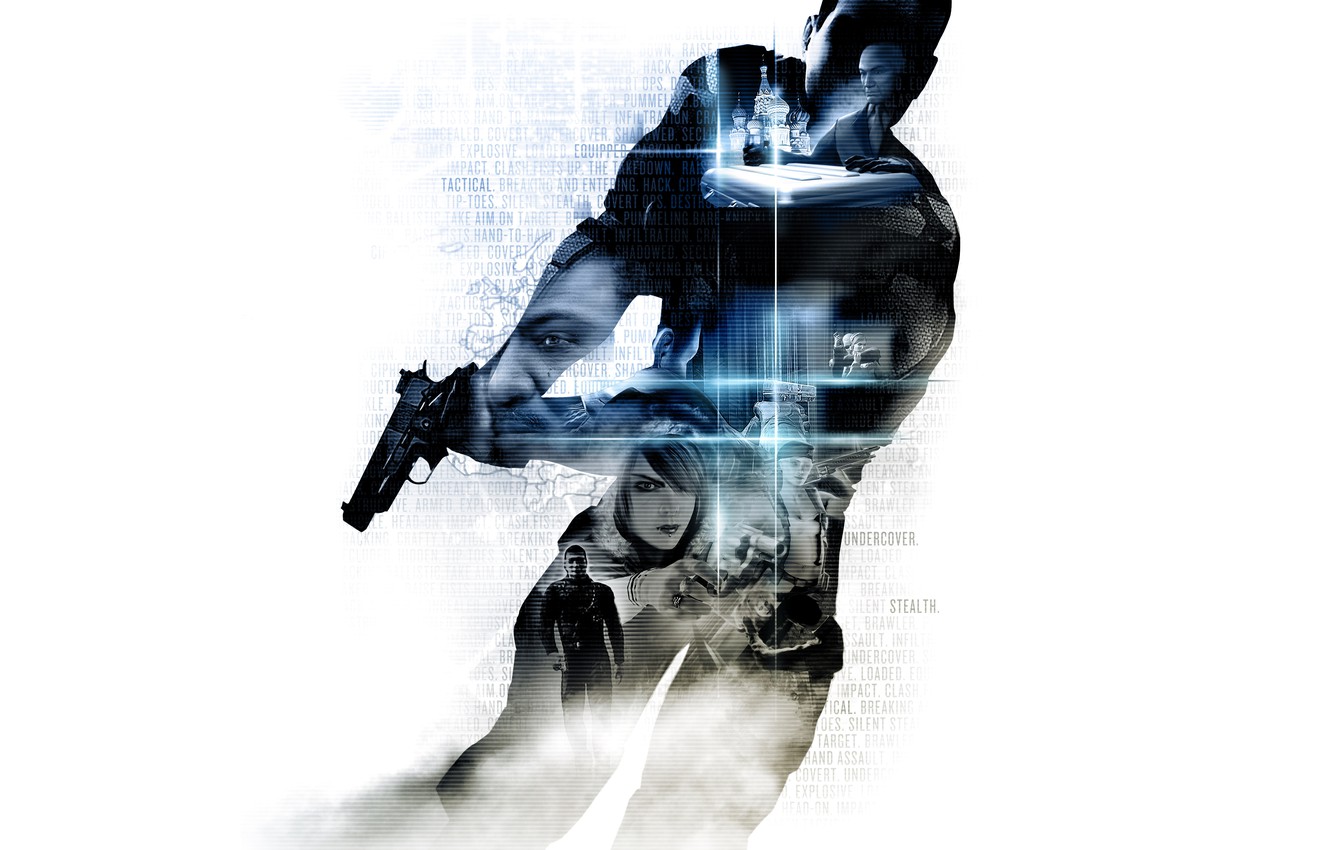
Obsidian Entertainment’s 2010 spy RPG was a wonderfully ambitious, if technically flawed, experiment in player agency. Despite its notorious jankiness and uneven combat, Alpha Protocol offered an unparalleled dialogue system where choices genuinely mattered, shaping relationships and narrative paths with remarkable depth. Its blend of espionage, branching storylines, and character development created a unique experience, a flawed gem whose innovative writing and reactivity deserved far more recognition.
from “Beyond the Hype: 10 Gaming Masterpieces That Deserved More Applause” →
Obsidian's Alpha Protocol (2010) was the spy RPG we deserved, even if it played like a budget title. Its dialogue system was revolutionary, truly shaping Michael Thorton's personality and relationships with each choice. Consequences for your actions, or inactions, actually reverberated throughout the entire narrative. Yeah, the gunplay was rough, but the storytelling and player agency were so potent, making it a truly unique, criminally underrated gem in a sea of generic shooters.
from “The Mainstream Missed Them, But We Didn't: 9 Gaming Cult Classics Ready for a Dramatic Comeback” →
Okay, so Alpha Protocol, right? This spy RPG was low-key janky when it dropped, like, the combat felt kinda dated even then. But yo, the narrative? The choices actually mattered, hard. You could literally change entire character arcs and missions based on how you talked to people. And the multiple endings? Pure replay value. It's a cult classic for a reason, always hitting different. Seriously, still a banger if you appreciate story over polish.
from “7 Games That Still Slap Way Harder Than They Should, No Cap” →
Become a spy. This RPG focuses on player choice. Your dialogue options matter. Your actions have consequences. It’s clunky, yes. But it's ambitious. The story branches wildly. It truly lets you role-play. It offers a unique espionage fantasy. It’s a flawed masterpiece. It's worth playing for its ambition.
from “Your New Reality: 11 Games Ready to Rewire Your Brain.” →