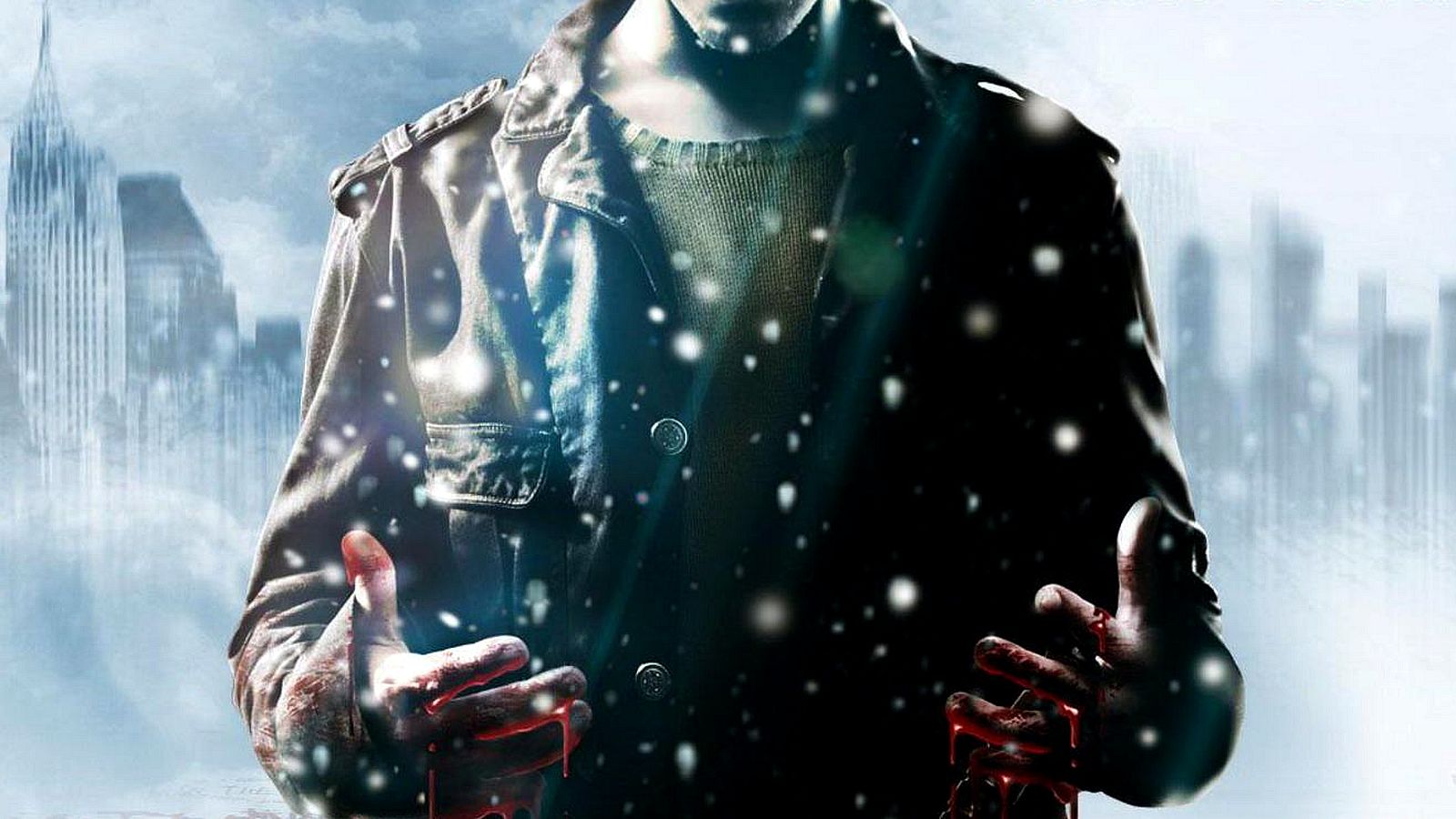
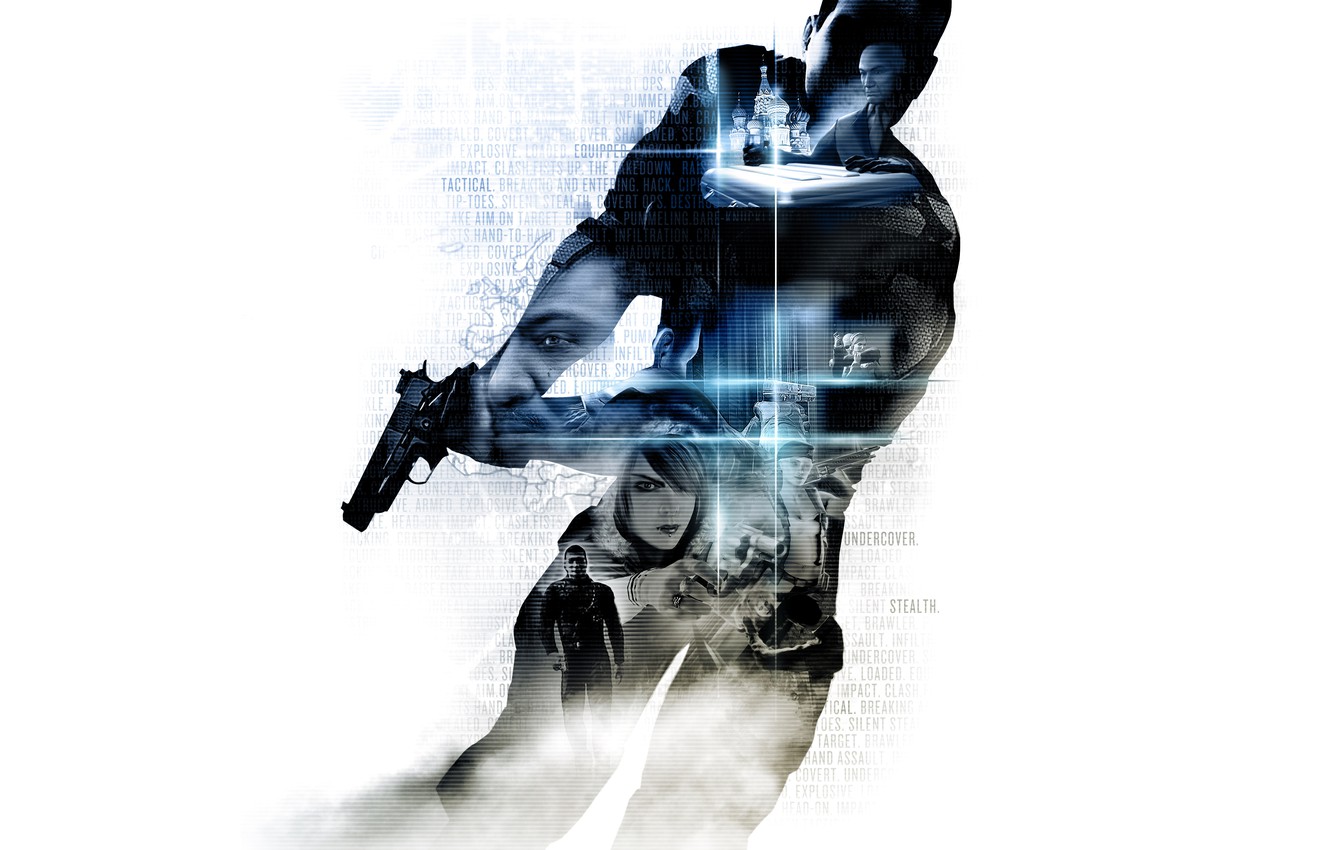
Quantic Dream's interactive drama pushed cinematic storytelling in games, presenting a supernatural murder mystery with multiple playable characters and branching narratives. Its emphasis on quick-time events, psychological tension, and unconventional gameplay choices, like managing mundane needs, sparked debate but undeniably influenced the burgeoning "interactive movie" genre, exploring player choice and narrative consequence.
from “10 Gaming Blueprints That Shaped Genres From the Shadows” →
Quantic Dream’s early attempt at interactive drama was a wild, ambitious ride. Sure, it devolved into pure insanity by the end and was a QTE festival, but it genuinely tried to push narrative boundaries. The industry often stifles such bold, imperfect experiments, preferring safer, more polished, but ultimately less memorable experiences.
from “11 Games That Got The Industry Shaft Way Before Your Rangers Stream Did” →
Okay, *Fahrenheit* (or *Indigo Prophecy* for the real ones) is a whole trip. It starts as this sick murder mystery with supernatural twists, and then it just goes absolutely off the rails in the best, most chaotic way possible. The Quick Time Events can be kinda janky, but the story? Sheesh, it's wild and unforgettable. It's got that early 2000s cinematic game vibe that's kinda cursed but also totally brilliant.
from “No Cap: These 6 Games Are Low-Key Banger Vibes For Real” →
Explore a chilling supernatural thriller from 2005. You play Lucas Kane, on the run after a mysterious murder. This game pioneered interactive storytelling, blending QTEs with branching choices. Its dark, urban fantasy premise and psychological depth pull you into a conspiracy. The narrative constantly shifts, challenging perceptions of good and evil. It’s an interactive movie with a gripping, if occasionally outlandish, plot.
from “The 11 Unseen Worlds You Need To Explore” →