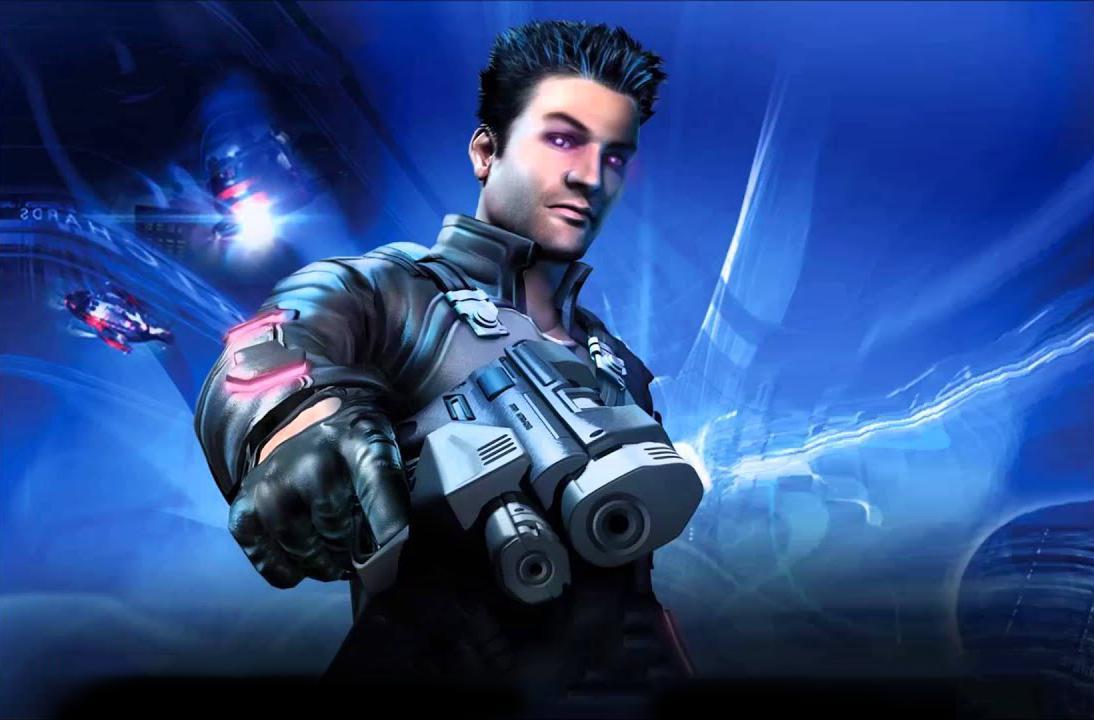
Invisible War, despite its divisive reception, was an ambitious attempt to iterate on a legendary immersive sim. It pushed for greater player freedom, allowing more paths through its levels and consequences for every action, even if technical limitations and design compromises sometimes hindered its execution. Its flawed but forward-thinking approach to choice and consequence, and its unified ammo system, sparked important discussions about sequel design and player expectation.
from “8 Unsung Game Histories That Changed Everything (You Probably Missed)” →
Deus Ex 2: Invisible War was a lightning rod, a sequel that dared to diverge from its legendary predecessor, alienating many while still trying to push boundaries. Its bold choices – universal ammo, smaller hubs, console concessions – were famously divisive. Yet, even with its mixed reception, it sparked endless debates about player agency and design evolution, cementing its place in gaming history as a fascinating, if flawed, experiment. It proves that even a controversial title can endure, not through hype, but by igniting passionate community discussion, for better or worse.
from “10 Games That Won The Main Event Without A Marketing Budget” →
Yo, no cap, this game gets clowned on, but it was low-key ahead of its time. The choice and consequence hits different, letting you roll with multiple factions and paths. It's got that classic Deus Ex vibe, even if the maps felt a bit smaller. For real, the cyberpunk world-building still slaps, and it tries some wild stuff with player agency. It’s an OG for a reason, definitely worth a replay.
from “No Cap, These 11 Underrated Games Will Blow Your Mind!” →
This sequel tried big things. It compressed its world, but kept the deep choice and consequence. You navigate a fractured future, making decisions that ripple through global factions. Universal ammo was divisive. Yet, its dense cyberpunk atmosphere and freedom of approach still shine. It lets you be stealthy, aggressive, or a master hacker. It’s a fascinating, if imperfect, vision of player-driven narrative. Its world-building remains incredibly compelling, despite the criticisms.
from “Beyond 'Us Three': 10 Hidden Worlds Waiting to Be Explored!” →