#1
Replaced
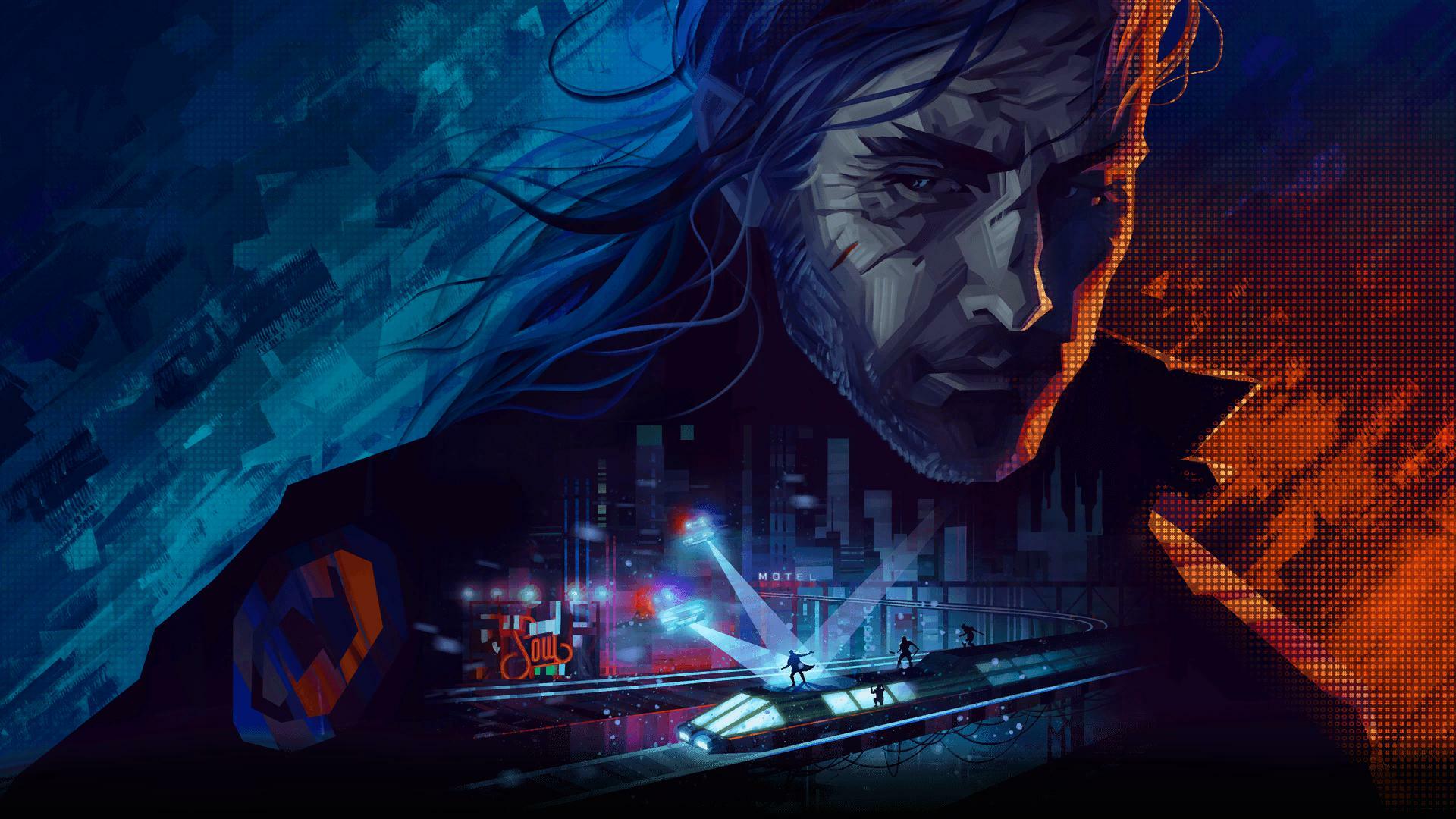
Replaced launched this past April, locking in its position as a high-fidelity 2.5D action platformer. You pilot R.E.A.C.H., an AI constrained by the physical liabilities of an organic human body in an alternative 1980s dystopia. The core loop demands disciplined inputs during close-quarters combat sequences to manage biological output limits. Every visual asset delivers massive pixel-density returns. It respects your screen time by treating traversal and combat encounters as tight, low-friction transactions with immediate mechanical feedback.
#2
Sanabi
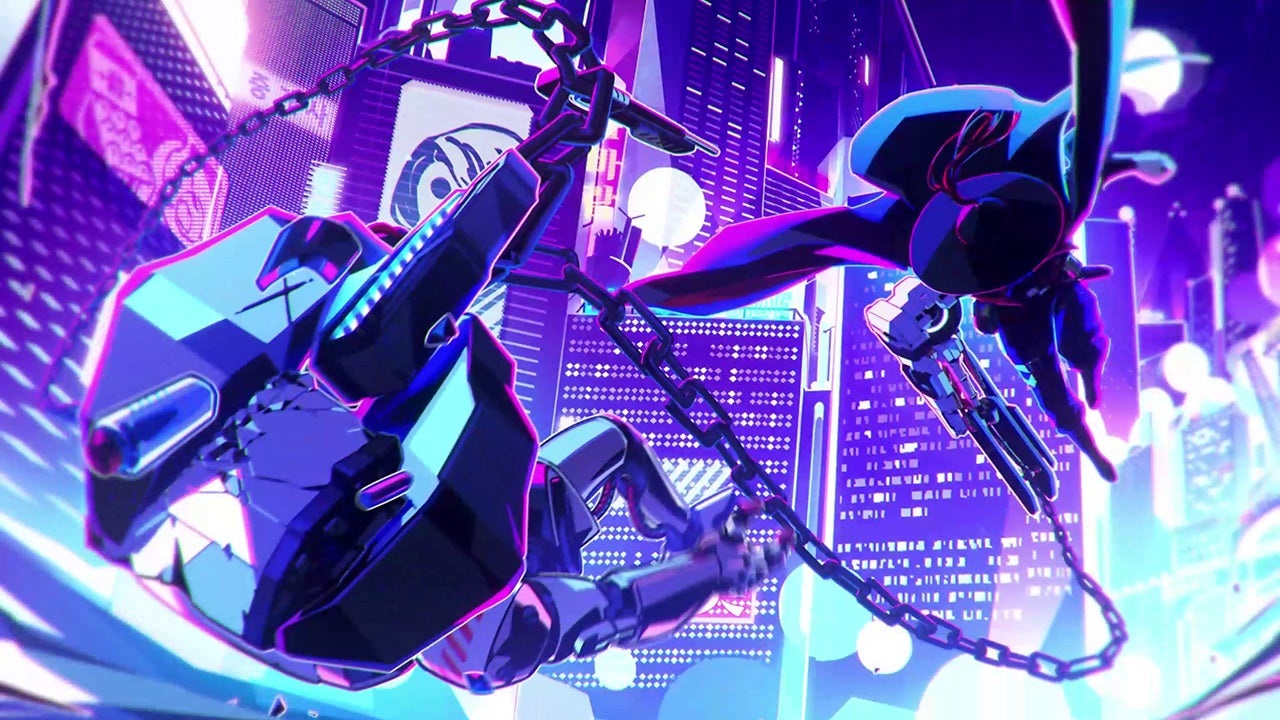
Sanabi delivers an elite return on execution speed. The prosthetic chain-hook mechanic creates a frictionless momentum market where hesitation tanks your run immediately. You spend mechanical capital strictly on angular trajectories and grapple cancels. The platforming physics punish micro-stalls, forcing you to treat every vector as an investment in terminal velocity. Its narrative sequences add friction to the pacing, but the high-velocity bosses yield top-tier dividends for players who optimize their inputs and refuse to bleed kinetic energy.
#3
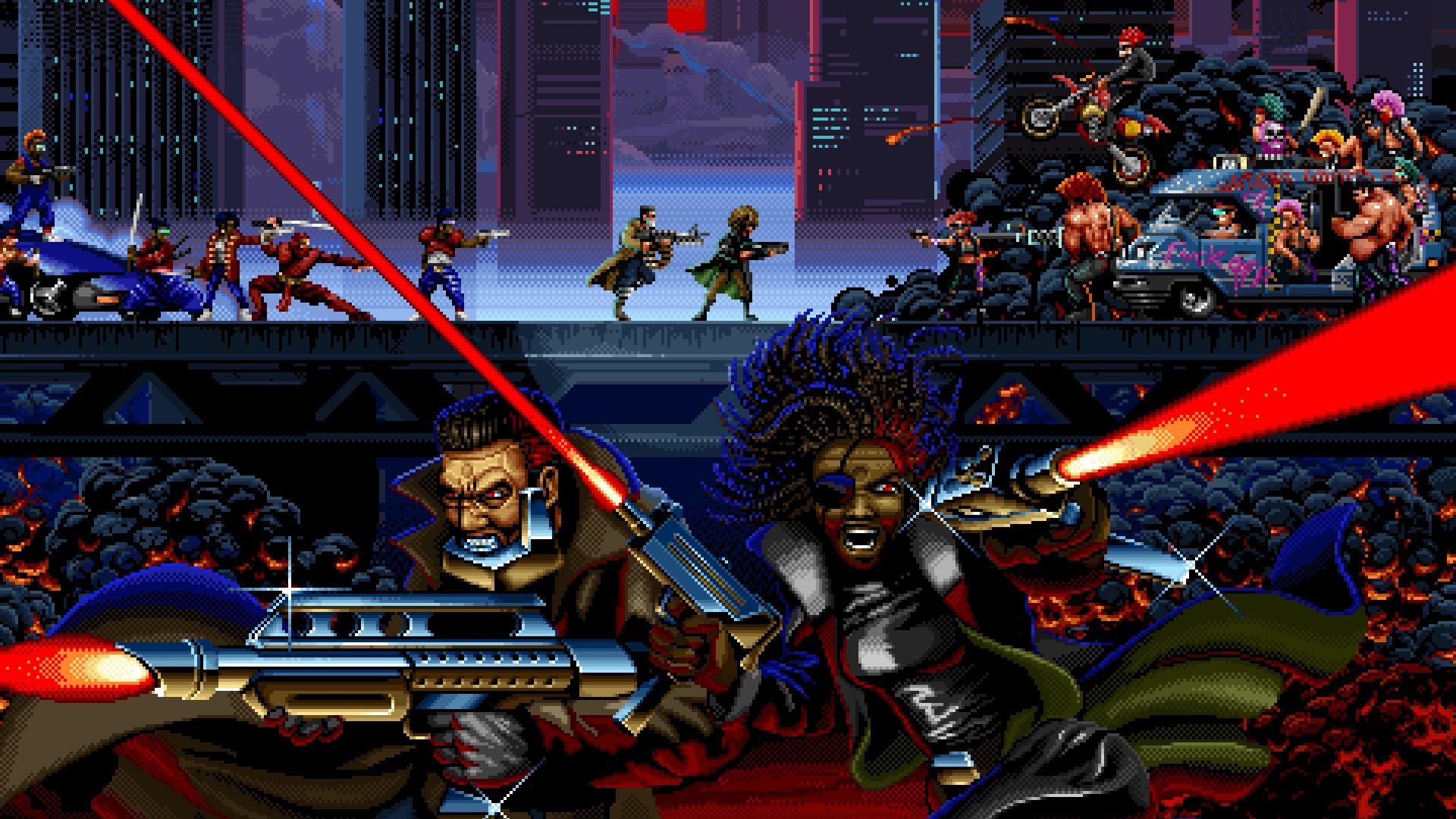
HUNTDOWN
Huntdown operates like a ruthless balance sheet for run-and-gun combat. Released in 2020, this side-scroller strips away random loot drops in favor of fixed weapon economics and brutal cover trading. You execute bounties across gangs by managing micro-second invulnerability frames and projectile spreads. Ducking behind low cover is an arbitrage strategy against enemy bullet spreads. The input buffer is instantaneous, making death a direct consequence of user error rather than mechanical RNG. It yields maximum dopamine per clearing phase.
#4
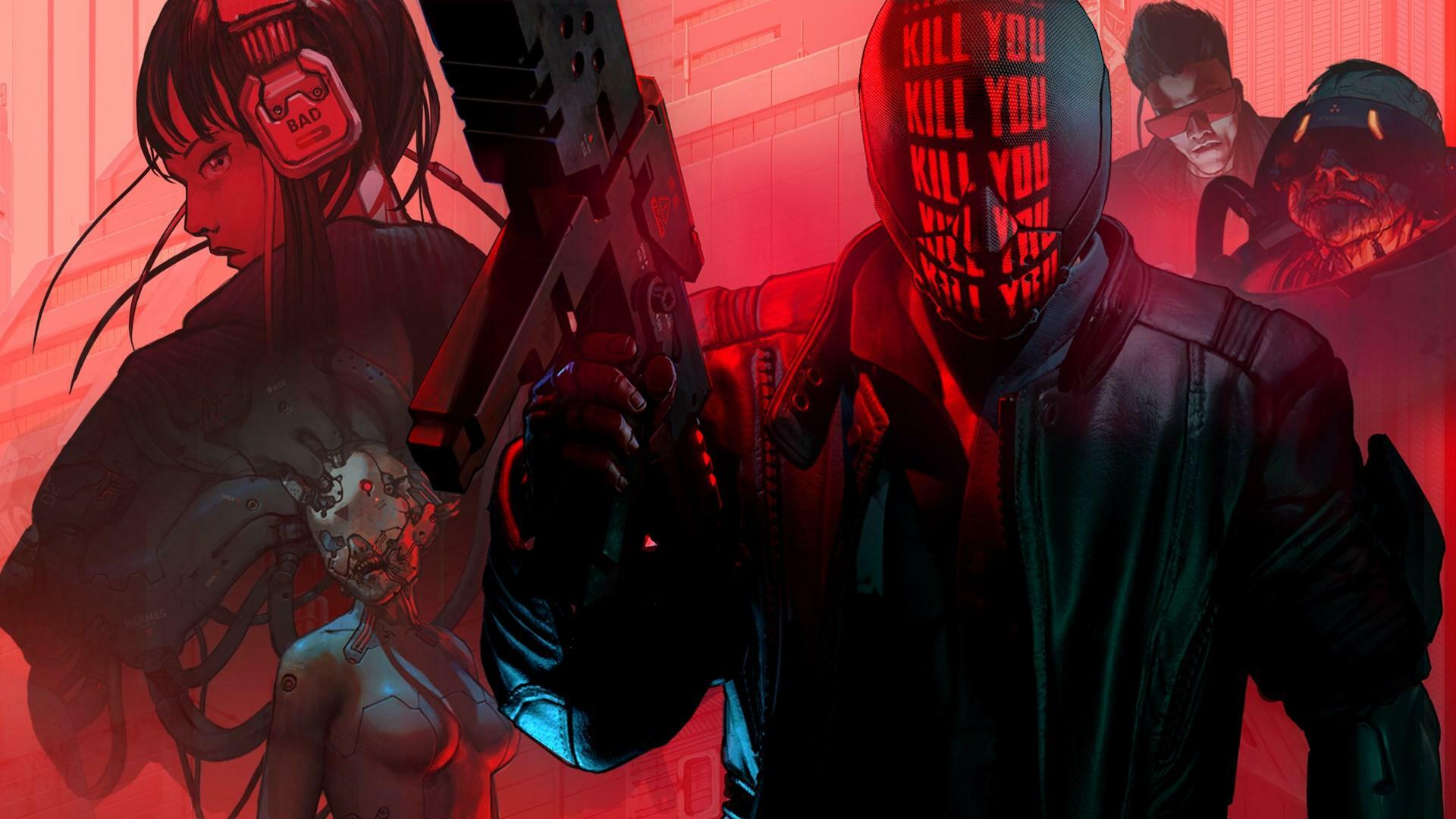
Ruiner
Ruiner establishes a high-tempo kill economy where stamina management dictates survival. This 2017 top-down slasher forces you to constantly cycle through dashed positioning, melee stuns, and discarded firearms. The best feature is the frictionless zero-cost skill respec, letting you reallocate upgrades between encounters based on the prevailing threat profile. If an enemy shield wall stalls your DPS, you swap into kinetic dash-stuns instantly. It is aggressive portfolio management applied to industrial cyberpunk murder, rewarding ruthless adaptability over sentimentality.
#5
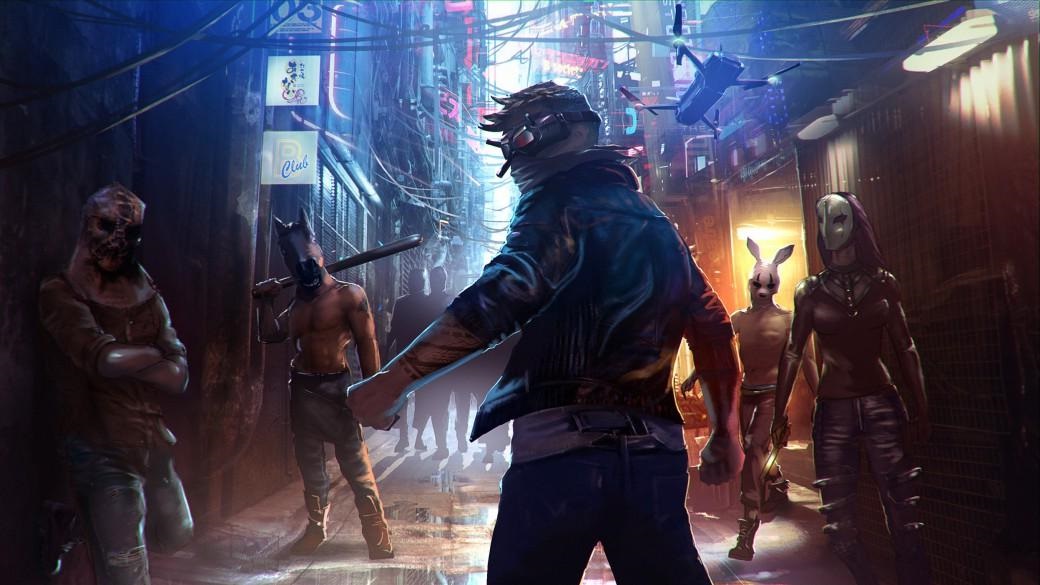
Midnight Fight Express
Midnight Fight Express operates as pure throughput optimization for close-quarters brawling. Released in 2022, its micro-levels function like rapid trading floors where combo multipliers dictate your market cap. You route rooms by calculating the exact DPS of dropped pipes, environmental throws, and counter-strikes. Wasted movements ruin your S-rank margins. The animation frames link up cleanly, letting skilled operators convert chaotic enemy clusters into streamlined liquidation runs. Time-to-kill is the only metric that matters here, and the game values your time.
#6
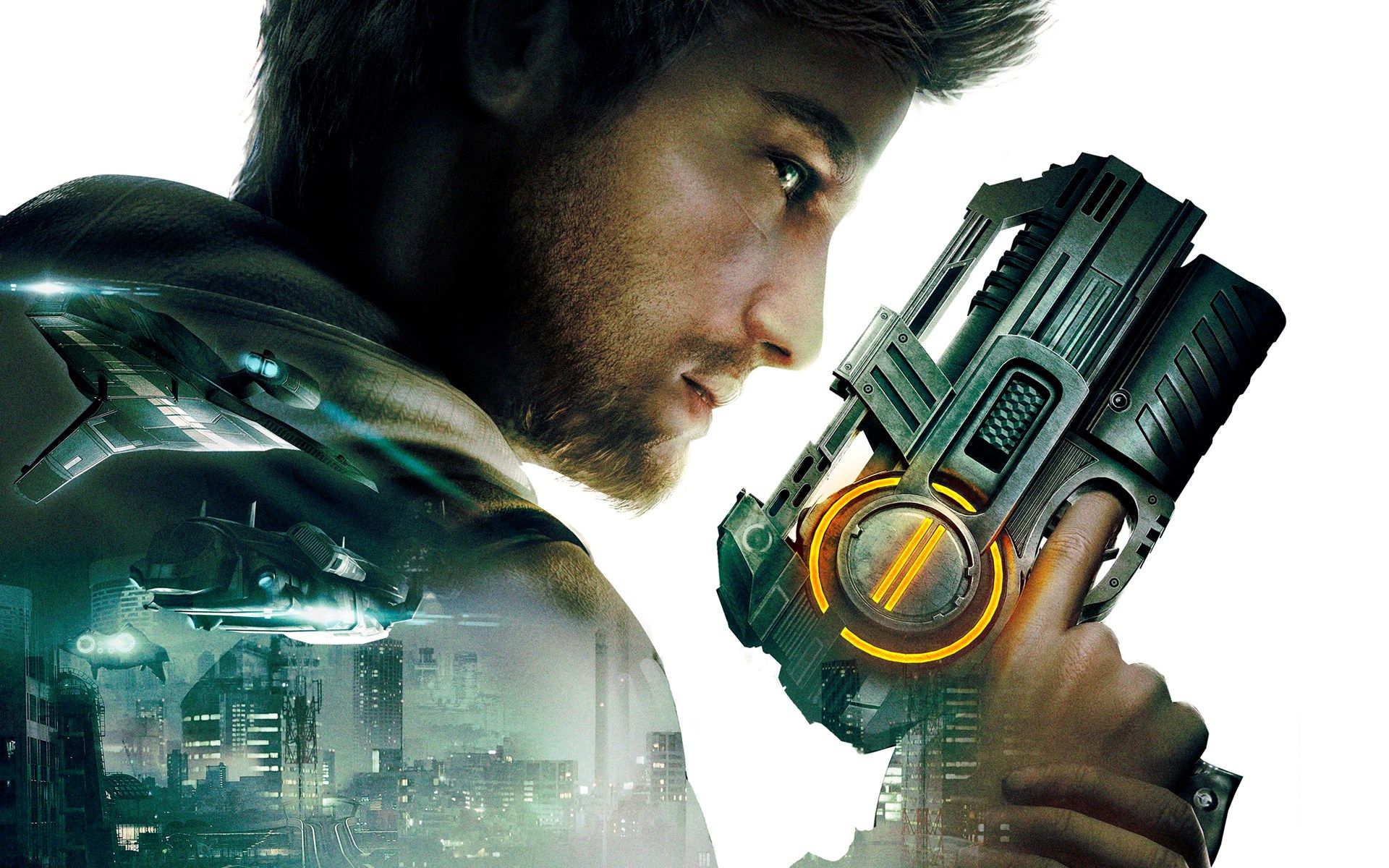
Flashback
The 1992 edition of Flashback represents precision asset control before inputs became hyper-accelerated. Its rotoscoped platforming treats every ledge grab and holstered sidearm draw as a non-negotiable contract. You cannot hedge against poor spacing; misjudging a three-tile drop terminates your run with zero compensation. Navigating Titan requires deliberate pathing, strict bullet counting, and total inventory awareness. It demands high upfront patience, but the mechanical discipline it enforces delivers an enduring benchmark for structural, frame-perfect cinematic platforming.
#7

Another World
Another World created the prototype market for cinematic action back in 1991. The vector-based encounters demand complete memorization of environmental triggers and projectile cadences. You run on zero mechanical safety margins: one alien slug hit or misplaced forcefield will liquidate your position instantly. The gun economy consists of three options—peashooter, shield, and charged blast—forcing you to allocate energy reserves under brutal time constraints. It is an unyielding, high-risk operational loop that respects absolute execution over modern handholding.
#8
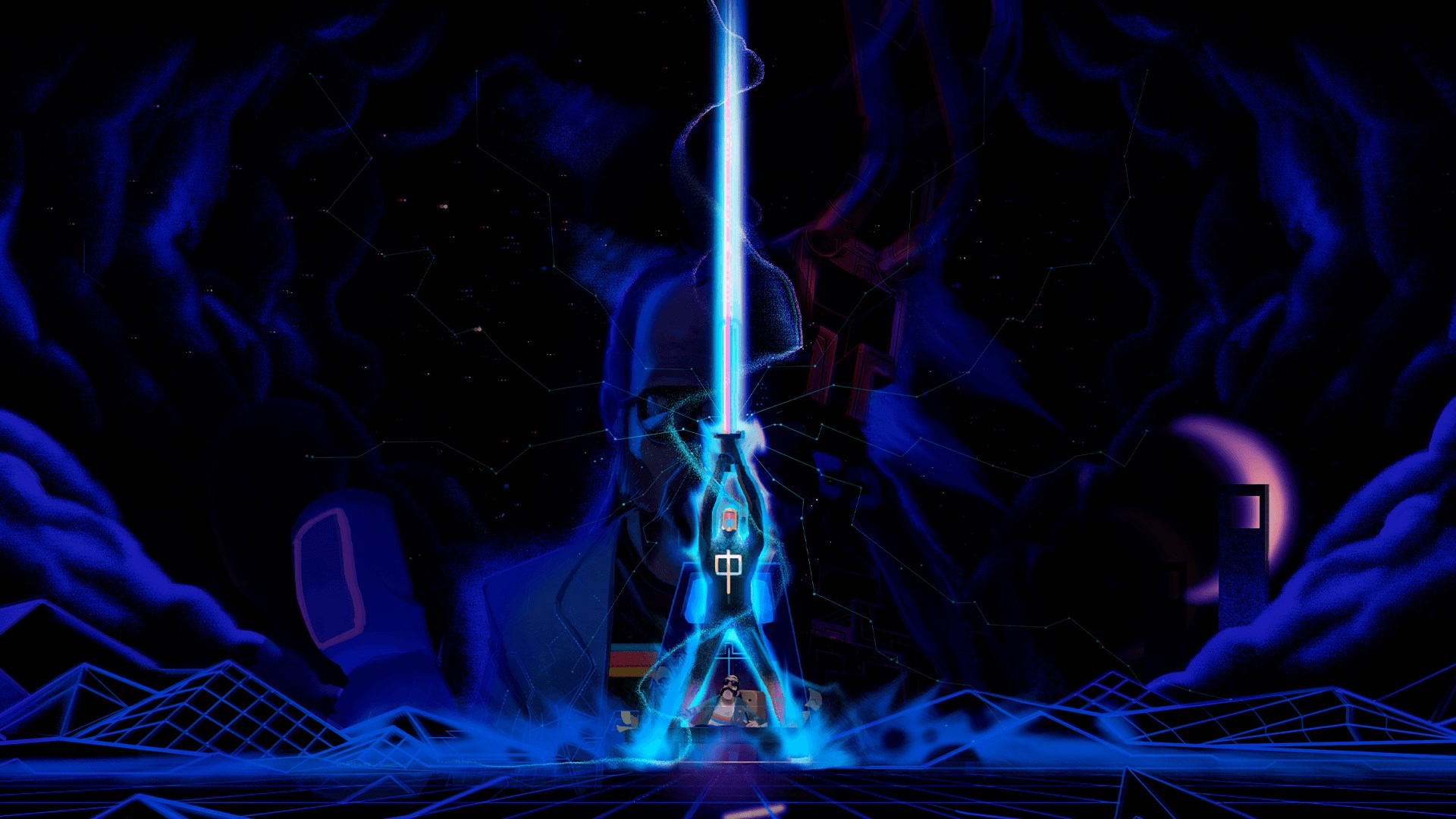
Narita Boy
Narita Boy packages 1980s retro aesthetics into a punchy 2021 side-scrolling format. Combat yields solid dividends once you integrate the Techno-Sword’s dodge-thrust and upward slash into your baseline rotation. Some platforming sequences carry unnecessary movement latency, dampening your overall efficiency across certain sectors. Still, the visual production delivers outstanding sensory ROI on every frame. When the combat encounters demand tight dodge windows and shotgun blast counters, the game successfully converts retro nostalgia into immediate, high-impact tactical payouts.
#9
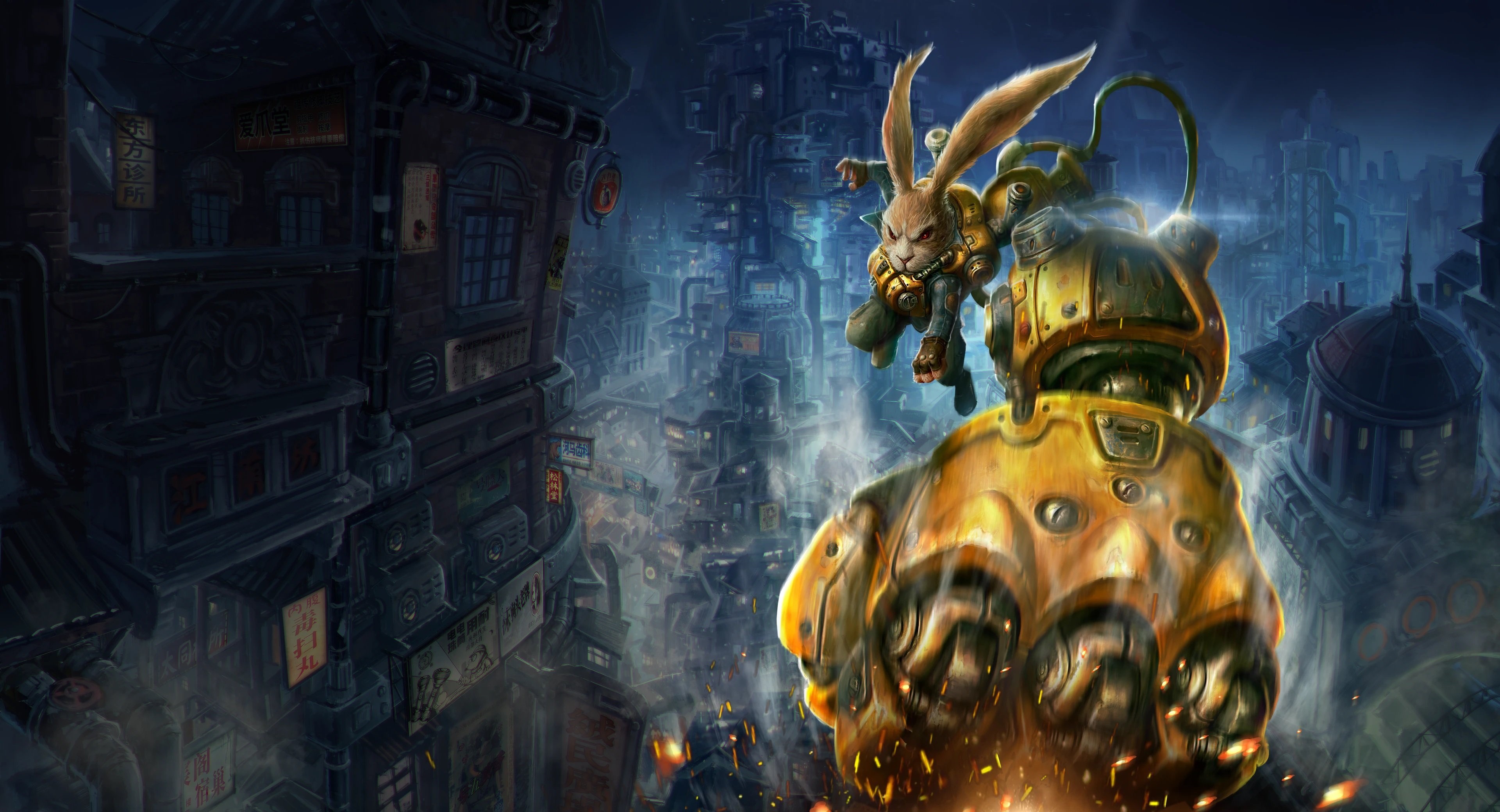
F.I.S.T.: Forged In Shadow Torch
F.I.S.T. applies dieselpunk metroidvania mechanics with rigorous combo accounting. Released in 2021, the game lets you swap across the Fist, Drill, and Whip mid-string, generating massive juggling dividends against armored enemies. Navigating Torch City requires map literacy to optimize traversal lines and reduce idle downtime between upgrades. Wall-bounces and SP-meter management form the core currency of high-tier play. It rewards players who treat weapon switching as an active options matrix rather than sticking to one comfortable setup.
0 / 9