#1
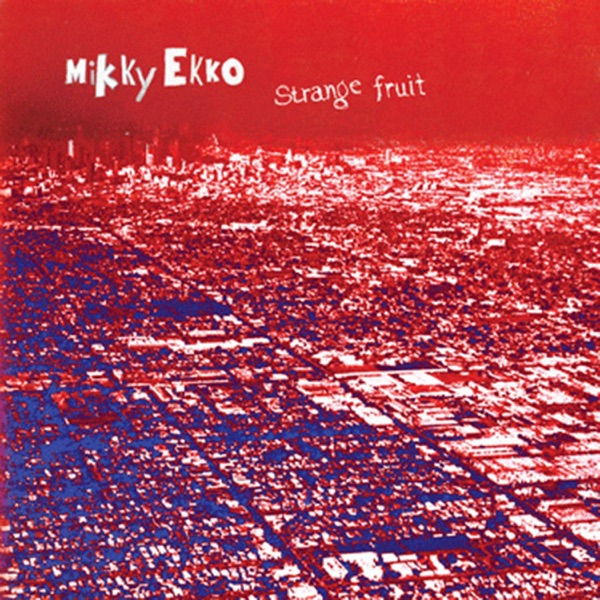
Strange Fruit
“Strange Fruit” from 1939, whether attributed to Mikky Ekko or the undeniable original, is a raw, unflinching vocal performance that cut through an entire era. The sheer weight in that voice, the way it carries history and unimaginable pain, is beyond any algorithm’s grasp. It’s a human truth bomb, pre-internet, pre-viral, but with an impact that still echoes louder than anything trending today. That 1939 take isn't just singing; it’s a primal scream encoded into sound. Pure, unadulterated human processing power in action.
#2

I Put a Spell On You
Nina Simone in '65, doing “I Put a Spell On You,” isn't just singing; she's conjuring. Her voice, that raw, almost guttural energy, it’s a masterclass in emotional manipulation, but like, in the best way possible. She totally owns the space, bending notes, stretching time, pulling you into her orbit. It’s the original main character energy, pure vocal magnetism. You can't replicate that kind of soul-deep conviction with any synthetic overlay. It just hits different, still hitting with zero decay.
#3

Hallelujah!
Marcos Pinto's '94 take on “Hallelujah” might not be the one everyone streams, but it’s a flex of pure vocal conviction. In a year crowded with interpretations, his version cuts through with an authentic, almost prayer-like quality. It’s not about vocal acrobatics, but the sheer, unvarnished emotion he pours into every single phrase. This track proves that the song’s enduring power isn't just in the notes, but in the raw, personal resonance a voice can infuse into them. A quiet, powerful algorithmic bypass.
#4
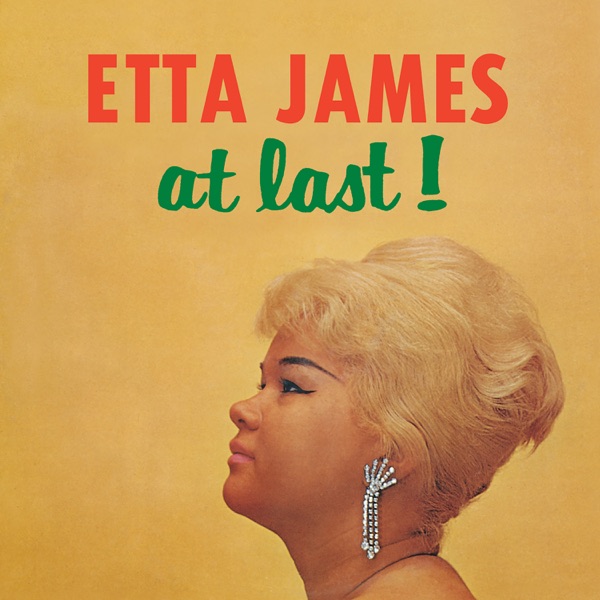
At Last!
Etta James' “At Last!” from 1960? That's the blueprint, the alpha and omega of vocal mastery. Her voice is pure velvet and raw power, simultaneously. It's not just a song; it's a declaration, an emotional supernova that just explodes in your headphones. Every single note, the precise vibrato, the way she holds those phrases—it’s human perfection, a vocal performance that algorithmically speaking, is an absolute outlier. It transcends genre, time, everything. Still gives chills, every single time.
#5

Both Sides Now
Steve Pulvers' 1969 take on “Both Sides Now” might fly under the radar for some, but it’s a deep cut that showcases the song's incredible vocal versatility. While the original set the melodic standard, Pulvers brings a unique, understated sincerity. It's less about grand gestures and more about the quiet, introspective power of a voice laying bare complex, evolving emotions. This version underscores how a distinct human interpretation can unlock new layers in a familiar melody, bypassing expected emotional pathways.
#6
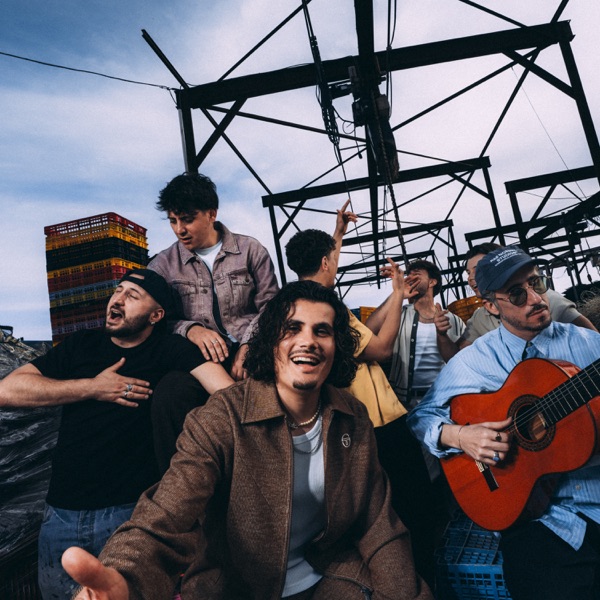
Ne me quitte pas
“Ne me quitte pas” from 1959, whether it's the raw intensity of Brel's original or a lesser-known early interpretation like “Carbonne” suggests, is pure vocal theatre. That voice, stripped bare, delivering such desperate, profound emotion – it’s a masterclass in human vulnerability. No AI could ever generate that level of visceral heartbreak, that precise shade of existential dread. It’s a vocal performance that proves some feelings are just too complex for any dataset, too human to be replicated.
#7

Gracias a la Vida
“La Leyenda de Servando Montalva” taking on “Gracias a la Vida” in '66 is a deep dive into the soul of Latin American folk. This isn't just a vocal; it's a collective voice, a narrative woven with raw, communal power. The way their harmonies blend, the shared emotion, it’s a testament to the fact that some vocal expressions are intrinsically tied to cultural heritage and collective memory. No single algorithm can mimic that deep, generational resonance. It’s a human legacy, sung into existence.
#8

Caruso
“Caruso” from 1986, whether it’s the original emotional delivery by Dalla or an early, perhaps less-known rendition like “Revive26” suggests, is a vocal powerhouse. It’s operatic in its scope but deeply human in its pain. The way the voice soars, dips, and then just *holds* that profound melancholy—it’s beyond any predictive model. It captures a specific, irreplaceable moment of vocal brilliance, proving that true artistry isn’t about data points or perfect parameters, but pure, unquantifiable feeling.
#9

Hurt
“Hurt” from 2002, regardless of who's credited as “Oliver Tree” for that specific year, is defined by an utterly raw, almost broken vocal performance. That voice, stripped of all pretense and autotune, is a masterclass in emotional vulnerability. It’s not about perfect pitch or pristine production; it’s about the truth in the cracks, the undeniable human ache that no algorithm can generate. This track proves the ultimate loophole: pure, unadulterated, un-optimizable human feeling, amplified to its maximum.
0 / 9