
1 / 9
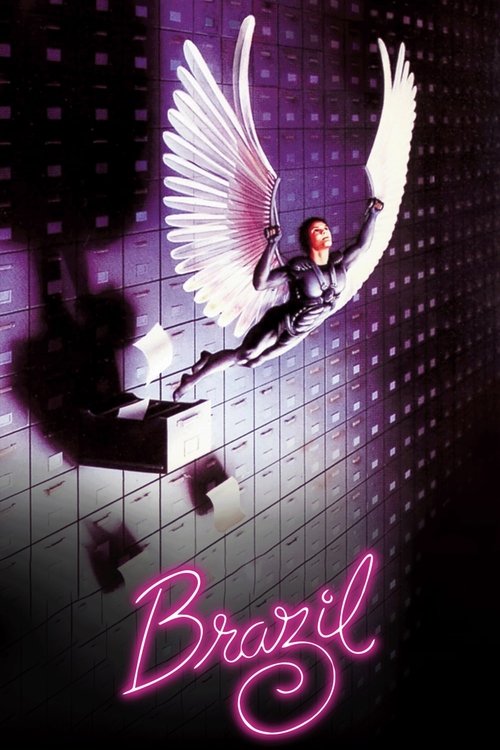
1. Brazil
Terry Gilliam’s 1985 magnum opus, *Brazil*, remains a towering achievement in satirical dystopia. It crafts a nightmarish, darkly comedic vision of bureaucratic overreach and individual powerlessness, where Sam Lowry's quest for identity unravels. Its ornate, anachronistic aesthetic, a hallmark of Gilliam's auteurial vision, perfectly underscores the film's unsettling blend of fantasy and grim reality. This profound cinematic journey, reflecting Thatcher/Reagan-era anxieties, is both disturbing and endlessly fascinating.
2 / 9

2. Possession
Andrzej Żuławski’s 1981 *Possession* is a relentless, visceral exploration of marital dissolution and Cold War paranoia, manifesting as grotesque body horror. Isabelle Adjani's tour-de-force performance as Anna is legendary, a raw nerve laid bare. This film rejects conventional narrative, plunging the viewer into a surreal, allegorical abyss where love, hate, and madness intertwine. It's a profoundly unsettling experience, demanding much from its audience, yet offering an unparalleled journey into the human psyche's darkest corners.
3 / 9
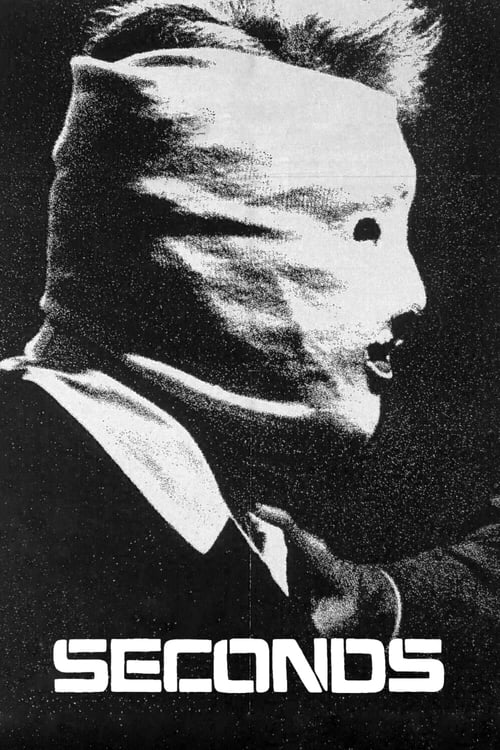
3. Seconds
John Frankenheimer's 1966 *Seconds* is a chilling, existential sci-fi thriller examining the ultimate cost of escaping one's identity. Rock Hudson, in a career-defining turn, plays a man offered a new life, only to find the new self just as entrapping. Its stark, high-contrast cinematography and disorienting camera work amplify a pervasive sense of unease. This film reflects mid-century anxieties about conformity, consumerism, and the illusion of choice, leaving an indelible mark with its tragic, thought-provoking commentary on personal freedom.
4 / 9

4. A Woman Under the Influence
John Cassavetes' 1974 *A Woman Under the Influence* is a raw, unflinching portrait of a marriage under immense strain, anchored by Gena Rowlands' monumental performance as Mabel. Cassavetes’ cinéma vérité style captures the chaotic intimacy of family life and the tragic unraveling of a woman struggling with societal expectations and mental health. It’s a profoundly empathetic, yet brutally honest, reflection on love, madness, and the devastating impact of misunderstanding, cementing its place as an indelible work of American auteur cinema.
5 / 9

5. Wake in Fright
Ted Kotcheff's 1971 *Wake in Fright* is a searing, visceral descent into the heart of Australian darkness. A schoolteacher's journey into a remote outback town devolves into a nightmarish ordeal of toxic masculinity, excessive drinking, and brutal kangaroo hunting. This film, long lost and gloriously restored, is a profound, unsettling reflection on the thin veneer of civilization, the primal urges lurking beneath, and the alienating power of an unforgiving landscape. It's a truly harrowing, unforgettable cinematic experience.
6 / 9

6. Valerie and Her Week of Wonders
Jaromil Jireš’ 1970 *Valerie and Her Week of Wonders* is a surreal, dreamlike journey into the tumultuous awakening of a young girl’s sexuality. A quintessential work of the Czech New Wave, it weaves a sensual, folkloric narrative rich with symbolism, blurring the lines between innocence, desire, and nightmare. This film eschews conventional plot for a poetic, almost trance-like experience, offering a uniquely unsettling, yet beautiful, exploration of adolescence. Its ethereal beauty and psychological depth continue to mesmerize and provoke.
7 / 9
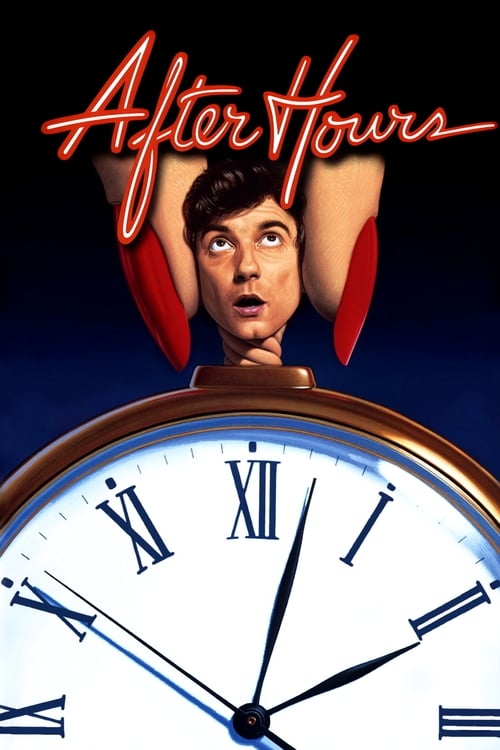
7. After Hours
Martin Scorsese’s 1985 *After Hours* is a masterful, darkly comedic plunge into a Kafkaesque nightmare of urban paranoia. Paul Hackett’s seemingly innocuous attempt to connect with a woman spirals into an escalating series of absurd, terrifying misadventures through a surreal, nocturnal SoHo. Scorsese brilliantly channels the anxieties of young professionals lost in the labyrinthine anonymity of New York City. This film is a relentless, claustrophobic odyssey, a perfectly orchestrated descent into madness that's both hilarious and profoundly unsettling.
8 / 9
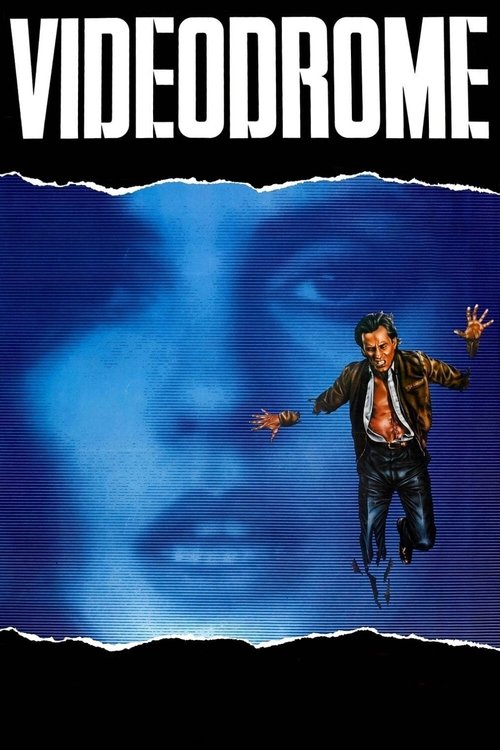
8. Videodrome
David Cronenberg’s 1983 *Videodrome* is a seminal work of body horror and a prescient critique of media consumption. Max Renn's search for extreme content leads him into a hallucinatory world where television literally remakes reality and the human body. Cronenberg’s concept of 'the new flesh' explores the symbiotic, often grotesque, relationship between technology, consciousness, and physical transformation. It’s a profoundly disturbing, intellectually challenging film that anticipated the blurring of digital and organic, remaining terrifyingly relevant today.
9 / 9
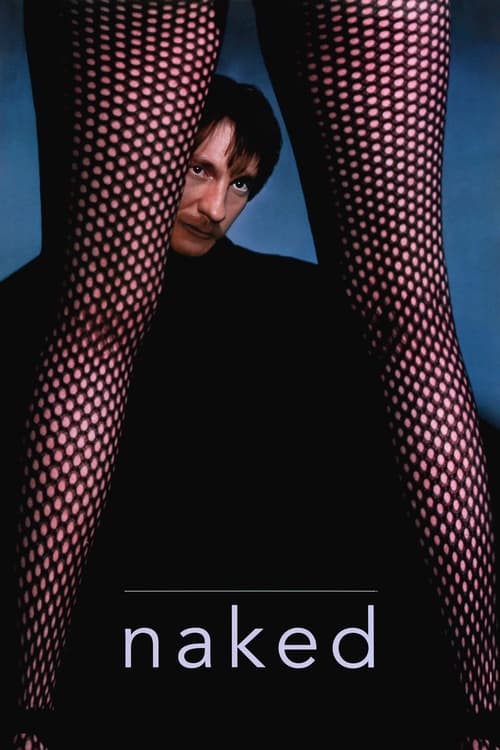
9. Naked
Mike Leigh’s 1993 *Naked* is a lacerating, unflinching portrait of urban alienation and intellectual despair, centered on David Thewlis’ unforgettable performance as Johnny. This film follows his nihilistic, misanthropic wanderings through a bleak, nocturnal London, engaging strangers in brutal, often philosophical, diatribes. Leigh’s signature realism captures a raw, confrontational energy, exposing the anxieties and cruelties simmering beneath society’s surface. It’s a profoundly unsettling, yet compelling, journey into a damaged psyche, leaving a lingering sense of discomfort and introspection.